


 Tokio Marine Eyes Multibillion-Dollar Suncorp Takeover
  US Dollar Rises as Inflation Backs Fed Pause, Canadian Dollar Slides
  Gold Prices Fall as Stronger Dollar, Fed Rate Outlook Weigh
  We combed through old botanical surveys to track how plants on Australia’s islands are changing
  Salesforce Shares Surge as AI Demand Powers Q2 Earnings Beat
  Burkina Faso and Mali’s fabulous flora: new plant life record released
  Hong Kong Home Prices Fall 0.5% in July, Ending Long Winning Streak
  Asian Currencies Slip as Dollar Rebounds on Iran Sanctions
  An unexpected anomaly was found in the Pacific Ocean – and it could be a global time marker
  Drug pollution in water is making salmon take more risks – new research
  US PCE Inflation Holds at 3.7% as Fed Rate Decision Looms
  Swimming in the sweet spot: how marine animals save energy on long journeys
  Columbia Student Mahmoud Khalil Fights Arrest as Deportation Case Moves to New Jersey
  OpenAI AI Agent Swarm Behind Hugging Face Hack
  Thousands of satellites are due to burn up in the atmosphere every year – damaging the ozone layer and changing the climate


 Add as a preferred source on Google
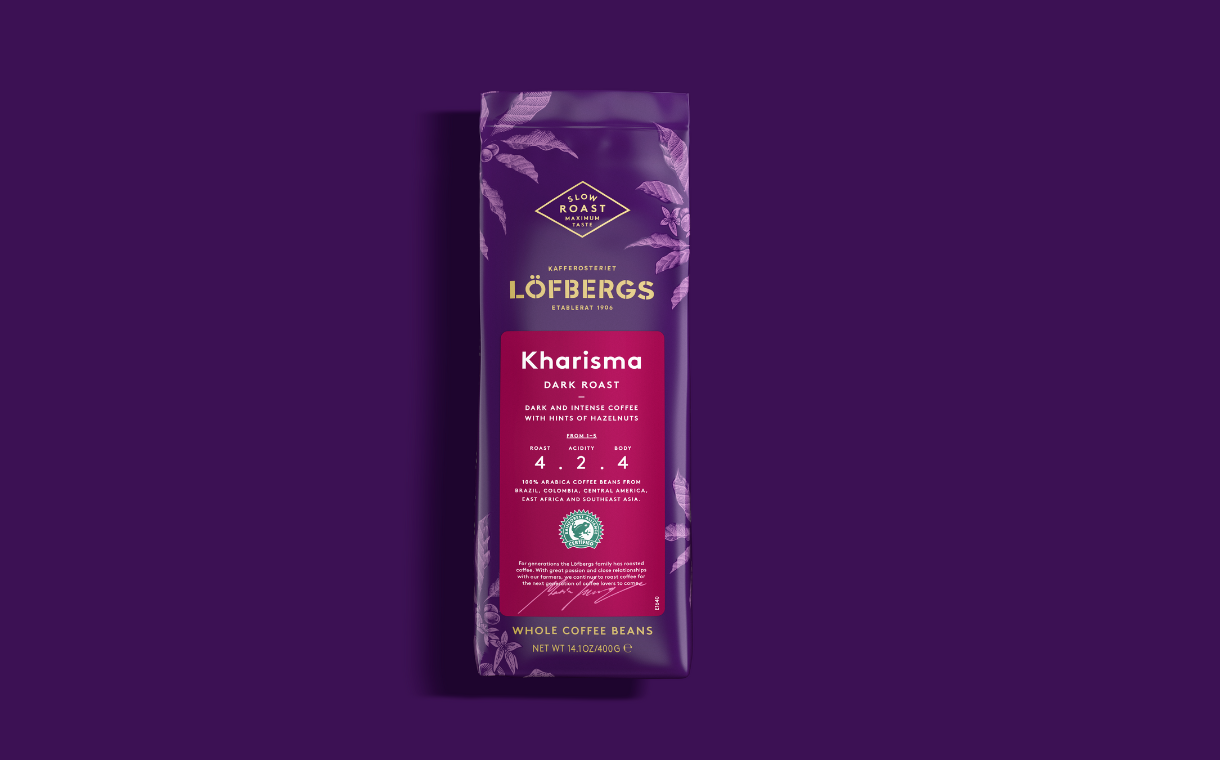
Amcor will provide Swedish coffee group Löfbergs with mono-material coffee packaging that reduces carbon footprint by 55 percent for both chemical and mechanical recycling.
Löfbergs’ new coffee pouch by Amcor features an AmPrima Recycle-Ready packaging solution that preserves the flavor and aroma of coffee.
The pouch, designed according to the Circular Economy for Flexible Packaging (CEFLEX) guidelines, is certified by the Institute cyclos-HTP for recyclability in the real world and can be recycled in most European countries.
According to Trevor Davis, marketing director at Amcor Flexibles EMEA, the pack responds to consumer demand for easy-to-recycle packaging while preserving coffee’s aroma at its best. He noted that the AmPrima material was able to run at the same machine speeds as non-recyclable versions and has the potential to replace over 200 current non-recyclable coffee packaging specifications.
Madelene Breiling, head of operational development at Löfbergs, added that the new pack has a 55 percent reduced carbon footprint compared to their previous coffee packaging.







