


 Australian Scandium Project Backed by Richard Friedland Poised to Support U.S. Critical Minerals Stockpile
  Baidu Approves $5 Billion Share Buyback and Plans First-Ever Dividend in 2026
  Nintendo Shares Slide After Earnings Miss Raises Switch 2 Margin Concerns
  Nvidia CEO Jensen Huang Says AI Investment Boom Is Just Beginning as NVDA Shares Surge
  CK Hutchison Launches Arbitration After Panama Court Revokes Canal Port Licences
  Amazon Stock Rebounds After Earnings as $200B Capex Plan Sparks AI Spending Debate
  Tencent Shares Slide After WeChat Restricts YuanBao AI Promotional Links
  Uber Ordered to Pay $8.5 Million in Bellwether Sexual Assault Lawsuit
  SoftBank Shares Slide After Arm Earnings Miss Fuels Tech Stock Sell-Off
  Ford and Geely Explore Strategic Manufacturing Partnership in Europe
  Nvidia, ByteDance, and the U.S.-China AI Chip Standoff Over H200 Exports
  Instagram Outage Disrupts Thousands of U.S. Users
  Rio Tinto Shares Hit Record High After Ending Glencore Merger Talks
  Anthropic Eyes $350 Billion Valuation as AI Funding and Share Sale Accelerate
  Toyota’s Surprise CEO Change Signals Strategic Shift Amid Global Auto Turmoil
  SpaceX Pushes for Early Stock Index Inclusion Ahead of Potential Record-Breaking IPO
  Alphabet’s Massive AI Spending Surge Signals Confidence in Google’s Growth Engine


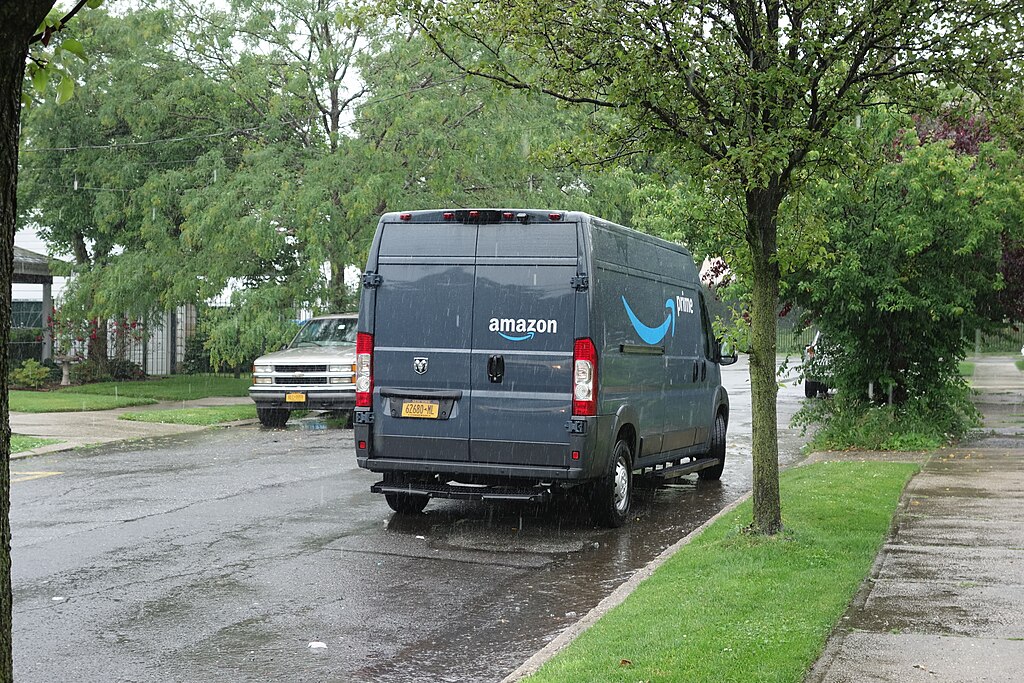
E-commerce giant Amazon.com (NASDAQ:AMZN) has announced its decision to exit operations in the Canadian province of Quebec, leading to the loss of approximately 1,700 full-time jobs, alongside 250 seasonal positions. The move follows a review of its operations and comes just months after Amazon's Quebec warehouse workers unionized under the Canadian labor union Confédération des syndicats nationaux (CSN).
Amazon plans to phase out operations across its seven Quebec facilities over the next two months, reverting to a third-party delivery model. This change mirrors the company's pre-2020 strategy, relying on local small businesses for delivery services.
Amazon's Justification
Amazon spokesperson Barbara Agrait stated the shift aims to enhance savings for customers. "Following a recent review of our Quebec operations, we've seen that returning to a third-party delivery model ... will allow us to provide even more savings to our customers," Agrait said.
Union Reaction and Government Pushback
The decision has drawn sharp criticism from both union leaders and government officials. The CSN, representing 300 unionized workers at Amazon’s Montreal-area site, accused the company of engaging in anti-union practices.
CSN President Caroline Senneville called the closures a targeted attack, stating, "There is no doubt that the closings announced today are part of an anti-union campaign against CSN and Amazon employees." The union has vowed to challenge the move under the Quebec Labour Code.
Federal Innovation Minister Francois-Philippe Champagne expressed the government's frustration, emphasizing that such actions are not aligned with Canadian business practices. Champagne confirmed he had communicated Ottawa’s dismay to the head of Amazon Canada.
Compensation for Affected Workers
Amazon has promised to provide severance packages, including up to 14 weeks' pay and job placement resources, to assist affected employees during the transition.
This development highlights the ongoing challenges surrounding labor relations in the e-commerce sector and raises questions about corporate responsibility in handling unionized labor forces.













