


 Uber Ordered to Pay $8.5 Million in Bellwether Sexual Assault Lawsuit
  Toyota’s Surprise CEO Change Signals Strategic Shift Amid Global Auto Turmoil
  South Africa Eyes ECB Repo Lines as Inflation Eases and Rate Cuts Loom
  Thousands of satellites are due to burn up in the atmosphere every year – damaging the ozone layer and changing the climate
  South Korea Assures U.S. on Trade Deal Commitments Amid Tariff Concerns
  Gold Prices Slide Below $5,000 as Strong Dollar and Central Bank Outlook Weigh on Metals
  Washington Post Publisher Will Lewis Steps Down After Layoffs
  U.S.-India Trade Framework Signals Major Shift in Tariffs, Energy, and Supply Chains
  We combed through old botanical surveys to track how plants on Australia’s islands are changing
  How ongoing deforestation is rooted in colonialism and its management practices
  Trump Signs Executive Order Threatening 25% Tariffs on Countries Trading With Iran
  What’s so special about Ukraine’s minerals? A geologist explains
  Wildfires ignite infection risks, by weakening the body’s immune defences and spreading bugs in smoke
  Ford and Geely Explore Strategic Manufacturing Partnership in Europe
  OpenAI Expands Enterprise AI Strategy With Major Hiring Push Ahead of New Business Offering
  Lake beds are rich environmental records — studying them reveals much about a place’s history
  As the Black Summer megafires neared, people rallied to save wildlife and domestic animals. But it came at a real cost


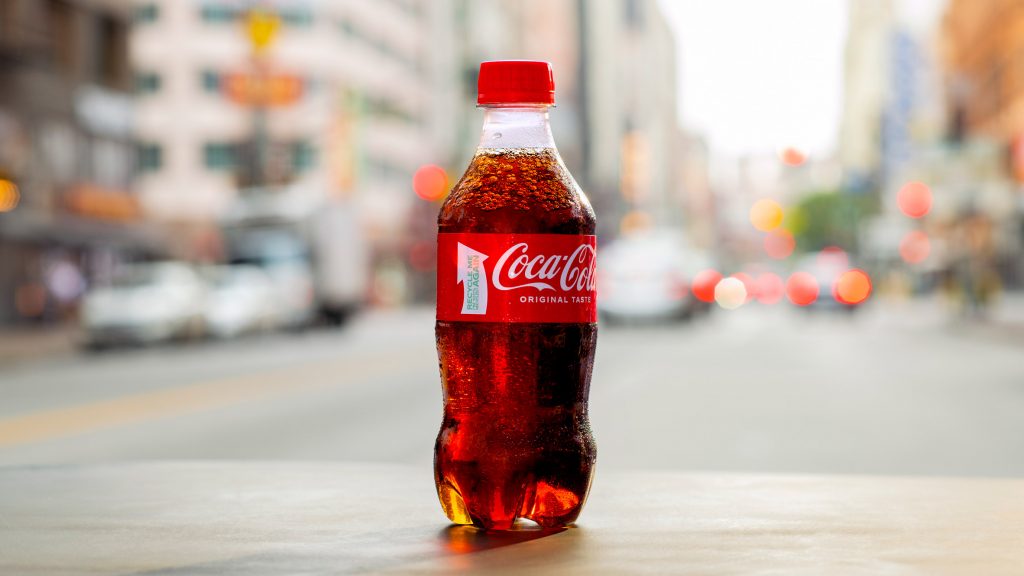
A joint venture between Mexico-City-based Coca-Cola FEMSA and Alpla, a global producer of sustainable packaging solutions, is investing $60 million in a new recycling plant known as Planta Nueva Ecología de Tabasco (PLANETA).
According to Alpla, the facility can process 50,000 metric tons of post-consumer polyethylene terephthalate (PET) bottles per year, resulting in 35,000 metric tons of recycled PET materials ready for reuse.
Alpla expects PLANETA to generate 20,000 direct and indirect jobs, helping promote development and employment in southeast Mexico.
The facility will integrate 18 collection centers throughout south and southeast Mexico.
Alpla CEO Philipp Lehner says that with strong partners like Coca-Cola FEMSA, they could set up the necessary infrastructure and close the bottle cycle in as many regions as possible.
The new plant for food-grade PET is Alpla’s third recycling plant in Mexico.
Alpla plans to continue to invest more than $56 million every year between 2021 and 2025 to expand the company’s global recycling capacity.
Coca-Cola Co.'s World without Waste initiative aims to make all of its packaging 100 percent recyclable by 2025, integrate 50 percent recycled PET resin into bottles, and collect 100 percent of that packaging by 2030.
Since 2005, Alpla Mexico, Coca-Cola Mexico, and Coca-Cola FEMSA have partnered to run Industria Mexicana de Reciclaje (IMER), a food-grade PET recycling plant with a production capacity of 15,000 metric tons of flakes from post-consumer PET scrap per year. The plant has processed over 140,000 metric tons of this material to date.













