


 Qantas Near-Miss Raises Sydney Air Traffic Controller Fatigue Concerns
  SEC Seeks ISS Client Voting Records in Proxy Adviser Probe
  Tesla Cybercab Rides Launch in Austin as NHTSA Reviews Rollout
  South Korea Unveils Record $597 Billion 2027 Budget to Boost AI and Chips
  Thomson Reuters C-Track Cyberattack Hits Courts Across U.S. and Canada
  UK Markets Face Rising Volatility as Hedge Funds Target Pound and Gilts
  SoftBank Eyes Up to $25B OpenAI Investment Amid AI Boom
  Investors value green labels — but not always for the right reasons
  Volkswagen Approves 50,000 More Job Cuts in Major Restructuring
  GSM Eyes US, Europe Expansion Ahead of 2028 Hong Kong IPO
  Do investment tax breaks work? A new study finds the evidence is ‘mixed at best’
  MongoDB Stock Sinks 14% as Atlas Growth Misses Expectations
  Insignia Financial Shares Hit 3-Year High Amid Bain and CC Capital Bidding War
  Wall Street Rebounds as Investors Eye Tariff Uncertainty, Jobs Report
  Deutsche Telekom Shares Rise as Elliott Pushes Against T-Mobile Merger
  Xiaomi Shares Jump on Europe EV Expansion Plan
  OpenAI Launches GPT-6 Astra With Advanced AI Agent Capabilities


 Add as a preferred source on Google
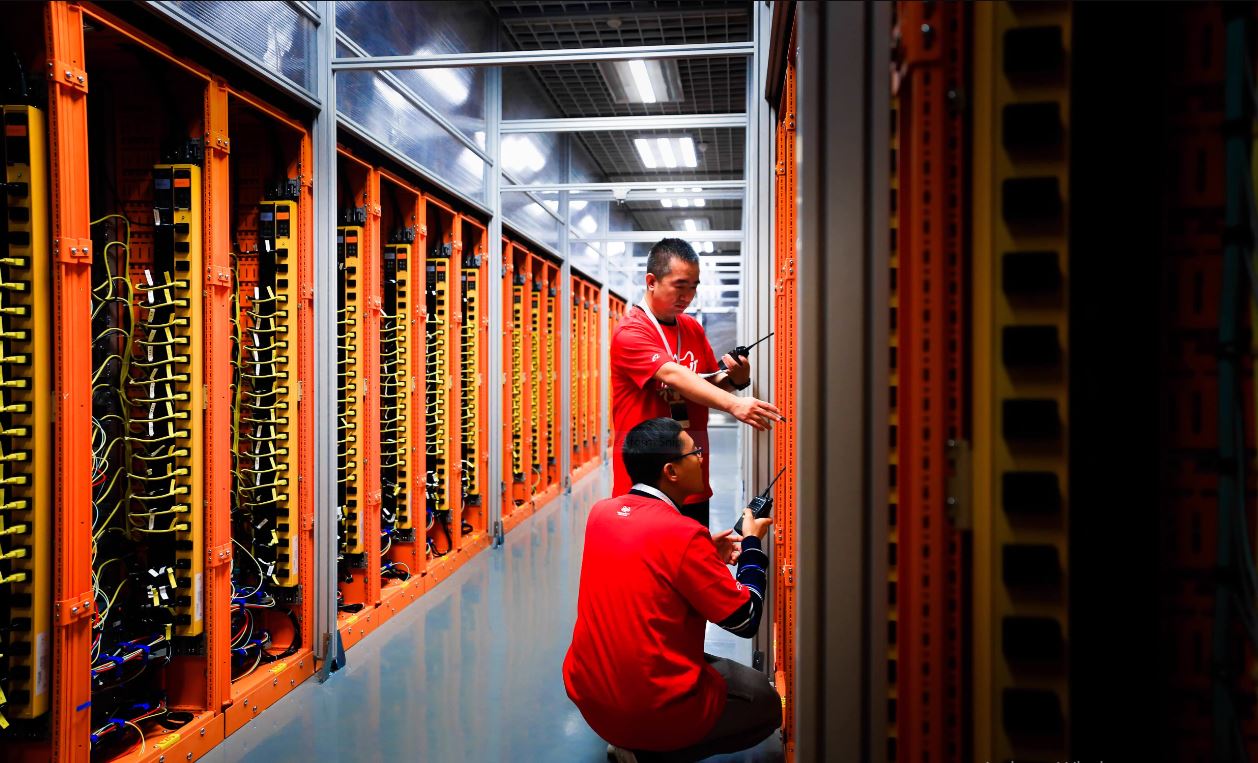
Alibaba has abandoned plans to spin off its cloud computing division, citing recent tightening of US controls on chip exports to China as a major factor. This development introduces uncertainties regarding the prospects of the Cloud Intelligence Group,
According to Reuters, Alibaba stated that the recent US restrictions may have a material and adverse impact on the ability of the Cloud Intelligence Group to operate effectively. This development directly affects the division's profitability and raises concerns about maintaining its technological capabilities.
As a result of this announcement, Alibaba's US-listed shares plummeted nearly 10%, Bloomberg reported.
Escalating Chip War Forces Alibaba to Rethink Cloud Spin-off Plans
In light of these challenges, Alibaba aims to focus on developing a sustainable growth model for the Cloud Intelligence Group in uncertain conditions.
Alibaba's historic overhaul, initially intended to create six separate units overseen by the company, has been thwarted by the escalating chip war between the United States and China. The ongoing feud has revolved around China's access to advanced semiconductors and the essential materials and equipment required for their production.
This standoff has significant implications for a wide range of industries, from smartphones and medical equipment to electric vehicles.
US-China Relations Take Positive Turn Following Key Talks
This decision comes on the heels of crucial talks between Chinese President Xi Jinping and US President Joe Biden that appeared to establish a more stable foundation for the often tumultuous relationship between the world's top two economies. Chinese business leaders, including the heads of Apple and Tesla, were present at the meeting.
President Xi emphasized the importance of avoiding a zero-sum game and instead proposed building bridges and fostering people-to-people exchanges between the two countries.
Amidst global circumstances, China is grappling with a considerable decline in foreign investment. Additionally, the country is facing a deepening property crisis and weak consumer spending. These challenges further compound the complexities faced by Alibaba and other companies operating within the Chinese market.
Photo: Alibaba Cloud Media Kit








