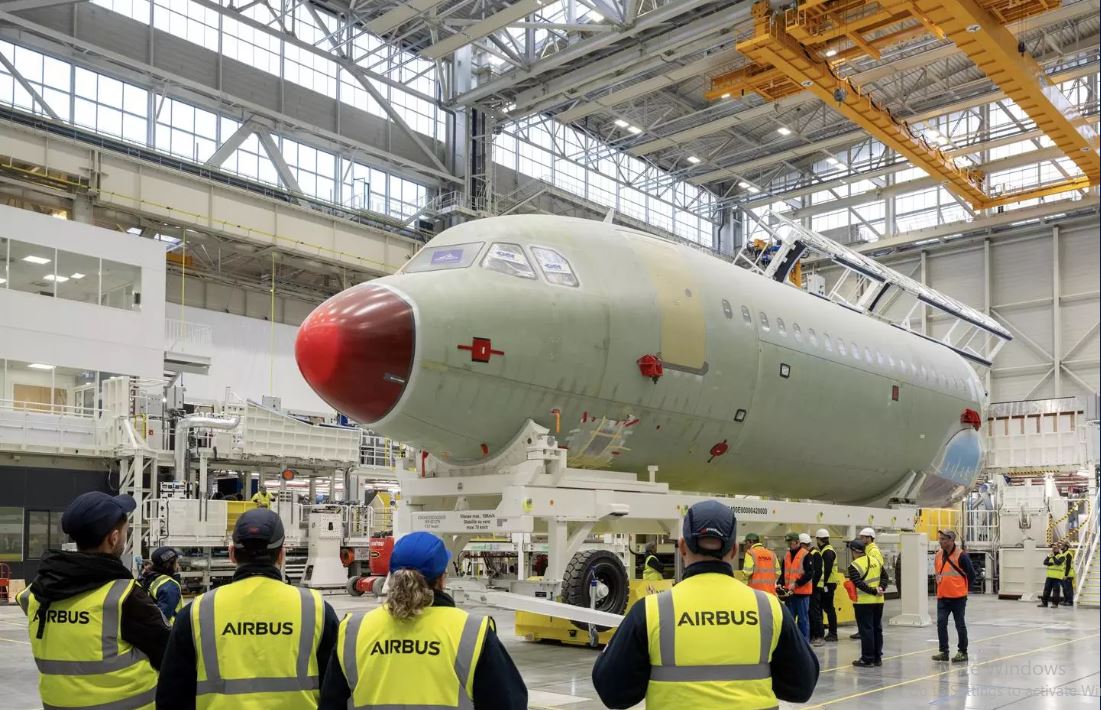
In a robust post-pandemic rebound, Airbus and Boeing reported increased commercial aircraft deliveries and revenue for the first half of 2023, despite production and supply chain challenges. As released on Wednesday, Airbus boasted a 24% increase in revenue and net profit of €1.06 billion ($1.17 billion) in Q2, while Boeing, albeit hit by a $149 million loss, saw an 18% revenue increase.
During the quarter, Boeing's revenue increased by 18 percent to $19.8 billion, while Airbus posted a 24 percent increase to $17.6 billion. Regarding commercial plane deliveries, Boeing achieved a 12 percent increase to 136 in the second quarter. Airbus also saw a 6.4 percent increase to 316 deliveries.
Although airlines have announced significant new orders following the COVID-19 lockdowns, Airbus and Boeing have faced challenges boosting production. The global air travel disruptions caused by the pandemic led to output reductions and staff cuts for companies and suppliers. The process of ramping up production has proven to be slow and difficult.
Boeing's commercial plane program has experienced various manufacturing and quality control issues in recent years, which have impacted deliveries for its best-selling jets, the 737 and 787 Dreamliner, resulting in losses for the company.
Boeing CEO Dave Calhoun acknowledged the supply chain difficulties but mentioned that the situation is "settling down." He discussed the planned ramp-up for their best-selling jets and reviewed major contracts with carriers in India, Saudi Arabia, and other regions.
Calhoun identified the supply chain issues as the company's "most significant" challenge but expressed optimism that improvements are being made. Boeing also unveiled new production targets for the 787 Dreamliner.
Similarly, Airbus emphasized the critical importance of ramping production and acknowledged ongoing supply chain difficulties. Airbus CEO Guillaume Faury mentioned the volatility in their supply chain and operations, leading them to no longer provide interim targets.
Airbus confirmed plans to manufacture 75 of its best-selling single-aisle A320 family aircraft per month by 2026 and deliver around 720 commercial aircraft this year.
Faury stated that demand for Airbus' commercial aircraft remains strong, citing 800 orders announced at the Paris Air Show. During the year's first half, net orders reached 1,044, more than four times the amount from the same period in 2022.
Photo: Airbus Newsroom