


 Cathay Pacific Holds Firm on Flight Capacity Amid Middle East Conflict and Rising Fuel Costs
  KPMG UK Cuts 440 Audit Jobs Amid Low Attrition and Cooling Professional Services Demand
  Russell 1000 Companies Hit $2.2T Cash Record While Aggressively Reinvesting in Growth
  Federal Judge Blocks Pentagon's Blacklisting of AI Company Anthropic
  McDonald's and Restaurant Brands International Face Headwinds Amid Iran Conflict and Rising Costs
  Microsoft Eyes $7B Texas Energy Deal to Power AI Data Centers
  Chinese Universities with PLA Ties Found Purchasing Restricted U.S. AI Chips Through Super Micro Servers
  BlackRock CEO Larry Fink Earns $37.7 Million in 2025 Amid Record Growth
  Brazil Meat Exports Weather Iran War Disruptions With Rerouted Shipments
  Apple Turns 50: From Garage Startup to AI Crossroads
  Star Entertainment Secures $390M Refinancing Deal to Stabilize Operations
  Nike Beats Q3 Estimates but China Weakness and Margin Pressure Weigh on Outlook
  Novartis to Acquire Biotech Firm Excellergy in $2 Billion Deal
  Bank of America's $72.5M Epstein Settlement: What You Need to Know
  Annie Altman Amends Sexual Abuse Lawsuit Against OpenAI CEO Sam Altman
  Nomura Upgrades PDD Holdings to Buy, Calls Stock Too Cheap to Ignore
  Brown-Forman and Pernod Ricard in Merger Talks to Create World's Largest Spirits Giant


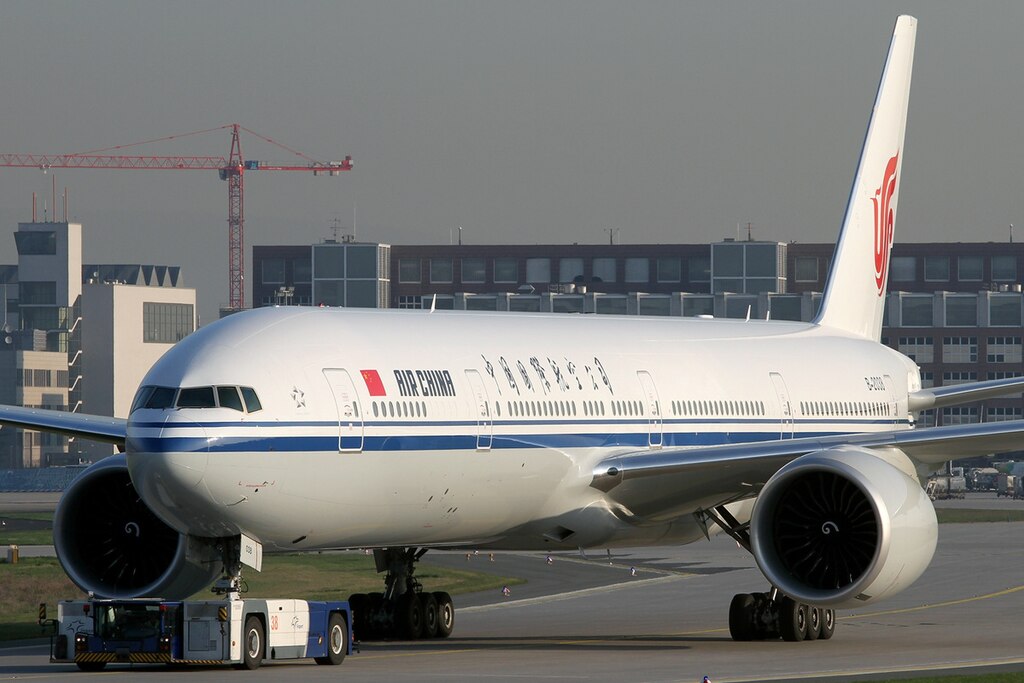
Air China, China’s flagship airline, has announced a major aircraft purchase agreement with Airbus, confirming an order for 60 A320neo jets in a deal valued at approximately $9.5 billion based on list prices. The agreement, disclosed in a filing to the Shanghai Stock Exchange, involves both Air China and one of its subsidiaries and marks another significant boost for Airbus in the world’s second-largest aviation market.
According to the filing, deliveries of the A320neo aircraft are scheduled to take place in phases between 2028 and 2032. Airbus welcomed the decision, stating it was pleased that Air China had chosen to expand its fleet with additional A320-family aircraft, which are widely known for their fuel efficiency and suitability for short- and medium-haul routes.
The Air China order is part of a broader wave of Airbus purchases announced this week by Chinese carriers, including Spring Airlines and Juneyao Airlines. These deals underscore Airbus’s growing dominance in China at a time when geopolitical tensions continue to shape global aircraft procurement strategies.
Industry analysts point out that the purchase stems from a framework agreement signed in 2022 between China Aviation Supplies Holding Company (CASC) and Airbus. That earlier deal covered 132 A320-family aircraft and eight A350 widebody jets, with a combined value of around $17 billion. Li Hanming, a U.S.-based independent aviation analyst, noted that while the framework agreement set the foundation, negotiations for individual airline contracts often take considerable time to finalize.
The latest announcement also highlights the shifting competitive landscape in China’s aviation sector. Ongoing tensions between Beijing and Washington have made it difficult for Boeing to secure new aircraft orders from Chinese airlines, giving Airbus a clear advantage in one of the most strategically important markets for global aviation growth.
With air travel demand in China continuing to recover and expand, the Air China Airbus deal signals strong confidence in future passenger growth and reinforces Airbus’s position as the leading aircraft supplier in the Chinese market.







