


 Tennessee Plans to Rename Nashville Airport After Dolly Parton
  U.S. Strikes Iranian Launchers on Larak Island
  Ecuador Court Convicts Ex-President Lenin Moreno in Bribery Case
  Flavio Bolsonaro Pledges to Respect Brazil Election Result
  Ukraine Seeks Early EU Funds to Cover $27B Defence Gap
  Nepal Seeks More China Glacier Data After Deadly Himalayan Flood
  South Korea Leveraged Chip ETF Trading Plunges After New Rules
  Finland’s Stubb Says Russia Unlikely to Attack NATO
  Iceland Counts Votes in Close EU Membership Talks Referendum
  Iran’s Khamenei Urges Muslim, Gulf Unity Against ‘Real Enemy’
  Israeli Airstrike Kills Hamas Operative, Two Others in West Bank
  North Korea Vows to Strengthen Nuclear Arsenal Amid U.S. Tensions
  King Haakon VIII Honors Late Father Harald in First Address
  Iran Targets U.S. Forces in Jordan as Missiles Intercepted
  Mojtaba Khamenei’s Absence Fuels Iran Leadership Doubts
  Bessent Defends US Yen Intervention Over Treasury Market Risks


 Add as a preferred source on Google
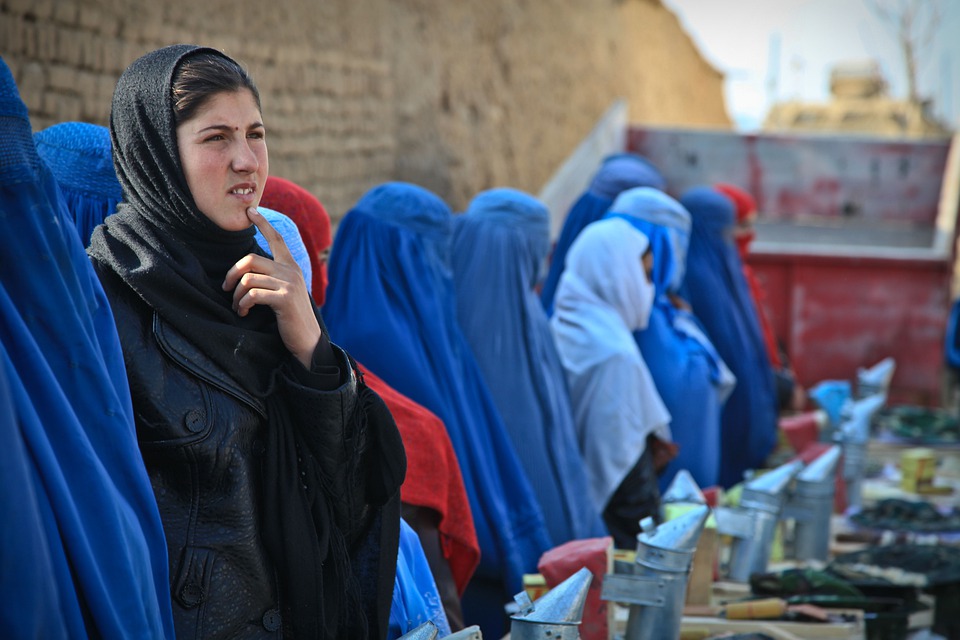
The UN special rapporteur on Afghanistan has warned of the current state of human rights in Afghanistan under the leadership of the Taliban. The expert said the country is heading towards an authoritarian regime paired with deteriorating human rights.
Speaking at the United Nations Human Rights Council meeting Monday, special rapporteur on Afghanistan Richard Bennett said that human rights under the Taliban have deteriorated, citing the increasingly restrictive policies the insurgent group has implemented on women and girls.
Bennett also said the country was moving towards authoritarianism due to the Taliban’s targeting of critics and its crackdown on the media.
“The severe rollback on the rights of women and girls, reprisals targeting opponents and critics, and a clampdown on freedom of expression by the Taliban amount to a descent towards authoritarianism,” said Bennett.
Afghanistan envoy Nasir Ahmad Andisha, representing the western-backed Afghan government, said there was “gender apartheid” in the country that fell to the Taliban on the heels of the US and the West’s military withdrawal after nearly 20 years of conflict.
Several Afghan women also echoed Andisha’s comments, including activist Mahmouba Seraj, who urged the 47-member council to take action and investigate potential human rights abuses.
“God only knows what kind of atrocities are not being reported,” said Seraj. “And I want that to be reported because this is not right. World: this is not right. Please, please, you’ve got to do something about it.”
Most secondary schools for girls in Afghanistan were shut down by the Taliban after the insurgent group walked back on its pledges to reopen them back in March.
Ilze Brands Kehris, the assistant secretary-general for human rights, said that around 850,000 girls have dropped out of the schools so far, putting them at risk for child marriage and sexual exploitation.
Bennett also touched on the attacks that have occurred against Muslim minorities in Afghanistan, saying that the Hazara and other Shia Muslim communities are being targeted in “systematic attacks” that could amount to international crimes.
Bennett explained that Hazaras and other groups have faced arbitrary arrest and detention, torture, execution, even displacement from traditional lands, discriminatory taxation, and marginalization.
The Hazaras have also been the frequent targets of Islamic State extremists, the rivals of the Taliban.







