


 NASA, Boeing Discuss Expanding Starliner Missions
  White House Bars CNN, MS NOW and Politico Reporters
  China Vanke Shares Jump as Beijing Moves to Ease Debt Pressure
  Meta Partners With Shopify to Bring Shop Pay Checkout to Muse AI
  Petrobras Joins Brazil’s New Diesel Subsidy Program
  CNN, MS NOW and Politico Sue Trump Over White House Media Ban
  China Reviews Broadcom Switch Use in State Data Centres
  fnny Beta Launches With a Simple Idea: Find an Event, Show Up, Get Rewarded
  Trump Bans CNN, MS NOW and Politico From White House
  FCC Approves Foreign Investment in $110B Paramount-Warner Bros. Deal
  Volkswagen Shares Slide After 2026 Profit Outlook Cut
  Nike Earnings at Risk as UBS Cuts Price Target to $42
  SpaceX Nasdaq 100 Weight to More Than Double in Rebalance
  Westinghouse Targets $50 Billion Valuation in U.S. IPO
  US Federal Register Drops Alibaba Qwen AI Search Tool


 Add as a preferred source on Google
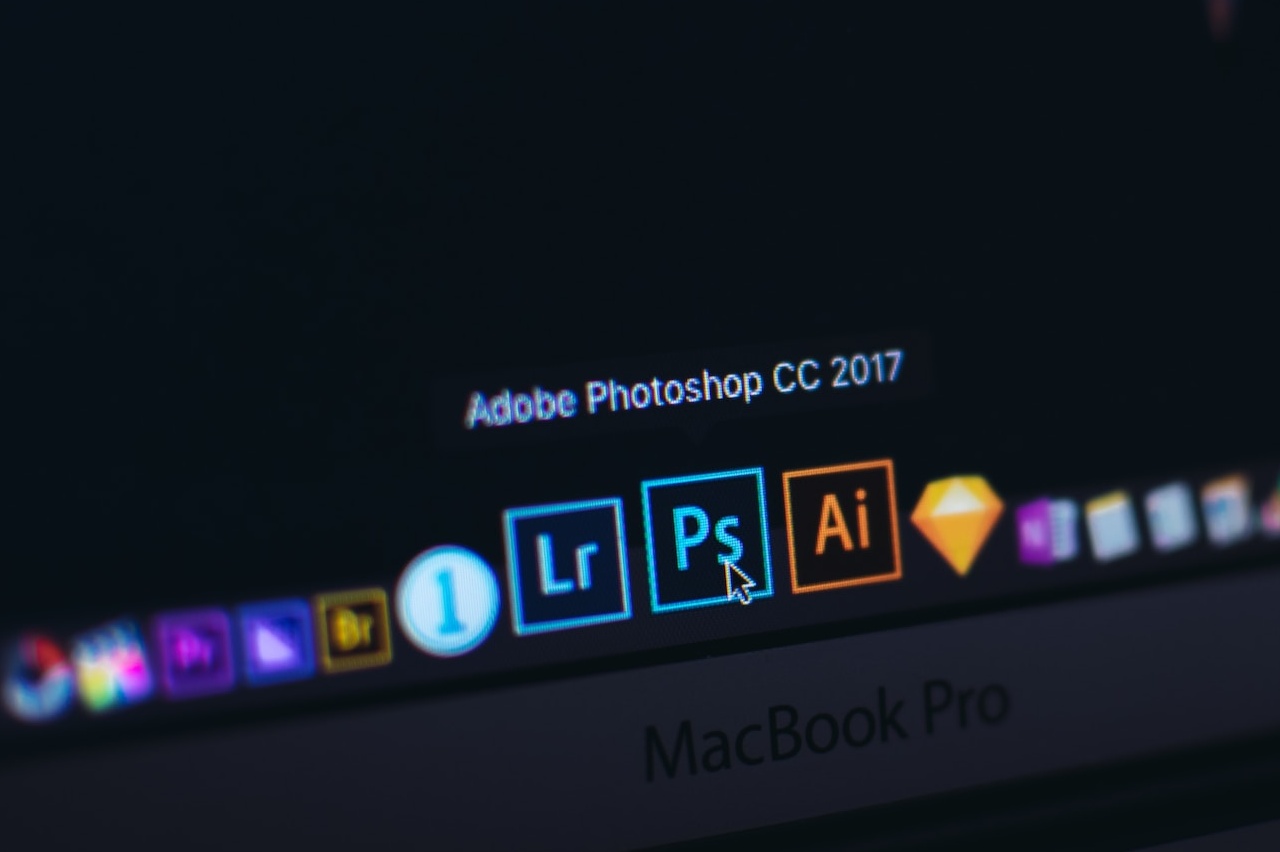
Adobe Inc. and Figma Inc. have terminated their merger deal, which is valued at $20 billion. It was reported that the cancellation of the agreement was a mutual decision.
Adobe and Figma said on Monday, Dec. 18, that they decided to call off their merger bid after facing issues with competition regulators in the United Kingdom. As per CNBC, shares of Adobe shot up to about 1.8% in the pre-market after the news made headlines.
Initial Announcement of the Acquisition Deal
Adobe's acquisition of Figma was first revealed in September 2020. The agreed payment terms were a cash-and-stock deal worth about $20 billion. At that time, the stock price of the San Jose, California-headquartered computer software company plummeted on the news. Still, Adobe explained that the merger would significantly boost its portfolio.
To further convince the market that the deal is beneficial, the company said at that time that "the combination of Adobe and Figma will usher in a new era of collaborative creativity." However, the deal could not immediately proceed since the companies' merger must first be approved by the competition watchdogs.
Now, with the deal's termination, Adobe is required to compensate Figma with a $1 billion breakup fee. The company indicated the charge in its recent regulatory filing.
Canceled Deal After Hitting Regulator Roadblock
Antitrust regulators have recently been scrutinizing a good number of tech deals involving both minor and major firms. In the case of Adobe and Figma's agreement, the companies determined that they were not likely to get approvals from the U.K.'s Competition and Markets Authority and the European Commission. This realization led to their decision not to move forward with their merger.
"Adobe and Figma strongly disagree with the recent regulatory findings, but we believe it is in our respective best interests to move forward independently," Adobe's chairman and chief executive officer, Shantanu Narayen, said in a press release. "While Adobe and Figma shared a vision to jointly redefine the future of creativity and productivity, we continue to be well positioned to capitalize on our massive market opportunity and mission to change the world through personalized digital experiences."
Photo by: Szabo Viktor/Unsplash







