


 Texas Republicans Turn Against AI Data Centers as Election Backlash Grows
  Thomson Reuters C-Track Cyberattack Hits Courts Across U.S. and Canada
  OpenAI Rejects Apple Trade Secret Theft Claims
  SpaceX Mobile Network Could Cost Up to $130 Billion, Bernstein Says
  OpenAI Launches GPT-6 Astra With Advanced AI Agent Capabilities
  MongoDB Stock Sinks 14% as Atlas Growth Misses Expectations
  Anthropic Nears $15 Billion Credit Deal Ahead of IPO
  Microsoft to Reveal Azure Revenue in Major Reporting Shake-Up
  Nvidia Reportedly Eyes $13 Billion Hugging Face Acquisition
  Adobe Names Anil Chakravarthy CEO as AI Push Accelerates
  Xiaomi Shares Jump on Europe EV Expansion Plan
  Chinese AI Stocks Rally After OpenAI Launches GPT-6 Astra
  Lenovo Shares Fall After Dropbox Security Breach Exposes ID Vulnerability
  Pinterest Stock Falls as CFO Julia Brau Donnelly Resigns
  Deutsche Telekom Shares Rise as Elliott Pushes Against T-Mobile Merger
  South Korea, US Discuss Chip Investments Amid Tariff Plans


 Add as a preferred source on Google
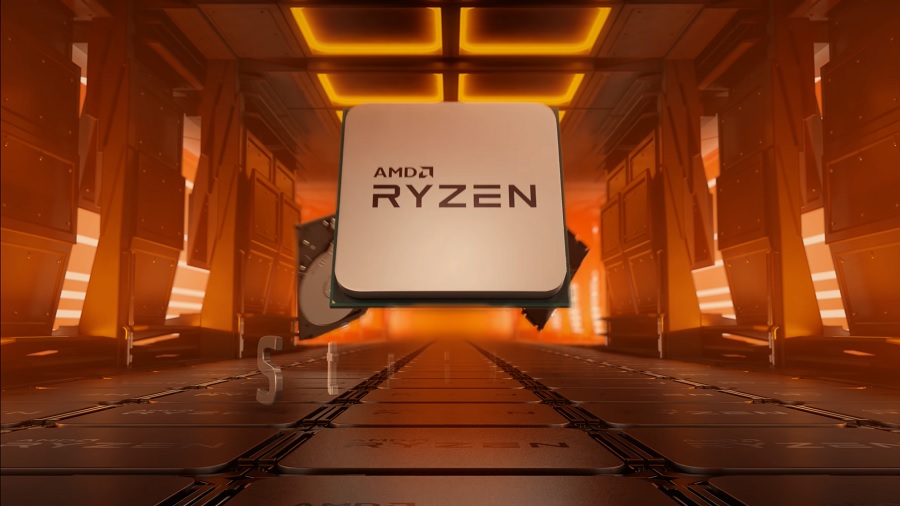
The past weeks have been a mix of ups and downs for AMD. The company saw great market share numbers as the final quarter of 2019, but a widely publicized and crowdsourced survey revealed that Ryzen 3000 CPUs do not perform with its promised boost clock. AMD has finally responded to the complaints and promises that they are preparing a firmware update to resolve the issue.
AMD Ryzen issue: Ryzen 3000-series chips not reaching its advertised boost clock
The said survey was initiated by popular YouTube creator and overclock enthusiast Der8auer. He reported getting data from 2,726 respondents with AMD Ryzen 5 3600 and 3600X, Ryzen 7 3700X and 3800X, and Ryzen 9 3900X.
There has been an earlier report from Tom’s Hardware with the same observation published in late July. The 6-core, 12-thread Ryzen 5 3600X, sold for $239, is advertised with a base clock speed of 3.8 GHz and a max boost clock at 4.4 GHz. However, they found that only one core of the processor is reaching its promised boost clock.
Meanwhile, in Der8auer’s survey, less than 10 percent of the respondents with the 3600X saw their processors reaching the boost clock speed. The numbers are more disappointing for the 3900X where only less than 6 percent of the chips hit the promised boost clock of 4.6 GHz. The rest of the survey showed more than 73 percent of the 3800X processors did not boost to 4.5 GHz, over 85 percent of 3700X CPUs were not able to boost up to 4.4 GHz, and more than half of the 3600 processors did not boost to 4.2 GHz.
AMD responds with an update to fix boost clock issues
If this issue goes out of control, it could impede the already positive performance of Ryzen processors in the market. For example, the German retailer Mindfactory released a sales comparison of AMD and Intel CPUs within one year. The company sold more AMD products from August 2018 to last July when the latest data were taken.
— AMD Ryzen (@AMDRyzen) September 3, 2019
On a positive note, AMD has since responded to the boost clock survey and complaints saying they have been monitoring events. The company reminded customers that boost clock results vary depending on several factors, such as the computer’s cooling system. But they ultimately confirmed they found a firmware bug. Luckily, they are now preparing a fix, and more updates will be released on Sept. 10.







