


 Gold Prices Slip From 10-Week High as Fed and Hormuz Risks Shape Outlook
  Anthropic Eyes $6B Decart AI Acquisition Ahead of Mega IPO
  UK Economy Posts Surprise June Growth as World Cup and Hot Weather Lift Activity
  Apple Tests China’s CXMT Memory Chips for iPhones and MacBooks Amid AI Supply Crunch
  Strait of Hormuz Shipping Near Standstill After New Vessel Attacks
  US Dollar Holds Firm as Fed Outlook and Iran Tensions Keep Markets on Edge
  Micron Stock Upgraded to Buy as New Street Sees $2 Trillion Valuation Potential
  Aviva First-Half Operating Profit Jumps 24% as Direct Line Deal Boosts Growth
  SEC Clears Path for Data Center Securitizations as AI Financing Demand Surges
  SMIC Shares Rally as Q2 Profit Surges 262% on Strong Chip Demand
  Thyssenkrupp Raises 2026 Profit Outlook as Steel and Materials Units Strengthen
  Maersk Raises 2026 Earnings Outlook as Shipping Profits Beat Expectations
  Nintendo Shares Jump as Switch 2 Sales Boost Earnings
  Paramount Weighs CNN Sale as $110B Warner Bros. Discovery Deal Faces Antitrust Fight
  Lenovo Revenue Surges 43% as AI Demand Drives Record First-Quarter Growth
  China Automakers Accelerate Global Expansion as Domestic Car Sales Slump
  Alphabet’s SpaceX Investment Soars 100-Fold to $94 Billion


 Add as a preferred source on Google
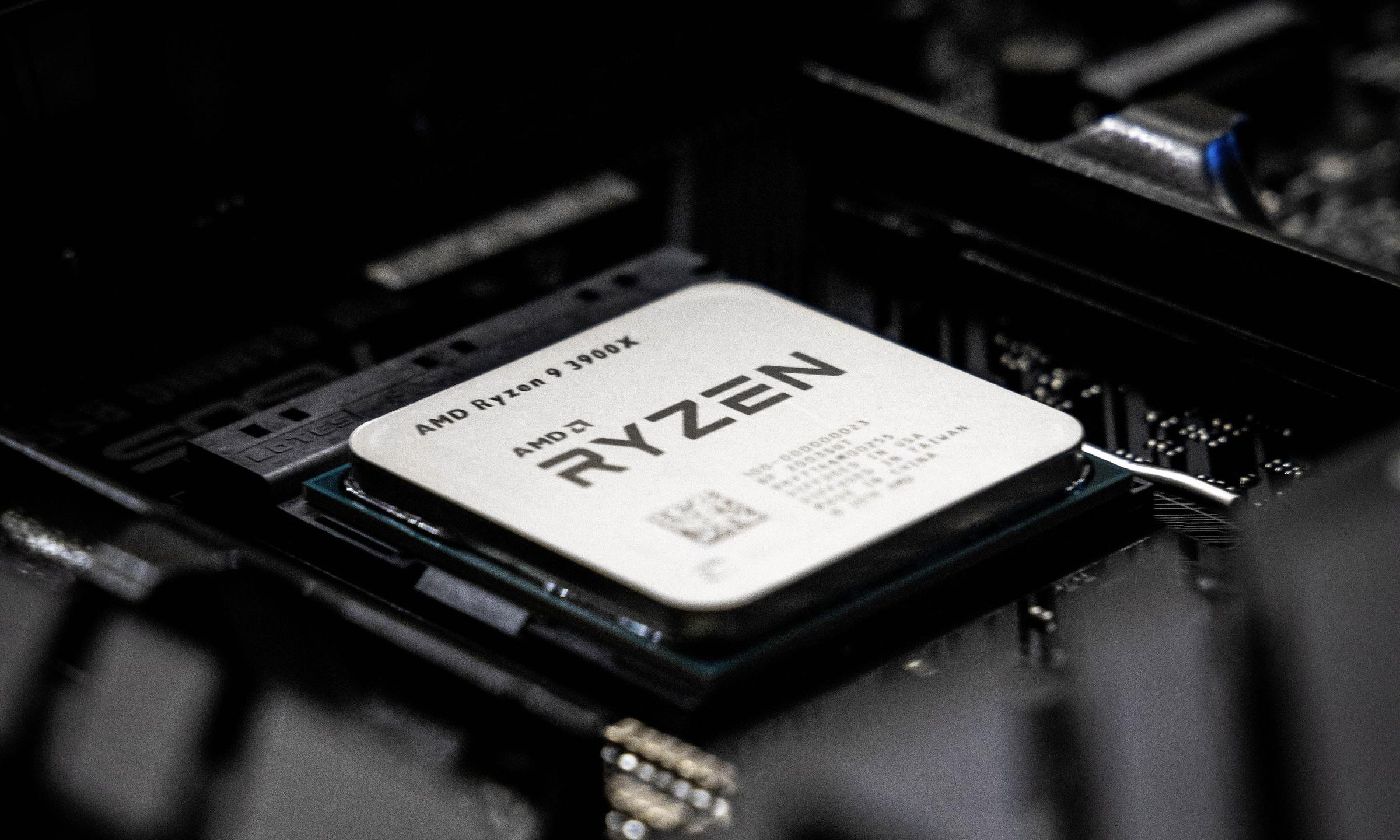
Amid a 6% stock decline, Advanced Micro Devices (AMD) champions robust customer interest in its AI-targeted MI300 chip, signaling a potential shakeup in the high-stakes AI semiconductor market, despite certain China-related export challenges.
In extended trading on Tuesday, AMD's stock surged by 4% following the company's announcement of strong customer interest in the upcoming MI300 AI chip, set to launch in the fourth quarter. AMD had announced exciting plans for the fourth quarter as it aims to finish strong with the release of its flagship MI300 AI chips. These chips are set to rival Nvidia's offerings in the rapidly evolving artificial intelligence (AI) semiconductor market. CEO Lisa Su has emphasized the increased production of the MI300 chips and the significant customer interest they have garnered.
AMD has boosted its partnerships with top-tier AI firms, leading cloud providers, and huge firms. The anticipation of releasing the MI300 chips later this year has sparked high investor optimism. These chips are seen as potential rivals to Nvidia in the thriving market for advanced AI chips.
However, there is a significant caveat. The performance of MI300 chips exceeds the limits allowed for sale in China under export controls. Unlike Nvidia and Intel, AMD has yet to develop specialized chips tailored for the lucrative Chinese market.
Despite this obstacle, AMD is actively working on modifying the MI300 and older MI250 chips to comply with U.S. export controls while still meeting the Chinese demand for AI solutions.
While AMD has not provided a detailed full-year forecast, the company expects to surpass the $6.04 billion revenue generated in 2022 from its data center business sales, including the MI300 chips.
According to Jenny Hardy, a GP Bullhound portfolio manager who holds stocks in both Nvidia and AMD, Nvidia's supply constraints open up opportunities for AMD's chips. Hardy emphasizes that if AMD can effectively increase production and successfully launch the MI300 chips in the fourth quarter, there will likely be substantial demand due to the scarcity of Nvidia chips.
To assure stakeholders, AMD emphasizes that it has ample components for the MI300 chips to support an "aggressive" launch in the fourth quarter and sufficient supply for 2024. Furthermore, analysts predict a rise in data center spending by major cloud players like Microsoft and Google, focusing on AI chips and infrastructure in the latter half of the year.
Additionally, AMD's finance chief Jean Hu expects the company's data center and client segment revenues to witness double-digit sequential growth in the third quarter. This growth is driven by increased demand for their EPYC and Ryzen processors.
With these developments, AMD is poised to significantly impact the AI semiconductor market, challenging Nvidia's dominance and capturing the interest of investors and industry players alike.
Photo: Tomáš Malík/Unsplash







