


 Microsoft's $10 Billion Japan Investment: AI Infrastructure and Data Sovereignty Push
  SpaceX Eyes Historic IPO at $1.75 Trillion Valuation
  U.S. Disrupts Russian Military Hackers' Global DNS Hijacking Network
  Annie Altman Amends Sexual Abuse Lawsuit Against OpenAI CEO Sam Altman
  NASA's Artemis II Crew Arrives in Florida for Historic Moon Mission
  Samsung Electronics Eyes Record Q1 Profit Amid AI-Driven Chip Boom
  Alibaba Shares Slide as Jefferies Slashes Price Target Over AI Spending and Business Losses
  China's Push to Steal Taiwan's Chip Technology and Talent Raises Security Alarms
  Elon Musk Ties SpaceX IPO Access to Mandatory Grok AI Subscriptions
  California's AI Executive Order Pushes Responsible Tech Use in State Contracts
  Rubio Directs U.S. Diplomats to Use X and Military Psyops to Counter Foreign Propaganda
  NASA Artemis II: First Crewed Moon Mission Since Apollo Takes Four Astronauts on 10-Day Lunar Journey
  Bank of America Identifies Top Asia-Pacific Semiconductor Stocks Poised for AI-Driven Growth
  Microsoft Eyes $7B Texas Energy Deal to Power AI Data Centers
  Cybersecurity Stocks Tumble After Anthropic's Claude Mythos AI Leak Sparks Market Fears
  Apple's Foldable iPhone Faces Engineering Setbacks, Mass Production Timeline at Risk


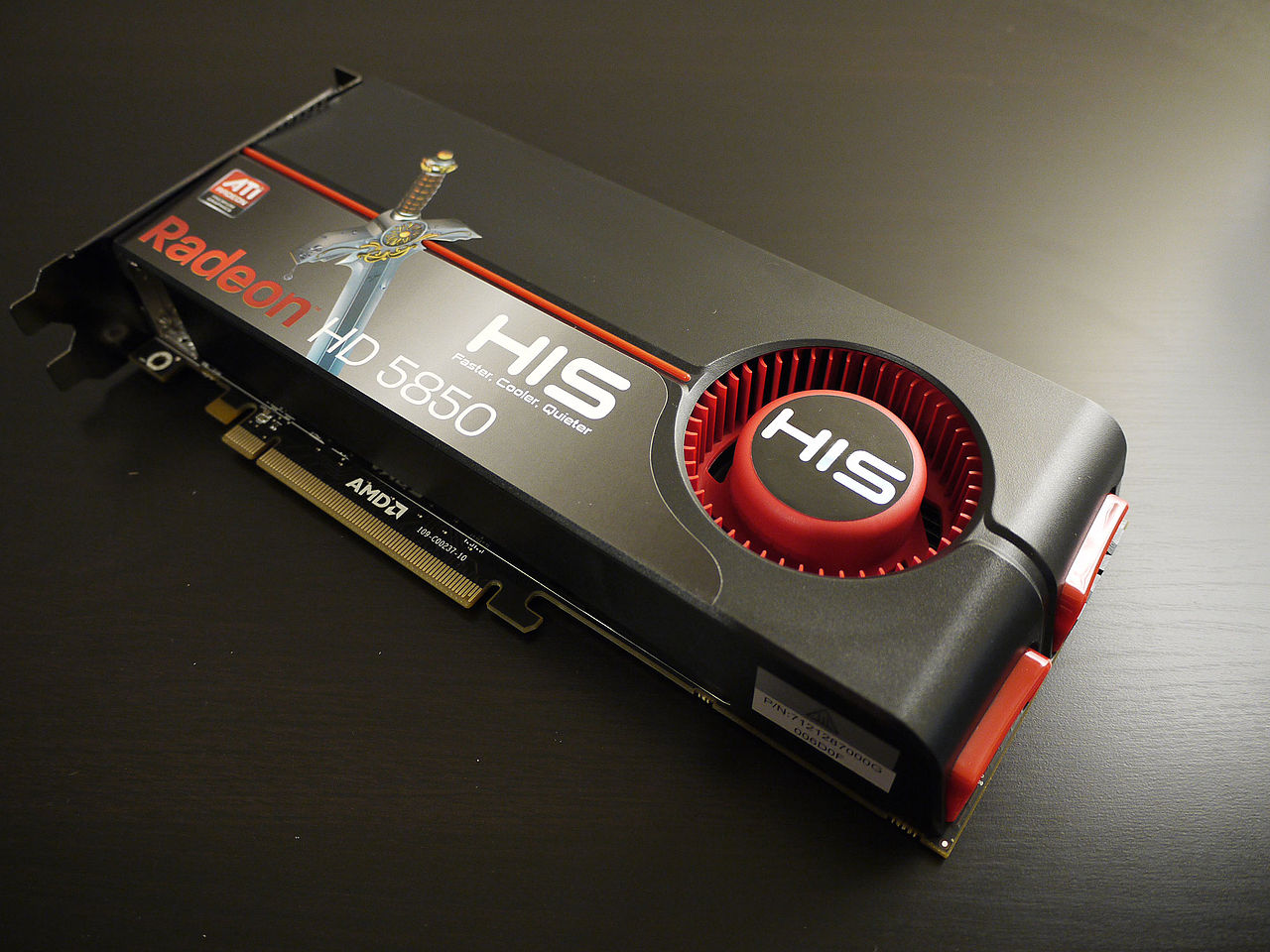
With NVidia releasing monstrous graphics cards that balance extreme gaming performance with reasonable prices, it’s no wonder that the Taiwanese chip maker is dominating the PC market. In order to combat this rising presence and avoid getting overwhelmed, AMD is reportedly licensing its GPU technology to CPU maker Intel. According to rumors, they aim to create the ultimate GPU.
Reports that the two companies were joining forces to take on NVidia have been circulating the web for months, but it wasn’t until recently that signs point to a more concrete development. HardOCP.com editor Kyle Bennett recently posted on the site’s forum that the deal was already done.
“The licensing deal between AMD and Intel is signed and done for putting AMD GPU tech into Intel's iGPU,” his post under Kyle_Bennet reads.
Naturally, neither of the two companies admitted to any such dealings, but neither did they deny that it was happening. When PCWorld tried to contact officials at both Intel and AMD, it got no response. So, instead, the publication spoke with Bennet to clarify his post.
“To my understanding, Intel has a team of about ~1,000 engineers working on their forward-looking iGPU technology,” Bennett explained. “Basically, that work will be scrapped and that team and their work will be replaced with AMD teams and technology going forward. There are also Apple implications here as well, and this deal is good for Apple assuredly.”
Those in the know with the goings-on in the tech industry will understand how bizarre this arrangement seems. However, looking at the history of Intel and NVidia, it makes more sense.
Tirias Research analyst Kevin Krewell explains this in an interview with Forbes, saying that right now, Intel is beholden to NVidia for its graphics chips via licensing. That arrangement has recently ended, which means that Intel will need to find a new source of GPU IP. This is where AMD comes in.
On that note, the most likely scenario would be to simply allow AMD to build the GPU for Intel, which would effectively equip all Intel CPUs with Radeon chips. This would put AMD in a much better position in terms of funding while allowing Intel to have a stable GPU for its lineup of processors.







