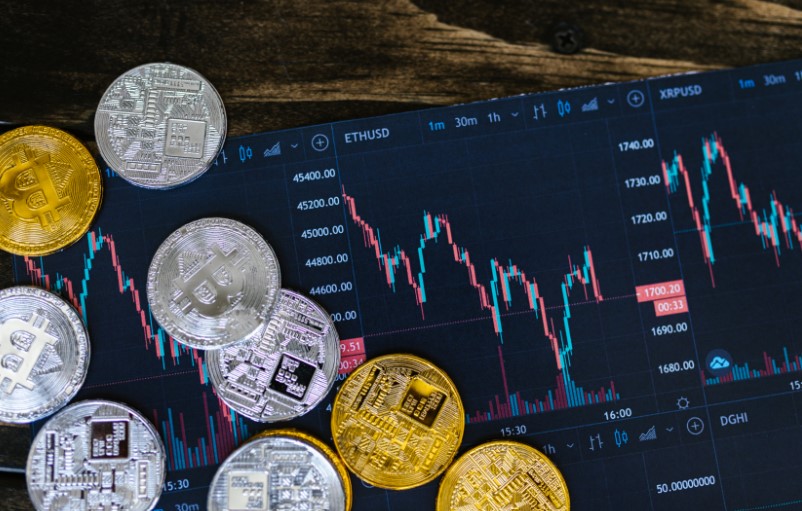
Cryptocurrency trading can be a very lucrative activity, but it can be quite daunting for beginners. After all, the crypto market is notoriously volatile and unpredictable, which makes it all the more important to approach it in a well-informed and strategic manner.
Luckily, getting started with crypto trading, whether it's Bitcoin, Ethereum, Quant crypto, or others doesn’t have to be complicated or overwhelming. As long as you have the right knowledge and tools, it can be simple and straightforward.
Here is a quick guide for crypto trading for beginners that covers all the basics you need to get started.
What you need to know before you start trading cryptocurrency
Here are four things to know before trading cryptocurrency:
1. The market is highly volatile - Cryptocurrency prices can fluctuate wildly, and the market is often driven by speculation, meaning that prices rise and fall very quickly.
2. There are many different types of cryptocurrency - Bitcoin is the most well-known cryptocurrency, but there are many others, like Ethereum, Litecoin, and Ripple. It’s important to understand the differences between these currencies before you start trading.
3. You need to be careful with your wallets - If you want to trade cryptocurrency, you need to store your coins in a digital “wallet.”
4. Be aware of scams - Unfortunately, there are many scams associated with cryptocurrency trading, so do your research and only use reputable exchanges and wallets.
How to start trading cryptocurrency: the basic steps
The initial step to trading crypto is finding a good exchange that allows you to buy and sell the cryptocurrency you want. After you find an exchange, you need to set up an account and deposit cash into it.
Once you've got that, you can start buying and selling cryptocurrency. To do this, you need to use a trading platform provided by the exchange. The platform will allow you to buy or sell cryptocurrency.
How to pick the right cryptocurrency exchange?
When looking for the best cryptocurrency you should always consider the following three features:
Fees - Some exchanges charge higher fees than others, so always compare the fees of different exchanges before choosing one.
Security - It's important to choose an exchange that has strong security measures in place to protect your funds.
Ease of use - Some crypto exchanges offer a more user-friendly experience than others. If you're new, you may want to choose an exchange that is easy to use.
That's about it. We hope you find this information useful to help you up your crypto-trading game. Good luck!
This article does not necessarily reflect the opinions of the editors or management of EconoTimes