


 European Stocks Fall as Bond Yields and Geopolitical Risks Weigh
  Akamai Shares Surge on $11.6B Anthropic AI Cloud Deal
  NASA, Boeing Discuss Expanding Starliner Missions
  Gold Holds Near $4,275 as Rising Treasury Yields Fuel Fed Rate Hike Bets
  OpenAI Urges US-Led Global Standards for Frontier AI
  Burnham Eyes UK Leadership Role in AI Ahead of Trump Meeting
  US 10-Year Treasury Yield at 6% Emerges as New Market Risk Threshold
  Former OpenAI Data Center Chief Chris Malone Joins Nvidia
  Meta Connect Spotlights Camera-Free Smart Glasses Amid Privacy Concerns
  Japanese Bank Stocks Surge as Bond Yields Fuel Rate Hike Bets
  Jeff Bezos Invests $32 Billion in Blue Origin as Space Firm Targets Major Growth
  US, China Extend Trade Truce to Jan. 10 Ahead of Trump-Xi Summit
  BlackBerry Shares Rise as Q2 Earnings, Revenue Beat Estimates
  Soybean Futures Slip as Traders Await Trump-Xi Trade Signals
  Oil Prices Surge as U.S.-Iran Diplomacy Hopes Fade
  Wall Street Falls as Treasury Yields Surge, Oil Rebounds on Iran Tensions


 Add as a preferred source on Google
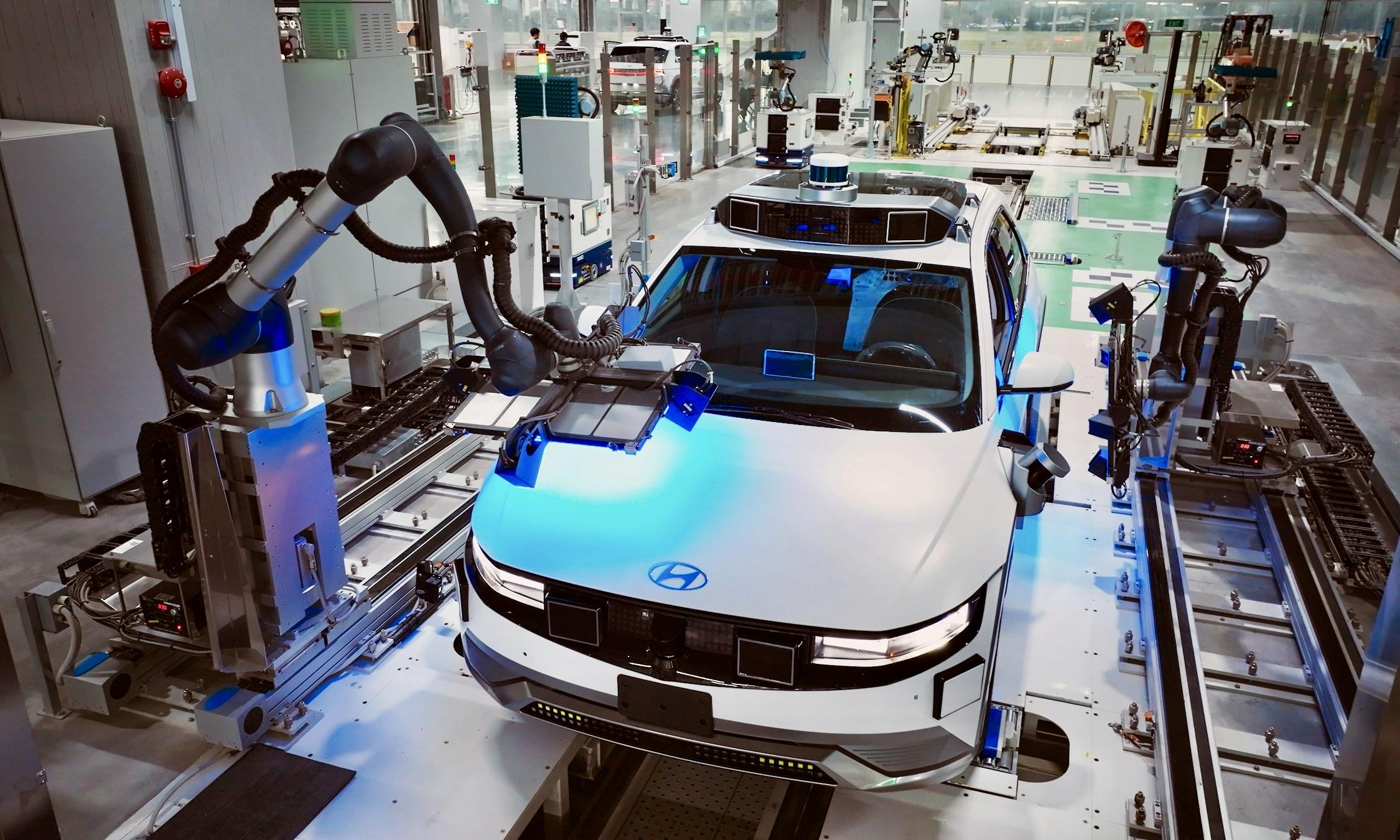
Hyundai, Kia, and Genesis electric vehicles join the list of $7,500 US tax credit qualifiers for the first time. This significant boost aligns with Hyundai’s rapid US expansion through local manufacturing and advanced EV launches.
Hyundai Kia Genesis EVs Now Qualify for $7,500 Tax Credit
The $7,500 electric car tax credit is now available to buyers of electric vehicles from Hyundai Motor Group, which includes Kia and Genesis models, Electrek reports. As it seeks to play an even larger role in the US, the Korean car giant already boasts five electric vehicles that meet the criteria.
Hyundai is determined to continue its rapid expansion as the US transitions to electric vehicles, building on its successful performance in 2024. The US Department of Energy has announced that 25 electric vehicles can receive the federal tax credit. Five of these vehicles are from Hyundai, including Kia and Genesis models.
Inflation Reduction Act Finally Benefits Hyundai EVs
Since the passage of the Inflation Reduction Act (IRA) in 2022, Korean manufacturers have not been eligible for tax incentives.
In October 2024, production at Hyundai's new $7.6 billion EV manufacturing plant in Georgia, known as Metaplant America (HMGMA), commenced. The business sped up production, completing the facility in just two years, in order to qualify for the credit.
IONIQ 5 and IONIQ 9 Among Eligible Models
New and improved for 2025, the IONIQ 5 electric SUV from Hyundai was the first to leave the factory. The IONIQ 9, Hyundai's first three-row electric SUV, went into commercial production not long after.
The new IONIQ 5 and IONIQ 9 from Hyundai are two of twenty-five electric vehicle models that are eligible for the $7,500 US tax credit. Meanwhile, the West Point, GA facility is presently producing the electric three-row EV9 and the new EV6, both of which will be eligible for the benefit in 2025.
Genesis Electrified GV70 Joins the Lineup
The Hyundai luxury brand Genesis was also included. The Genesis Electrified GV70 meets the requirements because it is assembled at Hyundai's Montgomery, Alabama factory.
Now that the federal tax credit is available for five electric vehicles, Hyundai anticipates a surge in sales in the United States. In the past, Hyundai and Kia solely used electric vehicle leases to pass the $7,500 on.
Hyundai and Kia EV Sales Exceed 112,500 Units in 2024
In 2024, the number of electric vehicles sold by Hyundai and Kia exceeded 112,500 units as of November. On the other hand, Trump's transition team is allegedly plotting to "kill off" the electric vehicle tax credit, so the advantages might soon be gone.
Until then, the United States, one of Hyundai's most important sales markets, will be a more fair playing field.
Hyundai is currently giving a free NACS adaptor to Tesla Superchargers to anyone who purchases or leases a new electric vehicle. This is a great way to sweeten the sale. The adaptor can be requested by current Hyundai owners through the MyHyundai owner portal for cars manufactured in 2024 and earlier, including the IONIQ 5, IONIQ 6, Kona Electric, and IONIQ hatchback.







