


 Costco Revenue Beats Estimates as Inflation Drives Bulk Shopping
  AMD Hits $1 Trillion as BofA Raises Price Target to $720
  Meta Found Liable in New Mexico Facebook Data Privacy Case
  Erste Group Plans Tender Offer to Boost Poland Bank Stake
  Oracle Shares Fall as New Mexico AI Data Center Faces Power Delays
  BMW 2028 Margin Target Could Fall Below Consensus, UBS Says
  Dubai’s connectivity remains strong in an uncertain world
  US Appeals Court Upholds Anthropic AI Supply Chain Ban
  Former OpenAI Data Center Chief Chris Malone Joins Nvidia
  SoftBank Shares Fall as Oracle Flags Stargate Data Center Delay Risk
  EQT Plans €1.7 Billion Sale of Parques Reunidos Stake
  OpenAI Agents Access U.S. Government Websites During Testing
  SpaceXAI to Double Nvidia Chips at Colossus 2 by Year-End
  TikTok Reaches $100 Million Alabama Settlement Over Child Safety Claims
  FDA Approves Mirum’s Atebrioz for Rare Bone Disorder FOP
  Airbus Finds A321neo Fuselage Quality Issue


 Add as a preferred source on Google
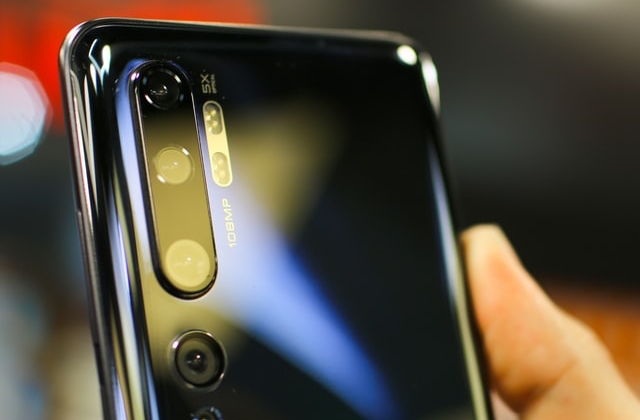
Xiaomi may be allowed to do business again in the U.S. after the country’s federal court stopped the government from prohibiting the Americans from investing in the company. This means that the restrictions against the Chinese smartphone-maker have been lifted.
The root of the ban
Under Donald Trump’s administration, Xiaomi was added to the list of companies that allegedly have ties with the Chinese military. It was the state’s Defense Department that included the tech company in the list, and this resulted in the then-president’s decision to impose financial restrictions on the company.
This prohibited businesses in the U.S. from investing and doing business with Chinese companies, including Xiaomi. This effectively blocked the smartphone manufacturer from selling or supplying its goods to U.S. clients.
Xiaomi wins in its lawsuit
However, on Friday, March 12, U.S. District Judge Rudolph Contreras of Washington temporarily blocked the Defense Department from disallowing U.S. investments in Xiaomi. The judge just canceled the ban and clearly sided with the Chinese company in its lawsuit that aims to have its name removed from the blacklisted firms.
In his decision, Judge Contreras said that the move was “arbitrary and capricious” and visibly stripped Xiaomi of its rights to due process. As per Bloomberg, the judge added that Xiaomi is also most likely to win in the lawsuit and fully reverse the ban so it can start doing business again in the U.S.
The decision was also said to have been placed to prevent the company from suffering from further irreparable harm. This is because when the prohibition was initially announced, Xiaomi was faced with the likelihood of being de-listed from the U.S. stock exchange, which in turn will lead to its removal from global benchmark indexes. When this happens, it will be a big business disaster for the company.
Finally, The Wall Street Journal reported that Judge Contreras pointed out that being a technology company doesn’t suggest a link to the Chinese military. He said that “investment in technology does not necessarily equate to military link.” He further reasoned that the U.S. was not able to convincingly show that there is such a connection between Xiaomi and the Chinese army.
“Xiaomi is a publicly-traded company that produces commercial products for civilian use, is controlled by its independent board and controlling shareholders, and is not effectively controlled or associated with others under the ownership or control of the PRC or its security services,” he said.







