


 JPMorgan Sees ECB Raising Rates to 2.75% in December
  Japanese Yen Retreats as Dollar Rises Ahead of Fed, BOJ Rate Decisions
  Australia GDP Beats Forecast, Boosting RBA Rate Hike Bets
  ECB Rate Hike in Focus as Oil Tops $100


 Add as a preferred source on Google
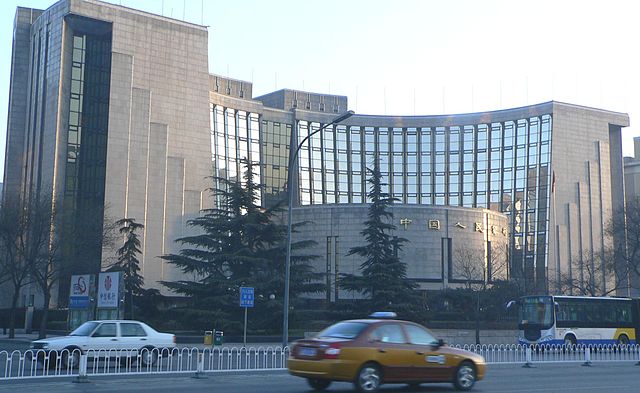
We, at FxWirePro, are with strong belief that People's Bank of China (PBoC) will and have to ease policy large in 2016. In first part we argued that current debt servicing cost of Chinese corporations standing above 30% of GDP, which is not only large but unsustainable. Since PBoC started easing policy by means of rate reduction, reserve requirement reduction or by simply injecting cash into financial system, the debt servicing cost has stabilized but not come down.
Similarly, when we look at China's manufacturing PMI, both official and private, we strongly feel, PBoC will have to do much more.
- Today China's official NBS manufacturing PMI came at 49.4. This figure is not only lowest since, 2012, it is pointing to six months of consecutive contraction, which means, China's manufacturing segment is in recession.
- Private figure, Caixin manufacturing PMI paints similar picture. Reading came at 48.4, which may not be the lowest (September, 2015 was 47.2) but it is pointing to consecutive contraction Since February 2015.
In turn it gives us the idea, PBoC's easing so far, may have stabilized the decline, it has so far failed to boost growth.
It is more likely that both PBoC and the government would take up further steps to boost growth.







