


 DOJ Grand Jury Investigates UAW President Shawn Fain Ahead of Union Election
  Nvidia Tightens AI Chip Sales in Asia With Stricter Customer Approval Process
  Deutsche Bank Fined A$2 Million by ASIC Over OTC Derivatives Reporting Errors
  SoftBank Corp Partners With Sierra to Expand AI Customer Support Across Japan
  Paramount-Warner Bros. Discovery Merger Faces Lawsuit From 12 States
  Kitron Q2 Revenue Beats Estimates as Defense Demand Lifts Growth
  OpenAI Executive Fidji Simo to Step Down Amid Health Challenges Ahead of IPO
  AstraZeneca Shares Sink After Wainua Trial Misses Key Heart Disease Goal
  SK Hynix Shares Drop After Strong Nasdaq Debut Despite $26 Billion ADR Listing
  Australia Flags Child Safety Gaps at Apple, Meta, Google Over Online Sexual Extortion
  TSMC Q2 Revenue Surges 36% as AI Chip Demand Powers Growth Ahead of Earnings
  Samsung Chairman Lee Jae-yong Expected to Meet Nvidia CEO Jensen Huang on AI and Chip Partnership
  Stellantis Q2 Vehicle Shipments Rise 10% as North America Drives Growth
  Morgan Stanley Says China’s Reusable Rocket Progress Poses Long-Term Challenge to SpaceX
  Goldman AM Sees Strong Buyout Opportunities in Japan, South Korea and Australia
  SK Hynix Soars 13% in Nasdaq Debut After Record $26.5 Billion IPO
  Yaskawa Electric Shares Slide as Weak Profit Overshadows Strong AI Demand


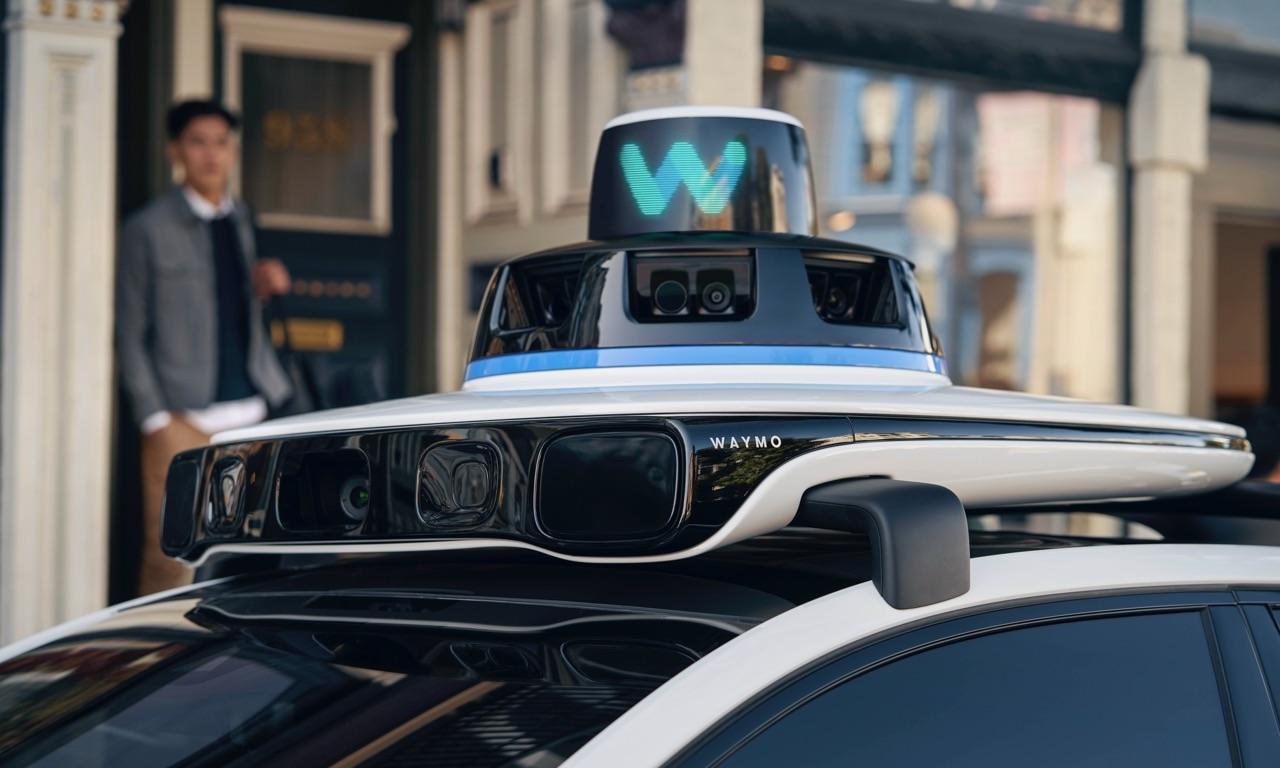
Waymo, Alphabet’s (NASDAQ: GOOGL) autonomous vehicle subsidiary and the largest robotaxi operator in the United States, has stated that its remote personnel do not directly control its self-driving cars during U.S. operations. The clarification comes as lawmakers increase scrutiny over the company’s use of overseas workers and remote assistance teams.
In a recent blog post and a letter addressed to Senator Edward Markey, Waymo emphasized that its “remote assistance agents” provide guidance and operational support to the Waymo Driver system but do not steer, drive, or directly control the vehicles. According to the company, about 70 remote assistance agents are on duty globally at any given time. Their responsibilities include coordinating with emergency responders and offering situational advice to the autonomous driving system.
Waymo acknowledged that, in rare cases, remote personnel could move a vehicle a short distance if necessary. However, the company stated that such interventions have not occurred outside controlled training environments. For more complex or urgent situations, Waymo relies on its U.S.-based Event Response Team, which handles emergent tasks requiring higher-level oversight.
The company operates four support locations in Arizona, Michigan, and two cities in the Philippines to manage its expanding robotaxi fleet. Lawmakers have raised concerns about the transparency and safety protocols surrounding these remote operations. Senator Markey, in a February 3 letter, called for more detailed disclosures regarding Waymo’s policies. Representative Buddy Carter has also urged the Department of Transportation to investigate the company’s use of overseas remote workers.
Waymo’s operations have drawn heightened attention following a late-January incident in Santa Monica, California, where one of its driverless taxis struck a child outside an elementary school. With more than 2,500 autonomous vehicles deployed across major U.S. cities, Waymo remains at the center of the evolving debate over robotaxi safety, remote vehicle monitoring, and the future of self-driving technology.







