


 Trump's Iran Deadline Is Final: Nuclear Deal Talks at Critical Juncture
  Trump Issues Deadline for Iran to Reopen Strait of Hormuz Amid Escalating Conflict
  Iran Rejects Trump's Hormuz Ultimatum, Threatens Wider Trade Disruption
  Vance Visits Hungary to Back Orban Ahead of Pivotal 2025 Elections
  Russia Secretly Aids Iran With Satellite Intelligence and Cyber Support Across the Middle East
  Trump Administration Terminates Title IX Agreements Protecting Transgender Students
  Kim Jong Un's Daughter Emerges as North Korea's Likely Successor, South Korean Intelligence Says
  Taiwan Opposition Leader's China Visit: A Peace Mission Amid Rising Tensions
  U.S. and Israel Escalate Pressure on Iran Over Strait of Hormuz as War Enters Sixth Week
  U.S. Commandos Execute Daring Rescue Mission Deep Inside Iran
  China's Push to Steal Taiwan's Chip Technology and Talent Raises Security Alarms
  Ukraine Launches Massive Drone Offensive Across Russia, Knocking Out Power to Hundreds of Thousands
  Britain Courts Anthropic Amid US Defense Department Dispute
  Trump Eyes Cabinet Shake-Up Amid Iran War Political Fallout
  Iran-US Ceasefire Talks: Pakistan Brokers "Islamabad Accord" to Reopen Strait of Hormuz
  Israel Poised to Strike Iranian Energy Sites, Awaiting U.S. Approval


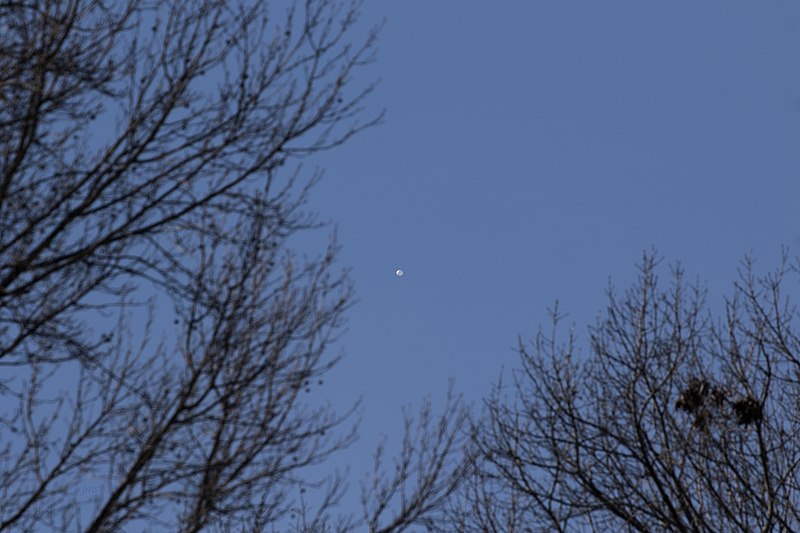
The US military said it was able to recover key electronic debris from the Chinese spy balloon that was shot down last week. The military added that some of the debris recovered included key sensors that are believed to be used for gathering intelligence.
The US military Northern Command issued a statement on Monday, saying that it has recovered key electronic debris from the Chinese spy balloon. The balloon was seen flying over American and Canadian airspace for a week before President Joe Biden ordered that it be shot down. China has denied the claim that the balloon was a spy vessel, and the incident sparked outrage in Washington resulting in Secretary of State Antony Blinken’s postponement of an expected visit to Beijing.
“Crews have been able to recover significant debris from the site including all the priority sensor and electronics pieces identified as well as large sections of the structure,” the US military’s Northern Command said in the statement.
Since the incident, three more objects were shot down in three days from Friday to Sunday as the US military surveyed the skies for objects that were not detected on the radar. The Biden administration and the military have acknowledged that the three recent flying objects that were shot down are unknown, including how they stay in the air, who made them, and whether the objects were gathering intelligence.
The US military said that targeting the latest objects was more difficult than the Chinese spy balloon as they were smaller and do not have the traditional radar signature. US defense secretary Lloyd Austin said the military has not yet recovered the debris from the three latest objects, and the military has declined to connect the incidents.
The White House said on Tuesday that the intelligence community is considering that the three latest objects that were shot down either had a commercial or benign purpose. The White House National Security spokesperson John Kirby told reporters that Washington still has yet to determine the origin of the three objects. Kirby added that more would be known when the debris could be recovered but that the parts are in hard-to-reach areas.







