


 Trump Slams New York Data Center Ban, Warns AI Investment Could Shift to Other States
  Hyundai Takes Full Control of Boston Dynamics to Accelerate Humanoid Robot and AI Strategy
  Sodexo Unveils Shift & Grow 2030 Strategy, Targets Over 5% Revenue Growth by Fiscal 2030
  Australia Flags Child Safety Gaps at Apple, Meta, Google Over Online Sexual Extortion
  Sam Altman Admits OpenAI Missteps, Promises Major AI Comeback Focused on User Freedom
  SpaceX Aborts Starship Test Flight as Engine Issue Delays Launch
  Volvo Cars Q2 Profit Falls as Automaker Bets on EX60 EV to Drive Recovery
  United Airlines Beats Q2 Earnings, Raises 2026 Profit Outlook Despite Higher Fuel Costs
  UBS Boosts China Tech Bets, Adds Kuaishou and Meituan to Focus List
  Arm Stock Falls After HSBC Downgrade, Citing Limited Near-Term AI Upside
  Eli Lilly Eyes AtaiBeckley Acquisition to Expand Psychedelic Mental Health Pipeline
  Jamie Dimon Warns Anthropic's Mythos AI Poses National Security Risks
  Moonshot Launches Kimi K3, China's Largest Open-Source AI Model
  Tesla Stock Outlook: Strong EV Sales Boost Earnings, but AI Projects Drive Long-Term Value
  Stripe, Advent Offer Over $53 Billion to Acquire PayPal in Major Fintech Deal
  EU to Propose New Rules Limiting Children's Access to Social Media
  Samsung Electronics America to Cut 739 New Jersey Jobs as Texas Headquarters Move Advances


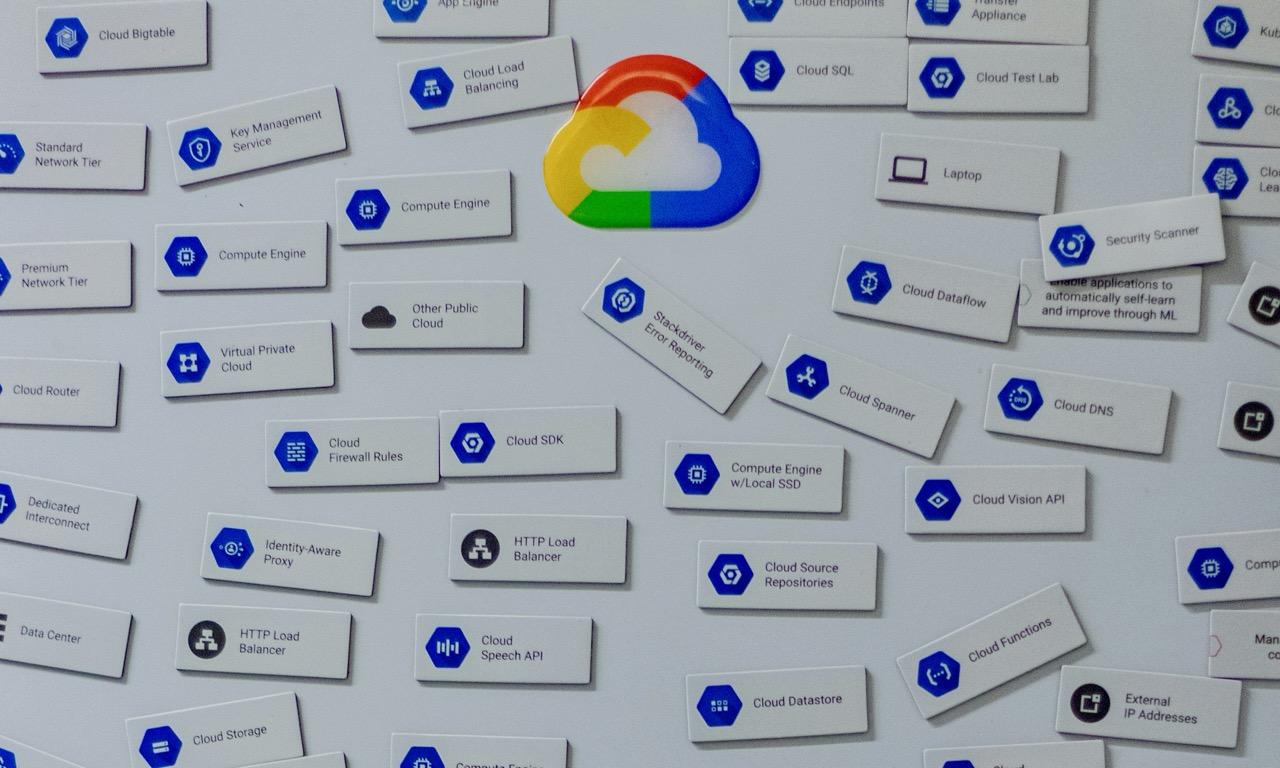
The United States is ramping up its efforts to closely monitor and expose foreign clients using cloud service providers like Amazon, Google, and Microsoft to develop artificial intelligence (AI) applications. This latest move is part of an ongoing technology conflict between Washington and Beijing.
The Proposed Regulations and their Implications
In a proposal released on January 29, Bloomberg reported that the Biden administration called for cloud service providers to disclose their foreign customers' names and IP addresses. The draft rule, published on January 28, also requires companies like Amazon, Google, and others in the industry to allocate resources for collecting and reporting suspicious activities.
Implementing these stringent regulations could have significant consequences, as it could hinder Chinese firms' access to data centers and servers crucial for training and hosting AI models. Additionally, the burden of collecting, storing, and analyzing customer data would lie upon the cloud services providers, similar to the strict know-your-customer rules in the financial industry.
According to The Straits Times, US cloud providers have expressed concerns over potential restrictions on their overseas activities, mainly if allied countries do not adopt similar measures. This discrepancy could put American firms at a disadvantage in the global market.
Notably, representatives from industry giants like Microsoft, Amazon, and Google have not yet commented on these proposed regulations outside of regular US working hours. The Commerce Department spokesperson referred Bloomberg to Commerce Secretary Gina Raimondo's remarks from last week.
National Security Threats and Focus on Chinese Firms
On January 26, Secretary Raimondo emphasized the urgency of addressing national security threats posed by AI development. This effort is primarily aimed at scrutinizing Chinese companies due to Washington's previous efforts to restrict Beijing's access to advanced semiconductors. The United States aims to curtail Chinese firms' ability to develop AI with potential military applications.
As tensions between the United States and China continue to escalate, the technology sector has become a focal point. The proposed regulations, if enacted, could significantly disrupt the collaboration between Chinese and US tech firms, impacting various industries and innovation.
Photo: Mitchell Luo/Unsplash







