


 IEA Releases Record 400 Million Barrels of Oil Amid U.S.-Iran War
  DEA Reopens Santo Domingo Office After Corruption Scandal
  Khamenei Vows to Keep Hormuz Shut as Netanyahu Issues Veiled Death Threat
  Pentagon Taps Wall Street Talent to Manage $200 Billion Defense Investment Fund
  Brazil's Top Court Blocks Trump Official's Visit to Imprisoned Bolsonaro
  Trump Nominates State Department Official Sarah Rogers to Lead U.S. Agency for Global Media
  FBI Warns of Possible Iranian Drone Attacks on California Amid U.S.-Iran War
  After the Iran war, Persian Gulf nations face tough decisions on the US – a former diplomat explains
  Iran Rules Out Closing Strait of Hormuz, Asserts Security Rights
  Fed Rate Cut Hopes Fade as Oil Prices Stoke Inflation Fears
  Senator Hawley Accuses Fertilizer Giants of Price Gouging Amid Iran Supply Disruptions
  Mexico's Electoral Reform Bill Fails in Congress as Coalition Fractures
  Bipartisan Housing Bill Advances in Senate, Aims to Tackle U.S. Affordability Crisis
  Trump Administration Launches Trade Investigations Against 16 Countries Over Industrial Overcapacity
  Canada's $35 Billion Arctic Defense Plan: Reducing Reliance on the U.S.
  TSA Funding Crisis Threatens Spring Break Travel as Senate Remains Deadlocked
  U.S.-China Trade Talks Head to Paris as Officials Push for Balanced Economic Relations


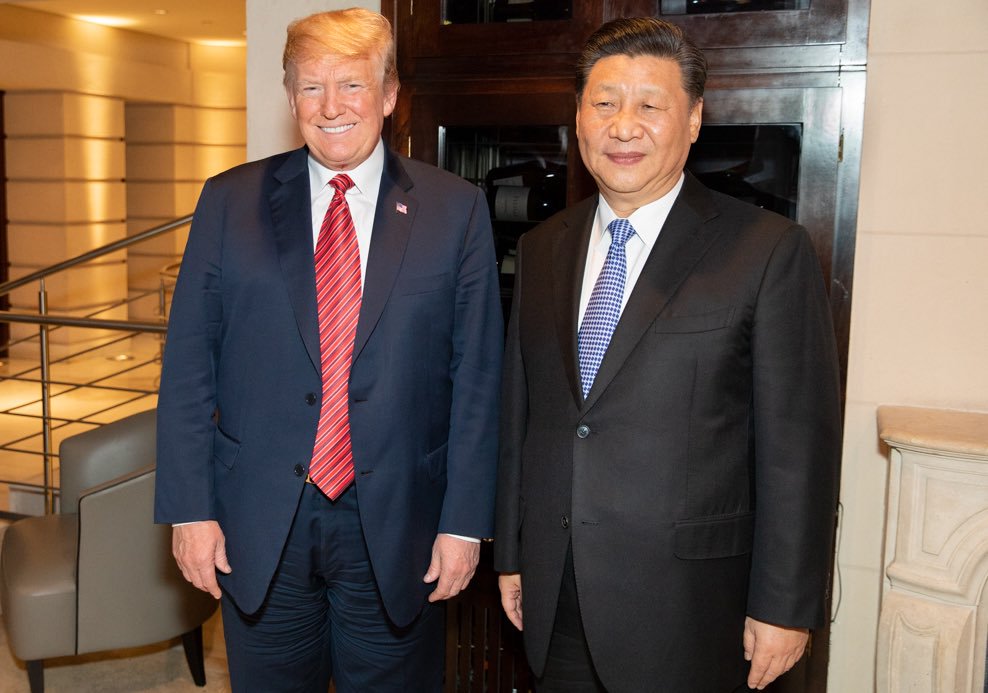
A landmark arms package worth approximately $14 billion is awaiting President Donald Trump's approval, potentially making it the largest weapons deal ever offered to Taiwan. According to sources briefed on the matter, the announcement is being deliberately held back until after Trump's planned March 31 to April 2 summit with Chinese President Xi Jinping in Beijing.
The proposed package primarily includes PAC-3 and NASAMS air defense interceptor missiles, designed to bolster Taiwan's defensive capabilities against growing military pressure from mainland China. An additional $6 billion in asymmetric defense systems is also reportedly queued for approval, which could be announced in a separate but related package.
Despite ongoing trade negotiations between Washington and Beijing, the pending deal signals that the Trump administration intends to maintain — or possibly expand — its military commitment to Taiwan. This stance would offer significant reassurance to Taipei, which has expressed concern that diplomatic maneuvering with China could come at the expense of U.S. defense support.
Xi Jinping previously urged Trump to exercise "prudence" regarding weapons sales to Taiwan, which Beijing considers part of its own territory. China has consistently opposed U.S. arms transfers to the island and reiterated that position in response to recent reporting.
However, a senior White House official confirmed that additional arms approvals are actively progressing, stating there has been no policy shift regarding Taiwan. Notably, Trump's second term has already seen weapons approvals surpassing the total authorized by former President Joe Biden across four full years, including an $11 billion package approved in December.
Taiwan's defense ministry confirmed that procurement coordination with U.S. counterparts is well advanced, and delivery schedules have already been discussed — indicating the deal is closer to finalization than publicly acknowledged.













