


 Drug pollution in water is making salmon take more risks – new research
  Wildfires ignite infection risks, by weakening the body’s immune defences and spreading bugs in smoke
  As the Black Summer megafires neared, people rallied to save wildlife and domestic animals. But it came at a real cost
  Rice feeds billions of people – but its role in fueling climate change is growing
  Parasites are ecological dark matter – and they need protecting
  How to create a thriving forest, not box-checking ‘tree cover’
  Burkina Faso and Mali’s fabulous flora: new plant life record released
  Thousands of satellites are due to burn up in the atmosphere every year – damaging the ozone layer and changing the climate
  GesiaPlatform Launches Carbon-Neutral Lifestyle App ‘Net Zero Heroes’
  Lake beds are rich environmental records — studying them reveals much about a place’s history
  What’s so special about Ukraine’s minerals? A geologist explains
  Ukraine minerals deal: the idea that natural resource extraction can build peace has been around for decades


 Add as a preferred source on Google
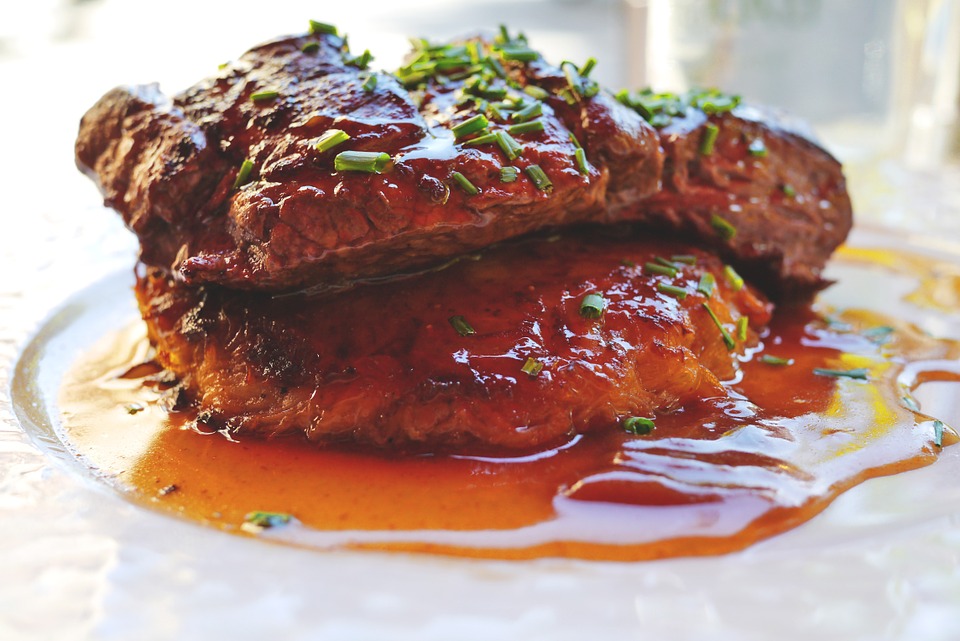
According to the UN Food and Agricultural Organization, twenty-six percent of the planet’s habitable land area is currently being used to host livestock. That’s twenty-six percent of Earth that could be used to plant crops and bolster the world’s food supply. This is why meat that is grown in laboratories are becoming more and more important. Not only can it reduce the production of greenhouse gasses, it can also help alleviate world hunger.
Of the greenhouse gas contribution by humans, 14.5 percent comes from livestock, Futurism reports. This percentage is expected to double, as the number of livestock also increases by 2050. Thanks to the efforts of organizations like Memphis Meats, however, the world has a chance of averting disaster.
According to the group’s website, their meat is developed using real cells from actual animals, so there’s no need for concern that it might come from synthetic sources. This allows them to grow edible, even delicious meat products without having to go through the process of actually growing, feeding, slaughtering, and distributing livestock.
“We expect our products to be significantly better for the environment, the animals and humanity,” the site reads. “And most importantly, they're delicious: all are developed with recipes honed over a half century by award-winning chefs.”
On that note, the concept of growing meat in a lab has met with some skepticism, Food Safety News reports. There is a notion among consumers and producers of meat that food products created in the sterile environment of a scientific laboratory would be less healthy than those harvested from livestock. At the very least, skeptics are saying that it wouldn’t be natural.
Memphis Meat and similar groups are arguing that both assertions are simply not true. For one thing, meat grown in a lab is easier to control for diseases and other unhealthy characteristics. As for the matter of how “natural” the lab-grown meat is, the groups insist that using animal cells to grow the food products makes them as natural as anything grown in farms.







