


 Gold and Silver Prices Climb in Asian Trade as Markets Eye Key U.S. Economic Data
  India–U.S. Interim Trade Pact Cuts Auto Tariffs but Leaves Tesla Out
  Lee Seung-heon Signals Caution on Rate Hikes, Supports Higher Property Taxes to Cool Korea’s Housing Market
  Japan Economy Poised for Q4 2025 Growth as Investment and Consumption Hold Firm
  Dollar Near Two-Week High as Stock Rout, AI Concerns and Global Events Drive Market Volatility
  Indian Refiners Scale Back Russian Oil Imports as U.S.-India Trade Deal Advances
  U.S. Stock Futures Rise as Markets Brace for Jobs and Inflation Data
  Trump’s Inflation Claims Clash With Voters’ Cost-of-Living Reality
  Australian Household Spending Dips in December as RBA Tightens Policy
  Yen Slides as Japan Election Boosts Fiscal Stimulus Expectations
  UK Starting Salaries See Strongest Growth in 18 Months as Hiring Sentiment Improves
  Trump Signs Executive Order Threatening 25% Tariffs on Countries Trading With Iran
  China Extends Gold Buying Streak as Reserves Surge Despite Volatile Prices
  Asian Stocks Slip as Tech Rout Deepens, Japan Steadies Ahead of Election


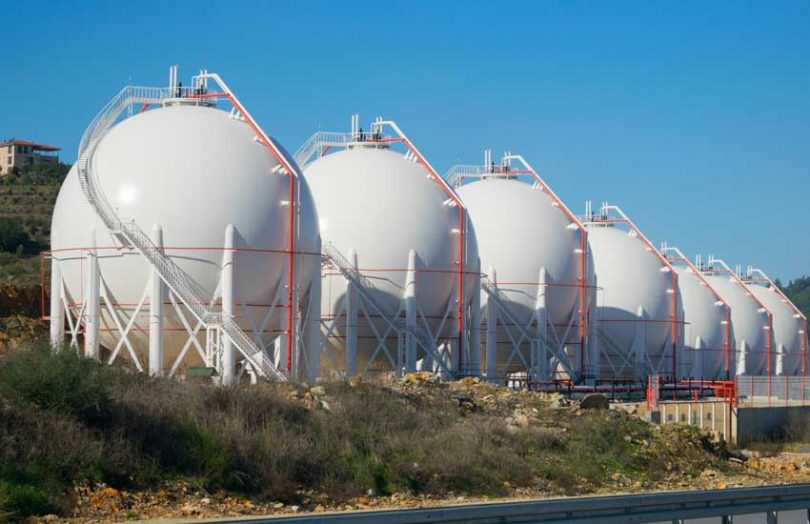
Japan will support Asian countries' liquefied natural gas (LNG) production for use in power generation in the hope of reducing procurement costs for the energy source.
The efforts to lower purchasing costs and ensure stable supply include broadening its LNG procurement sources to include India, Indonesia, Vietnam, the Philippines, Malaysia, Thailand, and Myanmar, which mostly have insufficient export infrastructures.
Australia, Qatar, and the US are currently Japan's main suppliers of LNG, which is less polluting than coal.
In 2019, Japan doubled its investment initiative to $20 billion to help Asian countries build LNG terminals, storage tanks, and other export facilities.
Japan expects greater production of LNG by countries in the region and diversification of suppliers with increased demand for the fuel.
If the seven Asian countries shift from coal-fired to gas-powered plants, it would create additional LNG demand of 166 million tons, more than double Japan's annual imports.
Japan, which relies on LNG for nearly 40 percent of power generation, is facing LNG stock depletion amid unseasonably cold weather this winter.
Since LNG is mostly traded under long-term contracts with prices linked to crude oil, it is difficult to procure LNG at prices based on supply and demand conditions.
Thus, Japan hopes that having more LNG producers and buyers would establish an LNG market with flexible pricing.
Japan's imports of LNG rose sharply in the absence of nuclear power generation following the Fukushima Daiichi nuclear crisis, triggered by the devastating earthquake and tsunami in the northeast of the country in March 2011.













