


 Australia's Inflation Eases in February but Core Pressures Persist
  Asian Markets Rally as Oil Prices Tumble and Middle East Peace Hopes Emerge
  Suspicious Oil Market Trades Precede Trump's Iran Peace Post by 15 Minutes
  Trump Tariffs Show Minimal Economic Impact but Boost Federal Revenue, Study Finds
  Gold Prices Surge on U.S.-Iran Ceasefire Reports
  U.S. Stock Futures Steady as Iran Reviews U.S. Ceasefire Proposal
  Currency Markets Show Caution Amid U.S.-Iran Negotiations
  Japan's Private Sector Growth Slows in March Amid Rising Costs and Middle East Uncertainty
  Bank of Japan Officials Signal Continued Interest Rate Hikes Amid Inflation Concerns
  UK Consumer Confidence Weakens Amid Middle East Conflict and Rising Living Costs
  Japan Eyes Oil Futures Intervention to Stabilize Yen Amid Middle East Crisis
  Oil Prices Rebound as Iran Denies U.S. Talks Amid Gulf War Supply Fears
  Australia-EU Free Trade Deal Signed After Years of Negotiations
  U.S. Futures Slide as Iran Denies Nuclear Talks with Washington
  Iran-Israel Missile Strikes Continue Amid Mixed Signals on U.S.-Iran Diplomacy


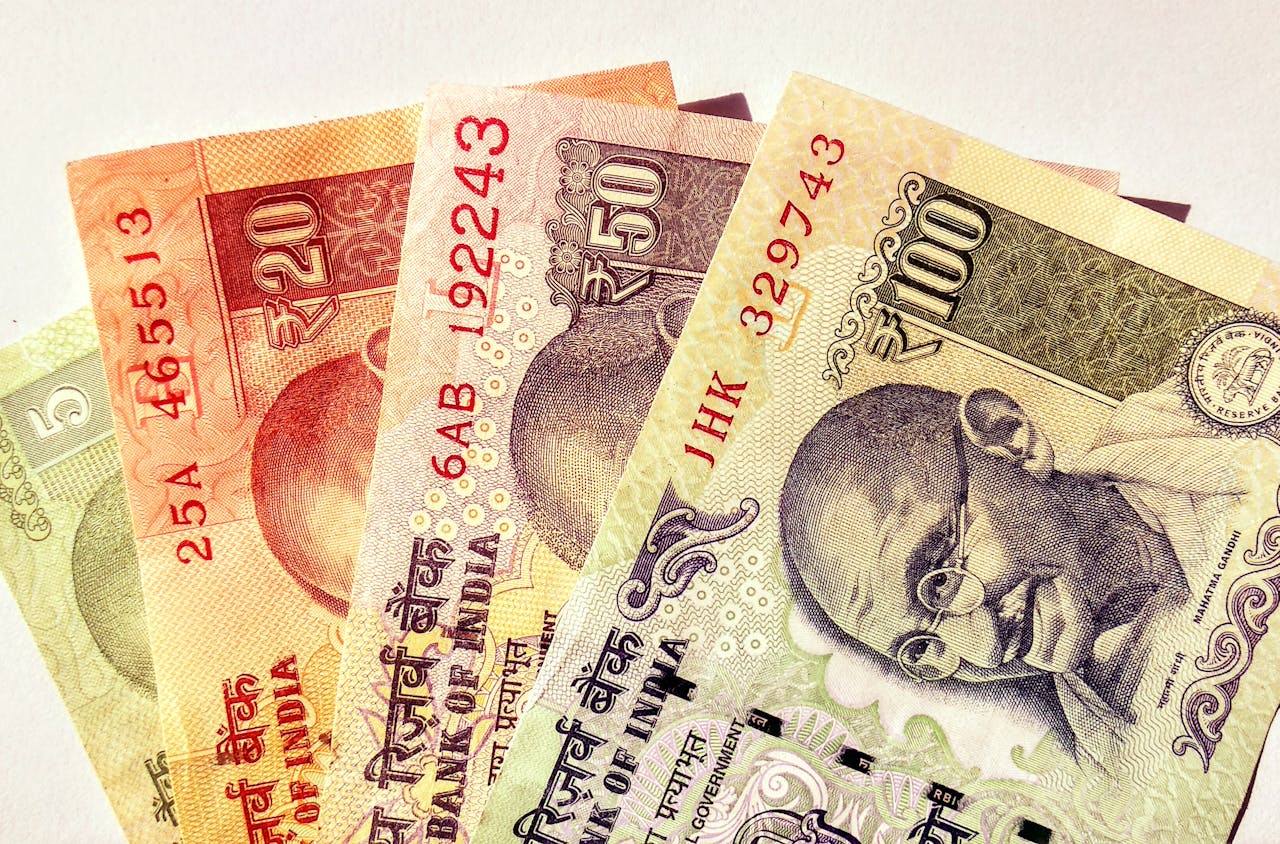
The Indian rupee and government bonds are expected to remain volatile this week as traders eye key global and domestic events, including the U.S. Federal Reserve policy decision and the August 1 reciprocal tariff deadline. The rupee closed at 86.5150 per U.S. dollar on Friday, down 0.4% for the week, amid foreign portfolio outflows and uncertainty over a U.S.-India trade deal.
The Federal Reserve is widely anticipated to keep interest rates unchanged, but markets will closely track Fed Chair Jerome Powell’s remarks for clues on future rate cuts. Upcoming U.S. labor market and inflation data will also provide insights into how tariffs are impacting the economy.
While the U.S. recently struck a trade deal with the European Union, imposing 15% tariffs—half the previously threatened rate—India’s talks remain stalled over sensitive sectors like dairy and agriculture. Traders expect the rupee to trade in the 86.30–87 range with a bearish bias, driven by potential “news-led price action.”
India’s 10-year benchmark bond yield, currently at 6.3505%, is projected to fluctuate between 6.31% and 6.38%. Investors are also watching the Reserve Bank of India’s August 6 policy meeting amid speculation of further rate cuts following a record low in retail inflation.
Foreign investors have poured over 100 billion rupees into Indian bonds in the past five weeks, citing strong fundamentals, controlled inflation, and India’s significant weight in global emerging market indices. Analysts believe these factors will continue to attract overseas investment despite short-term volatility.
Key economic data releases this week include India’s June fiscal deficit, industrial output, and HSBC manufacturing PMI, alongside U.S. consumer confidence, GDP, and non-farm payrolls. These indicators are likely to set the tone for currency and bond market movements heading into August.













