


 Houthi Naval Blockade on Saudi Arabia Escalates Iran Conflict, Threatens Global Oil Supply
  Samsung Cuts U.S. Consumer Electronics Jobs as Headquarters Moves to Texas
  Hong Kong AI Stocks Rally as Moonshot AI’s Kimi K3 Launch Boosts Market Optimism
  SpaceX Targets Thursday Launch for Starship's 13th Test Flight After Last-Minute Delay
  Trump Set to Unveil New Tariffs on Dozens of Countries as Global 10% Duty Nears Expiration
  India FMCG Q1 Earnings Preview: Higher Input Costs Likely to Weigh on Profit Margins
  Japan Yen Slides Past 163 as Middle East Tensions Lift US Dollar, Oil Prices
  GM Q2 Earnings Beat Estimates as General Motors Raises 2026 Profit Outlook
  US-Iran Conflict Escalates as Gulf Attacks Threaten Global Oil Supply
  Super Micro Computer Stock Jumps 20% After Record AI Orders and Margin Surge
  Gold Climbs Above $4,000 as Middle East Tensions and Fed Outlook Drive Safe-Haven Demand
  Asian Stocks Rise as Oil Retreats on Iran Ceasefire Hopes Ahead of Key AI Earnings
  Pakistan Seeks $10 Billion U.S. Exchange Stabilization Fund to Boost Forex Reserves
  Japan PM Sanae Takaichi Unveils Growth Plan as BOJ Independence Concerns Lift Bond Yields
  Foxconn Wins First SpaceX AI Server Contract Worth Estimated $52 Billion
  Deutsche Bank Says Fed Balance Sheet Cuts Could Weaken US Dollar Instead of Boosting It
  Tesla Stock Outlook: Strong EV Sales Boost Earnings, but AI Projects Drive Long-Term Value


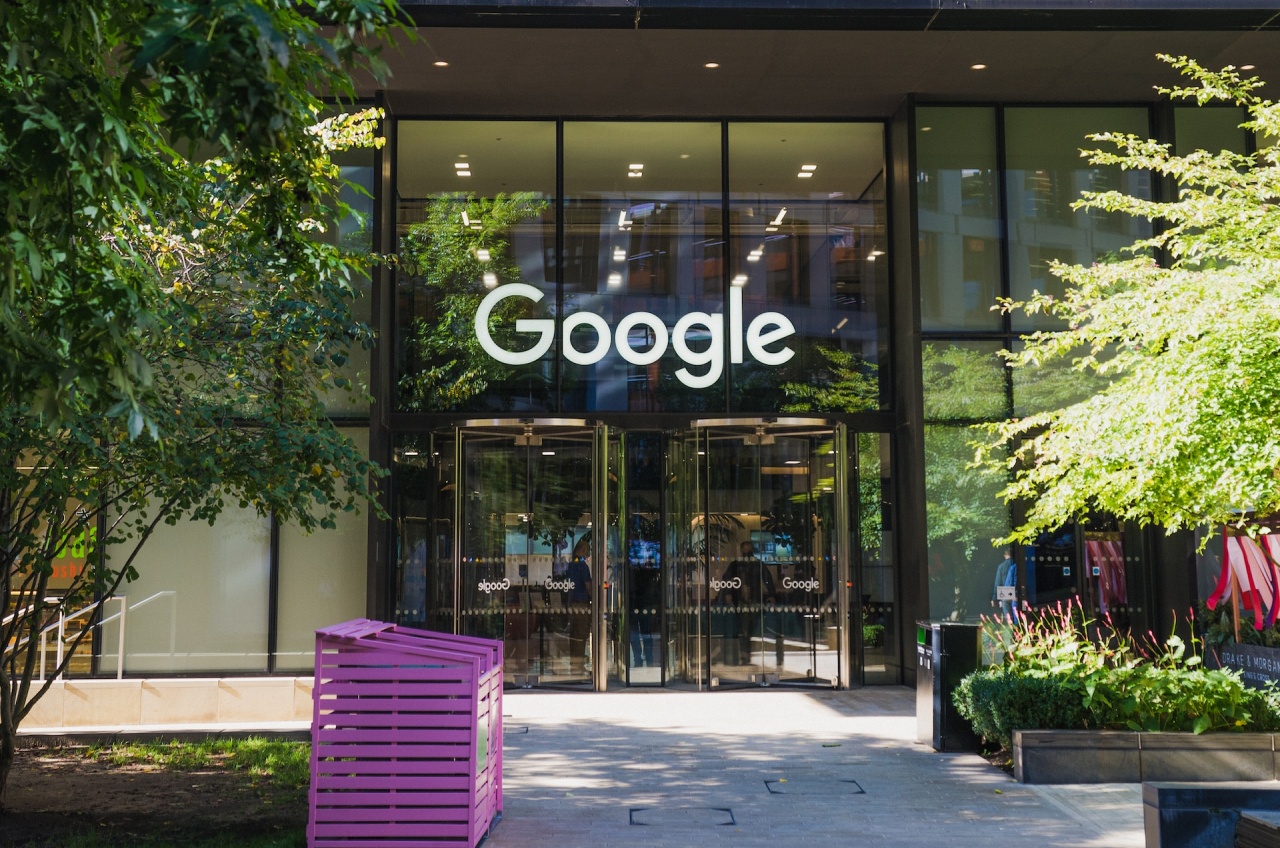
Epic Games alleged that Google struck a deal with Activision Blizzard, so it would not build an app store that would compete with its Play Store. The tech company led by Sundar Pichai reportedly paid around $360 million with a promise from the “Call of Duty” publisher that it would not set up its own app store.
Epic Games is currently in a court battle against Alphabet Inc.’s Google and Apple over antitrust violation claims. In the court filings last week, the video game and software developer and publisher based in Cary, North Carolina, alleged that aside from Activision Blizzard, Google secured a deal with at least 23 other app developers to block them from competing with its app store.
As per Reuters, the filing further stated that Google also paid Tencent Holding’s Riot Games unit some $30 million over one year for the same kind of agreement. These deals with financial details came to light through the new unredacted version of Epic Game’s lawsuit that it first filed against Google in 2020 for anti-competitive practices complaints related to its Play Store and Android.
In the earlier copies of the lawsuit, Google’s agreements with developers were already mentioned but did not include the exact terms that were recently revealed. The deal with Activision that was first disclosed in early 2020 reportedly came about not long after the game publisher told Google about its plans to launch its own app store.
At that time, Google predicted it would lose billions of dollars in its app store sales if developers moved to other systems. Epic claimed in its lawsuit that the tech firm knew that negotiating with Activision Blizzard will effectively ensure that it will ditch its plans of setting up a rival store, thus a deal was signed.
The court papers revealed that as of July, Nintendo, Age of Learning, and Ubisoft Entertainment are among others that have agreed with Google and struck a similar deal as with Activision.
Meanwhile, Bloomberg reported that in response, Activision Blizzard called Epic Game’s claims “nonsense.” With this reaction, the game developer and publisher is clearly denying the purported deal with Google.
Photo by: Jonny Gios/Unsplash







