


 FxWirePro: Daily Commodity Tracker - 21st March, 2022
  Asian Currencies Slide as Dollar Rises, Euro Hits 17-Month Low
  Asian Currencies Steady as Dollar Holds Near 18-Month High
  Asian Stocks Rise as Fed Rate Hike Bets Fade
  World Bank Raises South Asia Growth Forecast to 6.9%
  Gold Prices Slip as Strong Dollar and High Treasury Yields Weigh
  Gold Prices Rise as Weak US Jobs Data Cuts Fed Hike Bets
  Hong Kong Stocks Slip as Property, Financial Shares Weigh
  Iran Tanker Attacks Surge as Hormuz Oil Flows Near Prewar Levels
  RBI Rate Hike Bets Surge as Inflation Rises
  Samsung, SK Hynix Shares Fall Ahead of Q3 Earnings


 Add as a preferred source on Google
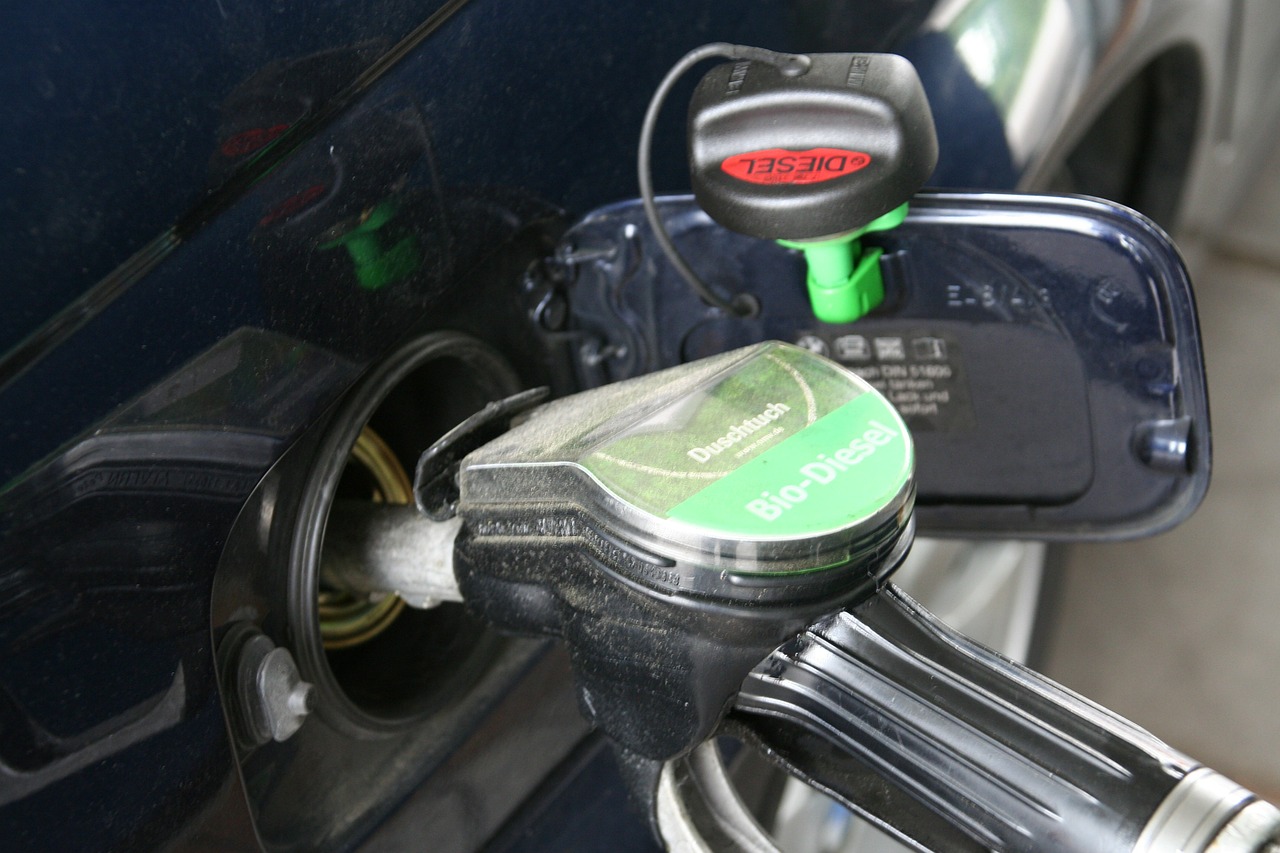
After the decision to leave the European Union, the United Kingdom isn’t expected to experience any major adverse effects in terms of their oil and gas industry. However, industry leaders call for a clear leadership from the government in order to minimize uncertainty in the future.
“Leaving the EU could ultimately signal a more prosperous future for the UK North Sea,” said Airswift CEO Peter Searle.
However, Searle said, “The only worry would be the reluctance of some foreign or overseas oil companies investing into the North Sea further, or into other exploration projects either on the mainland in other areas of the United Kingdom or in other energy sectors.”
Aberdeen, the oil capital of Europe, will no longer be the main producer of oil and gas in the region.
The Scottish city voted 61.1% to remain while across Scotland 62% opted to stay in EU, but the UK’s decision to leave is said to have created a major problem in the production of crude in the whole European region.
Previously, it was reported that Brexit could trigger a second Scottish referendum as Scotland has unwillingly been forced to leave the EU. In the previous referendum Scotland argued that they had the oil reserves to support their economy if they broke away from the UK. With their crude oil industry under threat Nicola Sturgeon leader of the Scottish National Party is pushing hard for the second referendum.
Russia warned the possibility of oil prices could plunge further if the shock of the UK’s transition to leave the European Union is mixed with a boost in crude output.
“If EU members begin to quit the union then this may have a significant consequences for the rate of economic growth and as a result affect the price of oil,” said Russian Energy Minister Alexander Novak. “Then the consequences will be very hard to predict.”
Issues related to oversupply will further affect the price of oil and gas in the UK, which will be followed by a big drop in the petrol prices, similar to what happened in the world market recently.
At the start of the year, many small players worldwide were forced to shut down. The remaining, were generally the larger multi-national companies that were experienced enough to survive challenging economic times.
According to some experts, the remaining smaller oil companies will have a hard time retaining their investments in the next two years due to lowering crude prices.
Shale gas, according to experts, isn’t a viable prospect’ to secure the energy in the UK. Even if the government is positive about their plans for hydraulic fracturing soon, it may not be enough to meet the strong demand for power.
“Shale gas is very contentious, but the chances of getting any serious volumes of the resource in the next 10 years is extremely limited,” Energy chief analyst Simon Flowers said.
Opinions expressed by EconoTimes Contributors are their own.







