


 FxWirePro: Daily Commodity Tracker - 21st March, 2022
  Best Gold Stocks to Buy Now: AABB, GOLD, GDX


 Add as a preferred source on Google
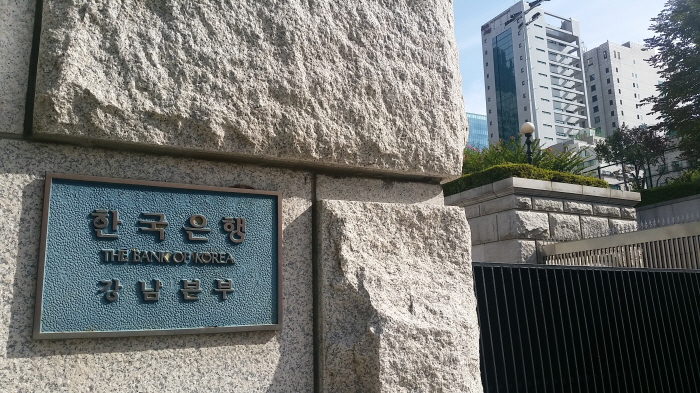
The Bank of Korea surprised markets at its policy meeting held Thursday as it slashed policy rate to record low, following a push from the country’s inflation and exports sector.
The central bank of South Korea reduced its policy rate by 25 basis points to 1.25 percent, unexpected by the most market participants. The stance came in despite high levels of household debt, which continues to, mount further, with an aim to provide a jumpstart to the economic recovery of the country.
At 1.25 percent, the BoK’s seven-day repurchase rate is 75 bps lower than what was witnessed after the 2008-09 global financial crisis. The previous rate cut, of 25 bps to 1.50 percent, took place a year ago in June 2015.
South Korea's central bank governor Lee said that the rate cut decision was unanimous and monetary policy will continue to remain accommodative. He further added that the economic growth path will be weaker than expected and inflation will remain below two percent for some time, downside risks to growth have increased for the second half of 2016. Similarly, South Korea's Finance minister Yoo said that economy is likely to benefit from the BoK's interest rate cut.
The fresh injection of monetary stimulus by the BoK highlights South Korean authorities’ concerns regarding the economy’s lackluster growth momentum and below-target inflation expectations. Accordingly, the Korean won (KRW) depreciated against the US dollar (USD) immediately after the announcement before stabilizing near Wednesday’s closing value.
"It will be burdensome to cut rates again this year. Plans from the government for the second half of the year will be eyed, but for now I expect this to be the last rate cut this year," said Lee Sur-bee, Fixed Income Analyst, Samsung Securities.
While market participants were anticipating a rate cut action post the decision of the Fed this month, probably the BoK thought of acting before the Fed does. However, a depressed jobs market has raised questions over the US central bank acting this season.
Further, a fall in exports in Asia’s fourth largest economy, persuaded the International Monetary Fund to lower its 2016 GDP forecast for South Korea to 2.7 percent from 2.9 percent in April while earlier this month, the OECD slashed its GDP projection from 3.1 percent to 2.7 percent.
Meanwhile, few analysts expect just one rate cut to end the current easing cycle if the global economy rebounds next year.







