


 Nvidia Options Price in $280 Billion Earnings Swing
  U.S. Probes Apex Logistics Over Nvidia AI Chip Shipments to China
  Nvidia Reportedly Eyes $13 Billion Hugging Face Acquisition
  Nvidia Pauses AI Cloud Financing Deals Amid Antitrust Concerns
  SK Hynix Shares Fall as Workers Reject Wage Deal
  Google Expands Gemini Enterprise With AI Tools for Legal Sector
  Luxshare Shares Rise as First-Half Profit Jumps 18%
  U.S. Disrupts China-Linked Hacking Campaign Targeting Government Agencies
  SoftBank Plans Record $6.3 Billion Bond Sale to Fund OpenAI Investments
  Salesforce Shares Surge as AI Demand Powers Q2 Earnings Beat
  Unitree Shares Plunge 45% After Blockbuster IPO, Raising China Tech Bubble Fears
  Countries Tighten Social Media Bans for Children
  PayPal Shares Sink as $50 Billion Takeover Bid Collapses
  HP Stock Drops 9% Despite Q3 Earnings Beat and Raised 2026 Outlook
  BofA Names ASML Top Semiconductor Equipment Pick on Growth, Valuation


 Add as a preferred source on Google
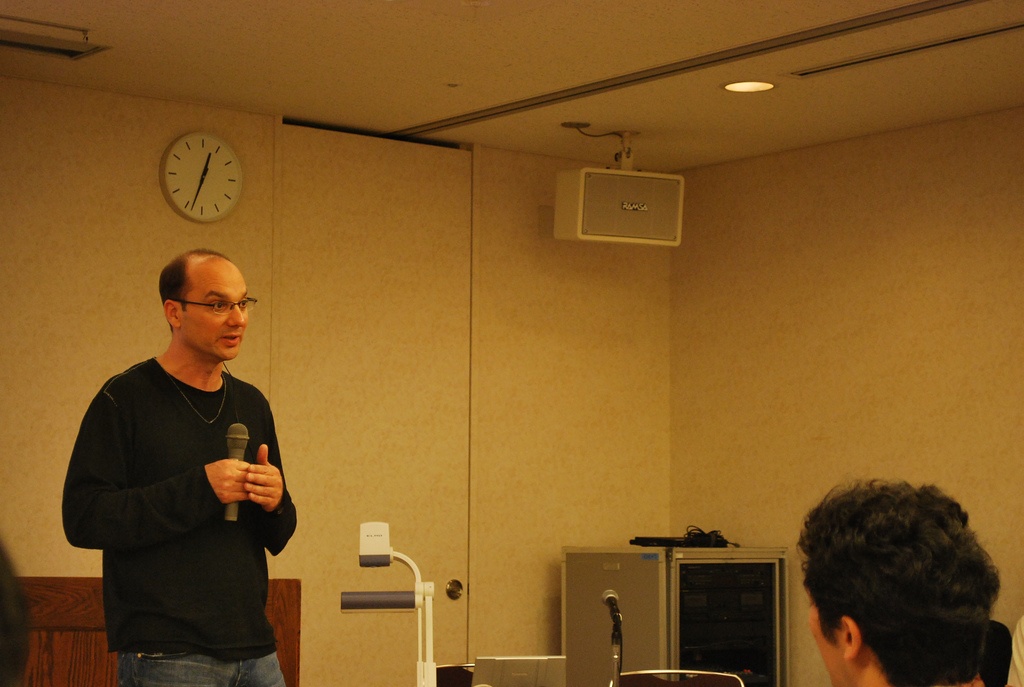
Andy Rubin is regarded as the father of Android, the operating system that is powering billions of smart devices all over the world. Seeing how manufacturers have bastardized his invention, the Google alumni recently unveiled the Essential Phone. Costing $699, this smartphone is meant to be a personalized device to suit the individual needs of customers, but US carriers are not too thrilled about it.
In a recent WIRED article, Rubin outlines his biggest issue with the current mobile market where makers seem reluctant to make any kind of significant move in innovation. The Android creator believes that a lot of it has to do with the fact that smartphone companies are now more concerned with putting as many of their devices in the hands of as many customers as possible.
This has resulted in a sterile environment for smartphones where the devices have become commodities rather than as an expression of individuality. The company has even made it a point to make sure that the Essential Phone will be on the exclusive side in order to limit how many units will be made at any given time, as product architect head Jason Keats said.
“We’ve gone after technologies and methods of manufacturing that aren’t designed to support 50 million devices. We’re not for everybody. You know it’s going to be a little exclusive,” Keats explains.
With regards to its features, there are still a lot of missing details. However, it seems the phone is modular where additional accessories or attachments can be used, similar to the Moto Z. It will also feature actual titanium parts, which even Apple has failed to do.
On that note, it seems carriers are a little reluctant to actually invest in the new phone. Although many US carriers have said that the device will work on their networks, The Verge reports, it seems there are some caveats. Verizon and T-Mobile say that the Essential Phone users might not have access to some advanced features. So far, Sprint is the only carrier that said the device would definitely work on their network.







