


 Trump Administration Appeals Court Order to Release Hudson Tunnel Project Funding
  Trump Says “Very Good Talks” Underway on Russia-Ukraine War as Peace Efforts Continue
  Trump’s Inflation Claims Clash With Voters’ Cost-of-Living Reality
  Nicaragua Ends Visa-Free Entry for Cubans, Disrupting Key Migration Route to the U.S.
  Japan’s Prime Minister Sanae Takaichi Secures Historic Election Win, Shaking Markets and Regional Politics
  Ohio Man Indicted for Alleged Threat Against Vice President JD Vance, Faces Additional Federal Charges
  Ghislaine Maxwell to Invoke Fifth Amendment at House Oversight Committee Deposition
  Anutin’s Bhumjaithai Party Wins Thai Election, Signals Shift Toward Political Stability
  Sydney Braces for Pro-Palestine Protests During Israeli President Isaac Herzog’s Visit
  India–U.S. Interim Trade Pact Cuts Auto Tariffs but Leaves Tesla Out
  China Warns US Arms Sales to Taiwan Could Disrupt Trump’s Planned Visit
  Trump Congratulates Japan’s First Female Prime Minister Sanae Takaichi After Historic Election Victory
  Antonio José Seguro Poised for Landslide Win in Portugal Presidential Runoff
  New York Legalizes Medical Aid in Dying for Terminally Ill Patients
  Trump Allows Commercial Fishing in Protected New England Waters
  Taiwan Says Moving 40% of Semiconductor Production to the U.S. Is Impossible
  U.S. Lawmakers to Review Unredacted Jeffrey Epstein DOJ Files Starting Monday


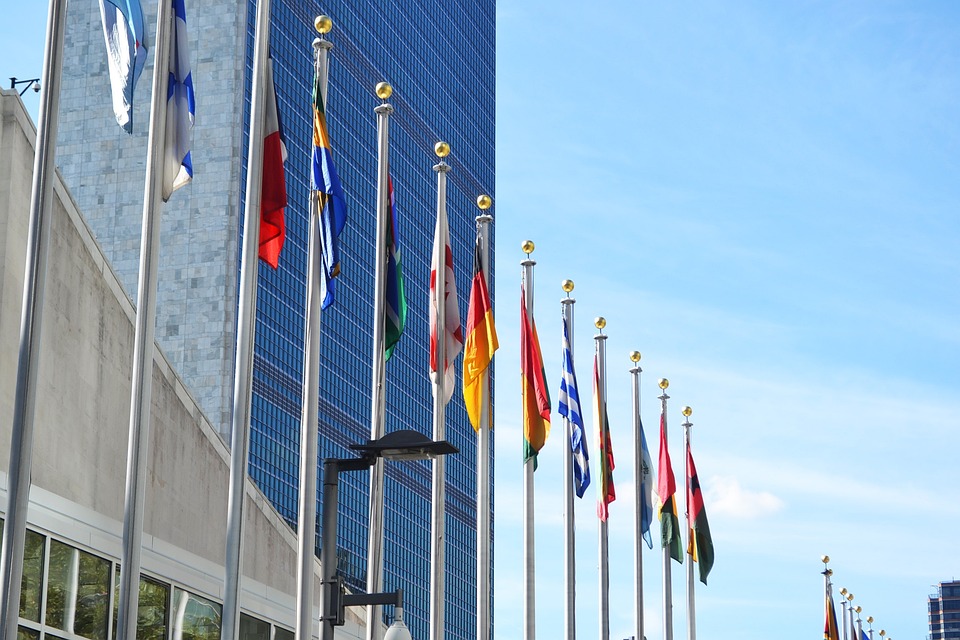
The Taliban’s extended ban on Afghan women has forced the United Nations to make a hard decision on whether to continue operations in the country. The latest extension of the ban is part of the increasingly restrictive policies the Taliban administration in Afghanistan has implemented since retaking control of the country in 2021.
The UN Mission in Afghanistan issued a statement on Tuesday criticizing the insurgent group’s ban on Afghan women working for the UN. This is the latest restriction the insurgent group has implemented on women since banning women from attending school and working for the government.
By December, the Taliban extended the ban to Afghan women working for both local and foreign humanitarian organizations, and early this month extended, it to Afghan women working for the UN.
UNAMA said the ban was “unlawful” and a violation of international law as well as the UN Charter, which means the UN cannot comply with the Taliban’s restrictive policy.
“Through this ban, the Taliban de facto authorities seek to force the United Nations into having to make an appalling choice between staying and delivering in support of the Afghan people and standing by the norms and principles we are duty-bound to uphold,” said UNAMA.
“It should be clear that any negative consequences of this crisis for the Afghan people will be the responsibility of the de facto authorities,” said the statement.
Around 400 Afghan women are working for the UN, with UN humanitarian coordinator for Afghanistan Ramiz Alakbarov saying that the restriction is a violation of the UN charter. Alakbarov stressed to AFP News that no authority could decide who the UN should employ.
UNAMA also said in the statement that after a review of its operations, all of its Afghan staff would not report to work at least until May 5 as it makes “necessary consultations,” the needed adjustments, and increased contingency planning.
The latest restriction on Afghan women has led to widespread international criticism even as the Taliban has been seeking to be recognized internationally since coming back to power in 2021. The restrictions have also resulted in concerns that major donors may decide to pull out from supporting the country’s humanitarian aid program.













