


 Japan Private-Sector Growth Slows as Domestic Demand Weakens
  South Korea, US Discuss Warship Building Cooperation
  Asian Stocks Fall as Bond Yields Surge Ahead of Trump-Xi Summit
  Mexico-US Trade Talks Delayed to October as Tariff Negotiations Continue
  Russian Envoy Dmitriev Heads to US for Ukraine Talks
  Fed Unveils Stablecoin Rules Under GENIUS Act
  RBI Uses $10 Billion Currency Swaps to Drain Excess Rupee Liquidity
  US 10-Year Treasury Yield at 6% Emerges as New Market Risk Threshold
  U.S. 10-Year Treasury Yield Hits 2007 High as Fed Rate Hike Bets Rise
  Asian Stocks Fall as Surging Bond Yields Rattle Markets
  Fed Unveils Stablecoin Rules Under GENIUS Act
  Asian Currencies Mixed as Dollar Holds Near Two-Month High
  Gold Holds Near $4,275 as Rising Treasury Yields Fuel Fed Rate Hike Bets
  China’s ‘Lipstick King’ Says AI Won’t Replace Livestream Hosts
  Wall Street Falls as Treasury Yields Surge, Oil Rebounds on Iran Tensions
  Soybean Futures Slip as Traders Await Trump-Xi Trade Signals


 Add as a preferred source on Google
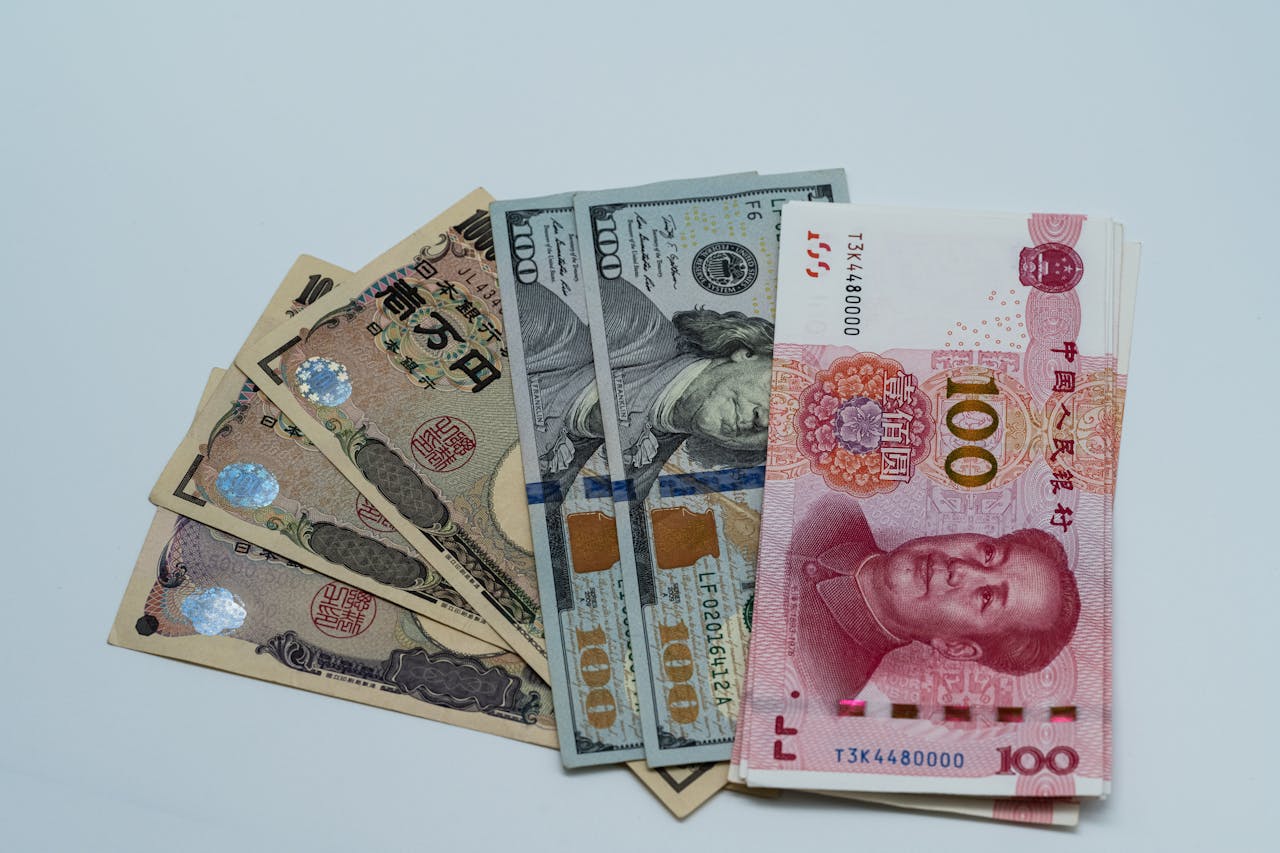
Japan’s yen surged sharply against the U.S. dollar on Friday as currency traders assessed the growing likelihood of official intervention to stabilize the weakening currency. The sudden move in the Japanese yen came amid heightened geopolitical tensions, rising oil prices, record-breaking gold, and cautious global equity markets, creating a complex backdrop for investors.
The yen showed extreme volatility, with two abrupt spikes that fueled speculation Japanese authorities may have conducted a rate check, often seen as a precursor to direct market intervention. According to a source cited by Reuters, the New York Federal Reserve carried out dollar-yen rate checks around midday, intensifying market chatter. The dollar eventually fell 1.66% against the yen to 155.77, while the dollar index dropped 0.84% to 97.47, reflecting broader dollar weakness.
Meanwhile, the Bank of Japan reiterated its readiness to continue raising interest rates despite political sensitivities ahead of a snap election. Japanese Finance Minister Satsuki Katayama said she was closely monitoring currency markets but declined to confirm any intervention. Analysts remained divided on whether Friday’s move was actual intervention or traders positioning ahead of one.
In commodities, oil prices jumped nearly 3% after U.S. President Donald Trump increased pressure on Iran through sanctions on oil-transporting vessels and warned Tehran against escalating nuclear or domestic unrest. U.S. crude settled at $61.07 a barrel, while Brent crude closed at $65.88.
Safe-haven assets surged as well, with gold and silver hitting record highs amid geopolitical uncertainty and falling U.S. Treasury yields. Spot gold rose to $4,981.43 an ounce, approaching the $5,000 mark, while silver climbed above $100 an ounce for the first time. Treasury yields declined ahead of next week’s Federal Reserve meeting, where markets are pricing a 97% chance that interest rates will remain unchanged.
Global equities were mixed, with Wall Street showing muted movement after a volatile week. Investors remained cautious ahead of key economic data, earnings reports from major companies, and ongoing geopolitical developments, including stalled Russia-Ukraine peace talks. Overall, markets reflected a wait-and-see mood as currency intervention fears, geopolitical risks, and central bank decisions dominated investor focus.







