


 SMIC Allegedly Supplies Chipmaking Tools to Iran's Military, U.S. Officials Warn
  NASA's Artemis II Crew Arrives in Florida for Historic Moon Mission
  Samsung Electronics Posts Eightfold Profit Surge Driven by AI Chip Demand
  TSMC Japan's Second Fab to Produce 3nm Chips by 2028
  SK Hynix Eyes Up to $14 Billion U.S. IPO to Fund AI Chip Expansion
  NASA Artemis II: First Crewed Moon Mission Since Apollo Takes Four Astronauts on 10-Day Lunar Journey
  Makemation: a Nollywood movie that shows AI in action in Africa
  Reflection AI Eyes $25 Billion Valuation in Massive $2.5 Billion Funding Round
  Elon Musk Ties SpaceX IPO Access to Mandatory Grok AI Subscriptions
  Microsoft's $10 Billion Japan Investment: AI Infrastructure and Data Sovereignty Push
  Britain Courts Anthropic Amid US Defense Department Dispute
  Google's TurboQuant Algorithm Sends Memory Chip Stocks Tumbling
  Chinese Universities with PLA Ties Found Purchasing Restricted U.S. AI Chips Through Super Micro Servers
  California's AI Executive Order Pushes Responsible Tech Use in State Contracts
  OpenAI Executive Shake-Up Ahead of Anticipated 2026 IPO
  MATCH Act Targets ASML and Chinese Chipmakers in New U.S. Export Crackdown
  Microsoft Eyes $7B Texas Energy Deal to Power AI Data Centers


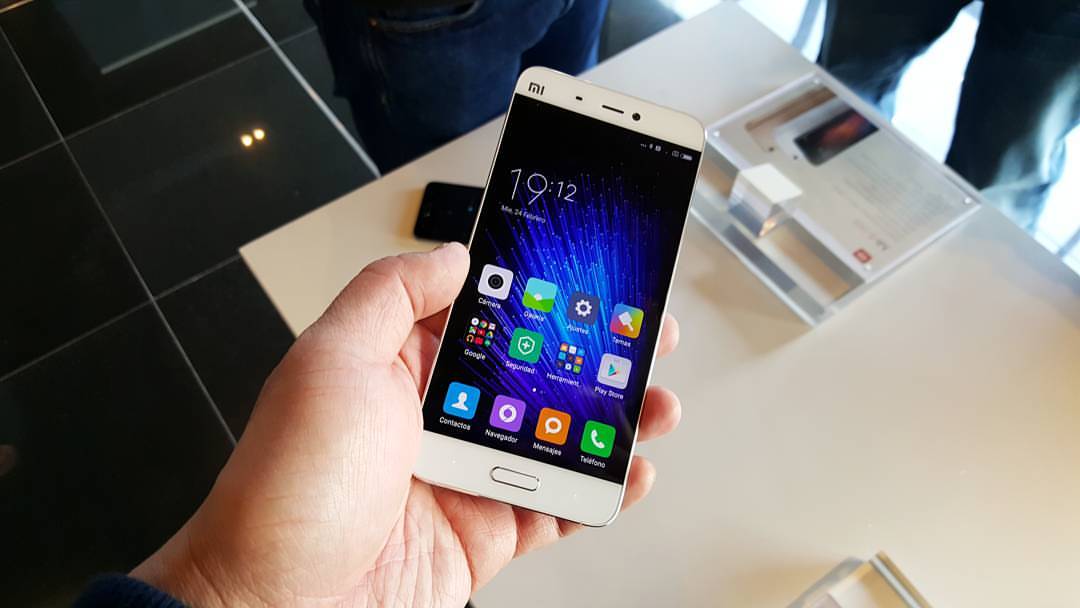
On Tuesday, Chinese smartphone firm Xiaomi Inc unveiled its most aggressive plan yet: a new in-house designed chipset Surge S1, which will be used on its smartphones moving forward. The chipset debuted on the company’s highly-anticipated smartphone, the Mi 5c, Reuters reported. The company claimed that tests have showed its Surge S1 outperformed the widely used Snapdragon 625 by Qualcomm.
Xiaomi Chief Executive Officer Lei Jun said about the company’s decision in delving into chip-making, "We need to master the core technologies of our industry and tightly integrate the development of our hardware with our software helping us to make even better smartphones."
CNET said Xiaomi’s Surge S1 has certainly boosted its status as a serious phonemaker, and has joined the small but noteworthy group which includes market leaders Samsung and Apple and up-and-coming member Huawei.
Mi 5C, which goes up for sale in China on Friday for 1,499 yuan (USD218), is a quite impressive midrange smartphone with the Surge S1 chipset. Forbes said the chip has “four high-performance cores running at 2.2GHz and four low-performance cores running at 1.4 GHz to match the chip’s resources to the running app’s intensity, licenses the Mali T860 MP4 graphics processor to enable features like 4K video resolution, and light-sensitive images. It also comes with 3GB of LPDDR3 RAM plus 64GB of eMMC 5.0 storage, a front-facing fingerprint reader, dual-Nano SIM slots and China Mobile radio with VoLTE support on a smaller, 2,860 mAh battery, making the phone slimmer than Xiaomi’s midrange phone predecessors, Endgadget notes.







