


 Trump Plans Federal AI Force and AI Czar
  fnny Beta Launches With a Simple Idea: Find an Event, Show Up, Get Rewarded
  US Northeast Airports Resume Operations After Telecom Outage Disrupts Thousands of Flights
  NASA, Boeing Discuss Expanding Starliner Missions
  Databricks to Invest $350 Million in Singapore AI Expansion
  FCC Approves Foreign Investment in $110B Paramount-Warner Bros. Deal
  Rosenblatt Starts Nokia at Buy on AI Networking Growth
  Big AI wants to slow down AI research. Is it a safety pause or a strategic retreat?
  Meta CEO Zuckerberg Backs Independent AI Safety Reviews Over Development Slowdown
  Apple Pay Set for India Launch With Axis Bank
  SK Hynix, Intel Discuss U.S. Memory Chip Production Deal
  Volkswagen Shares Slide After 2026 Profit Outlook Cut
  SoftBank Shares Jump 8% as SB Energy IPO Optimism Builds
  Japan, U.S. Discuss $19 Billion GlobalFoundries Chip Plant
  Allegro Raises 2026 Outlook as International GMV Surges
  Westinghouse Targets $50 Billion Valuation in U.S. IPO


 Add as a preferred source on Google
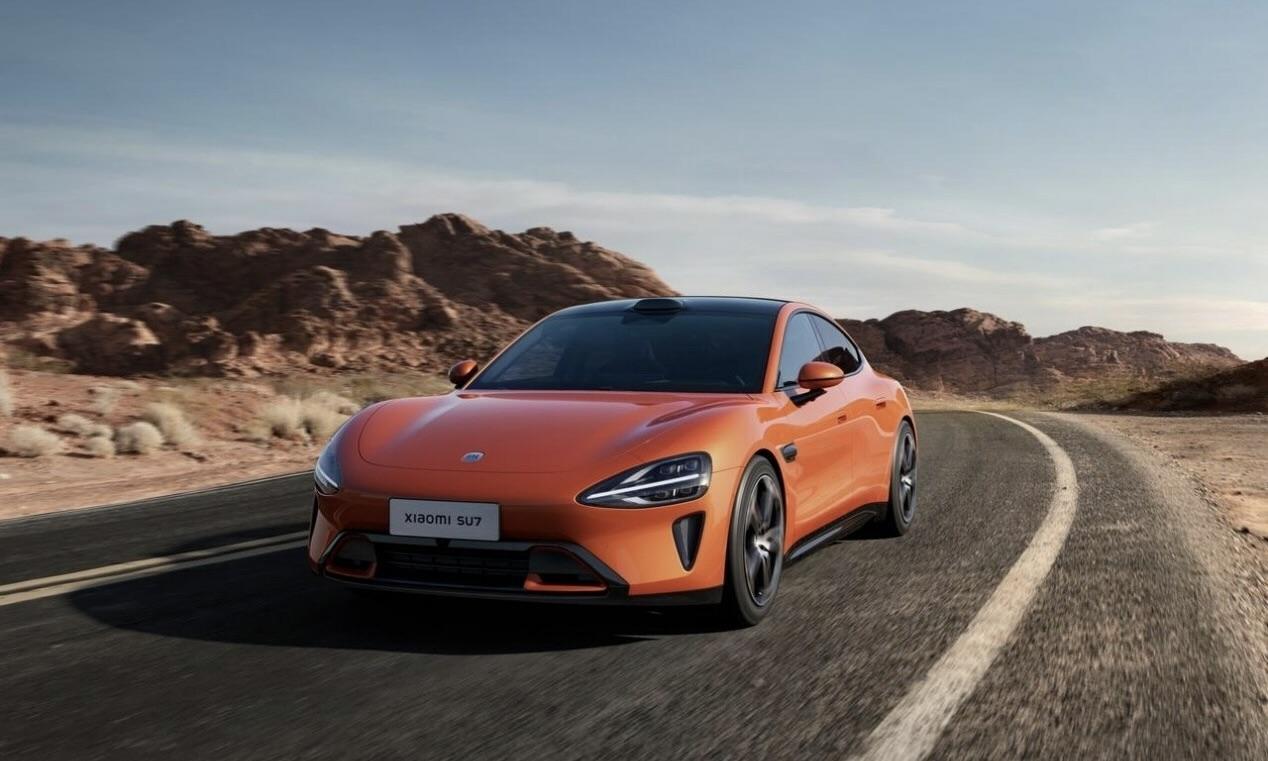
Xiaomi CEO Lei Jun revealed that Trump administration sanctions spurred the company's unexpected entry into China's electric vehicle market, aiming to challenge Tesla.
Xiaomi CEO Lei Jun stated on Friday that the business's plan to construct its first electric automobile was prompted by the Trump administration's decision to penalize the Chinese tech company in early 2021. As part of its goal to diversify its product line, Xiaomi, which is mainly known for smartphones and home appliances, joined China's competitive EV market this year.
Friday, during an annual event in Beijing, Lei claimed that Xiaomi started thinking about creating an electric vehicle following what he referred to as "an accident," an announcement made in the last days of the Trump administration that placed the Chinese business on a U.S. sanction list.
Sanctions Lead to Diversification
A friend of mine called me to inform me that we had been fined. According to Lei, "it was like a bolt from the blue." He went on to say that that was the day that Xiaomi called an emergency board meeting, which began the company's mad dash to create an electric vehicle. Lei, who has become famous in China for her extravagant live-streamed product unveilings, expressed regret about her hasty entry into the difficult automobile business, saying, "If it weren't for the huge impact of the unexpected U.S. sanctions."
Reuters shares that more than 1.5 million people watched Friday's event on WeChat, where Lei explained Xiaomi's plan to introduce an electric vehicle that will compete with Tesla and well-known luxury brands like BMW, Audi, and Mercedes.
In May of that year, Xiaomi succeeded in having the penalties that were supposed to limit investment from the United States reversed after challenging them in federal court. The SU7, an electric vehicle with a sporty design reminiscent of Porsche that starts at less than $30,000, was reportedly under development at that point by Lei.
According to Lei, Xiaomi declined a $10 billion offer from venture capitalists to finance its early-stage electric vehicle operations.
Xiaomi’s Ambitious EV Goals
This year, Xiaomi aims to sell 120,000 SU7 EVs and deliver 100,000 of them. This is a considerable jump from earlier this year when the firm estimated it could produce 76,000 vehicles in its first year of operation when it established its sales goal.
Per MSN, as of the end of June, the company had supplied more than 25,000 EVs, according to Lei, and by November, they hoped to have reached their 100,000-unit goal.
He attributed the company's need to diversify to the sanctions, which he said were a result of an accident that occurred three years ago, because of fears that they might hurt the smartphone business.
Only in China can you get your hands on the SU7. The goal, according to Lei, was for Xiaomi to join the ranks of the world's five largest car manufacturers.
Trump’s Impact on EV Industry
In his acceptance speech for the Republican presidential nomination on Thursday, Donald Trump mentioned the electric vehicle (EV) industry and promised to reverse strict vehicle pollution standards, which would hasten the transition to EVs.
While Trump has pledged to encourage Chinese investment in American manufacturing facilities, he has also threatened to impose import duties of up to 200% on Chinese electric vehicles manufactured in Mexico if elected in November.







