


 Nanya Technology Shares Surge 10% After $2.5 Billion Private Placement from Sandisk and Cisco
  Microsoft Eyes $7B Texas Energy Deal to Power AI Data Centers
  Apple Turns 50: From Garage Startup to AI Crossroads
  SpaceX Eyes Historic IPO at $1.75 Trillion Valuation
  OpenAI Executive Shake-Up Ahead of Anticipated 2026 IPO
  SK Hynix Eyes Up to $14 Billion U.S. IPO to Fund AI Chip Expansion
  MATCH Act Targets ASML and Chinese Chipmakers in New U.S. Export Crackdown
  Makemation: a Nollywood movie that shows AI in action in Africa
  Annie Altman Amends Sexual Abuse Lawsuit Against OpenAI CEO Sam Altman
  Reflection AI Eyes $25 Billion Valuation in Massive $2.5 Billion Funding Round
  Federal Judge Blocks Pentagon's Blacklisting of AI Company Anthropic
  Chinese Universities with PLA Ties Found Purchasing Restricted U.S. AI Chips Through Super Micro Servers
  TSMC Japan's Second Fab to Produce 3nm Chips by 2028
  Rubio Directs U.S. Diplomats to Use X and Military Psyops to Counter Foreign Propaganda
  Samsung Electronics Posts Eightfold Profit Surge Driven by AI Chip Demand
  China's Push to Steal Taiwan's Chip Technology and Talent Raises Security Alarms
  Britain Courts Anthropic Amid US Defense Department Dispute


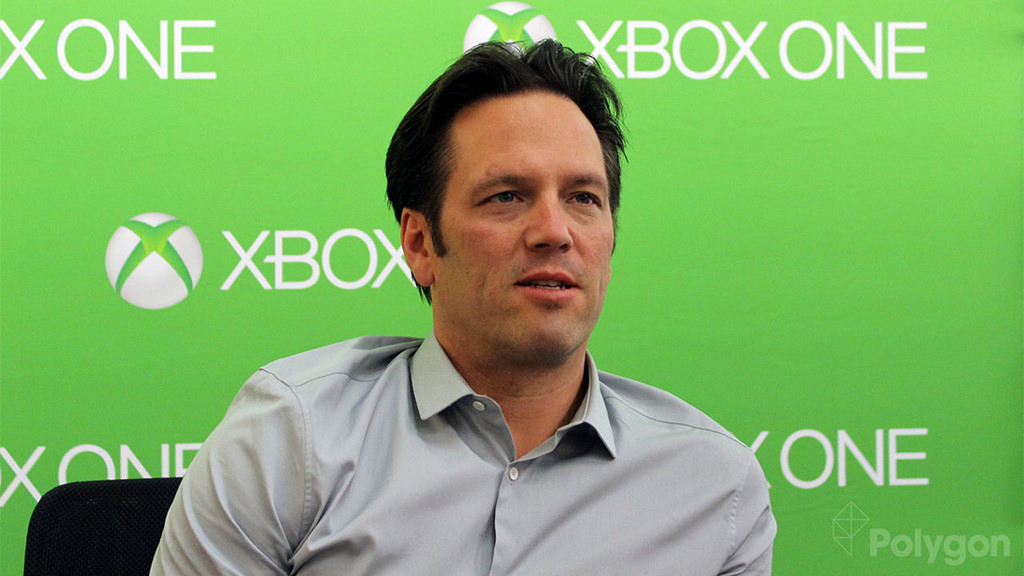
For the longest time, video game consoles had a rather predictable system in place called Generations. Since the 80s, companies churned out newer, more powerful gaming systems a few years after their last one. According to Xbox boss Phil Spencer, this is going to change with their console being the first to emulate how PC gaming works.
In a recent interview with Gamasutra, Spencer talked about the future of the Xbox One Scorpio, indicating that there might no longer be a generational evolution in play. Instead, what Microsoft will be offering is a singular system that can be upgraded over time but where gamers can still play with titles that worked on previous setups.
“From a development platform, we needed to think about our hardware as multi-generational,” Spencer said. “Because we said 'Okay, there's gonna be games that are going to live multiple generations. And our software platform really has to service a developer's need to service an ongoing set of users.’”
In a lot of ways, this kind of development makes sense since it would certainly remove a lot of the obstacles that are preventing video game studios from taking advantage of the capabilities of consoles that just came out. A good example of a video game that really took advantage of a game box’ capabilities is Horizon: Zero Dawn on the PlayStation 4 and even that didn’t really take the console to its limits.
By using just one system that can be upgraded over time, developers will be able to create games that perform their best from the get-go. Erik Kain over at Forbes also agrees that this is pretty much the direction that the console industry is heading anyway.
On the other hand, it also presents gamers with a dilemma since turning a console into something like a PC would then put them in a bind. Would buying a PC be better, then, since it provides more features? Ultimately, how this all plays out will be determined by how Microsoft handles the concept down the road.







