


 Debate over H-1B visas shines spotlight on US tech worker shortages
  Stuck in a creativity slump at work? Here are some surprising ways to get your spark back
  The American mass exodus to Canada amid Trump 2.0 has yet to materialize
  AI is driving down the price of knowledge – universities have to rethink what they offer
  The ghost of Robodebt – Federal Court rules billions of dollars in welfare debts must be recalculated
  The Beauty Beneath the Expressway: A Journey from Self to Service
  Why have so few atrocities ever been recognised as genocide?
  Can your cat recognise you by scent? New study shows it’s likely
  Booked to travel through the Middle East? Here’s why you shouldn’t cancel your flight
  6 simple questions to tell if a ‘finfluencer’ is more flash than cash
  Locked up then locked out: how NZ’s bank rules make life for ex-prisoners even harder
  Every generation thinks they had it the toughest, but for Gen Z, they’re probably right
  Want to cut your energy bills? Here’s how five experts are doing it
  Why a ‘rip-off’ degree might be worth the money after all – research study
  Glastonbury is as popular than ever, but complaints about the lineup reveal its generational challenge
  Time to buy local: war fuel price shocks reveal the folly of a long food supply chain


 Add as a preferred source on Google
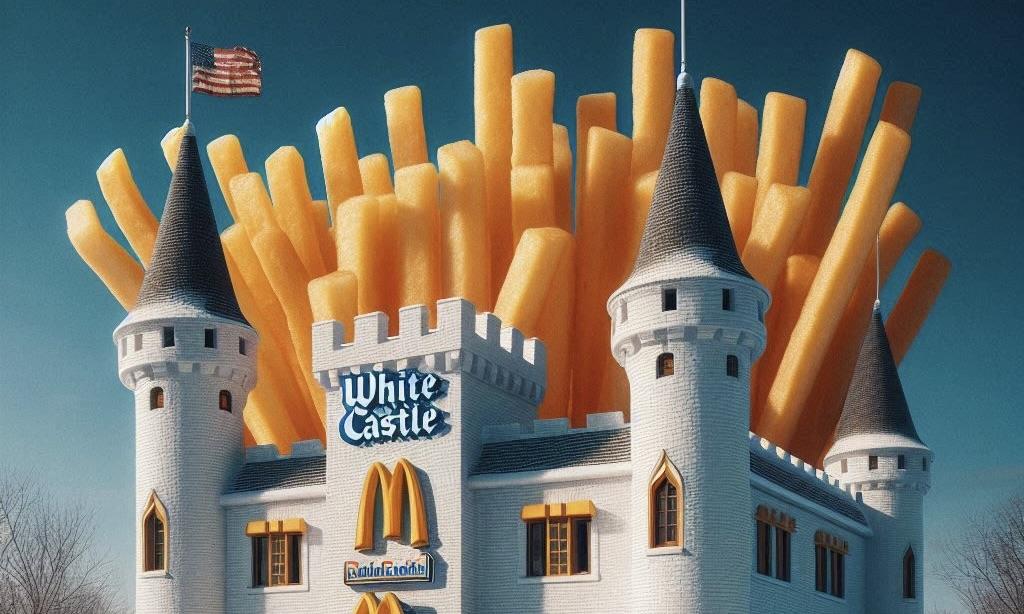
While McDonald's fries may be world-famous today, the honor of introducing French fries to fast food goes to White Castle. In the 1940s, during WWII, White Castle adapted its menu to meet rationing restrictions, adding fries as a popular alternative to meat-heavy dishes.
White Castle: The First Fast-Food Chain to Add French Fries Amid WWII Rationing
McDonald's reigns as the most prominent global chain in the fast-food industry, per Chowhound. It is known for its significant influence and enduring popularity despite occasional missteps like the Hula Burger—a pineapple slice on a bun in the 1960s—and McDonald’s hot dogs in the 1990s. Much of McDonald’s success can be attributed to its consistent approach rather than taking significant culinary risks. McDonald’s wasn’t even the first to introduce French fries to the American fast-food scene.
That distinction belongs to White Castle, a smaller yet equally iconic brand widely recognized as the first fast-food restaurant. Founded in 1921 in Wichita, Kansas, White Castle added French fries to its menu in the mid-1940s during World War II to respond to the era's strict rationing policies on essential goods like meat, sugar, and butter. With limited access to hamburger meat, White Castle adapted by offering alternative menu items, including egg sandwiches, chili, and grilled cheese, along with vegetables like coleslaw and, eventually, French fries. The coleslaw was removed once the war and rationing restrictions lifted, but fries had become a popular fixture.
McDonald’s Transition to French Fries in 1949 Paved the Way for Its Global Success
Meanwhile, Richard and Maurice McDonald originally served potato chips alongside burgers at their San Bernardino, California restaurant but opted to switch to French fries in 1949, a year after opening their now-famous hamburger stand. This shift caught the attention of Ray Kroc, who would go on to expand McDonald's into a global empire. Kroc became captivated by the McDonald brothers’ fries and, after purchasing the franchise rights, scaled up French fry production with intense focus, establishing them as a staple of the McDonald’s menu worldwide.
While McDonald's fries may be among the most famous today, White Castle introduced the beloved side to the fast-food world, laying the foundation for one of America’s most famous pairings: burgers and fries.







