


 US Eyes Refinery Boost as Trump Seeks Relief From High Gas Prices
  Oil Prices Rise as U.S.-Iran Tensions Grip Strait of Hormuz
  Why your retirement fund might soon include cryptocurrency
  China's Refining Industry Faces Major Shakeup Amid Challenges
  US Stock Futures Steady as Cooling Inflation and Strong Earnings Support Markets
  Canada Faces 50% U.S. Tariffs as Trade Tensions Threaten USMCA Talks
  US Dollar Hovers Near Multi-Month Lows as Fed Rate Hike Bets Ease
  South Korea to End Short-Selling Ban as Financial Market Uncertainty Persists
  Insignia Financial Shares Hit 3-Year High Amid Bain and CC Capital Bidding War
  Gold Prices Rise as Markets Await Trump’s Policy Announcements
  European Stocks Rally on Chinese Growth and Mining Merger Speculation
  Why the Middle East is being left behind by global climate finance plans
  Gold is meant to be a ‘safe haven’ in uncertain times. Why is it crashing amid a war?
  SoftBank Eyes Up to $25B OpenAI Investment Amid AI Boom
  Apple Downgraded by Jefferies Amid Weak iPhone Sales and AI Concerns
  UK Markets Face Rising Volatility as Hedge Funds Target Pound and Gilts


 Add as a preferred source on Google
We have just witnessed an oil price crash like never before taking prices of West Texas Intermediate into deeply negative territory.
The spot price of West Texas, the US benchmark, reached minus US$40.32 a barrel and the May futures price (which is deliverable in a physical form) went to minus US$37.63 a barrel, the lowest price in the history of oil futures contracts.
There has been no better indicator of the extent of the economic impacts of coronavirus. With borders closed and much of the world’s population being urged to stay at home, transport has come to a near halt.
How can a price turn negative?
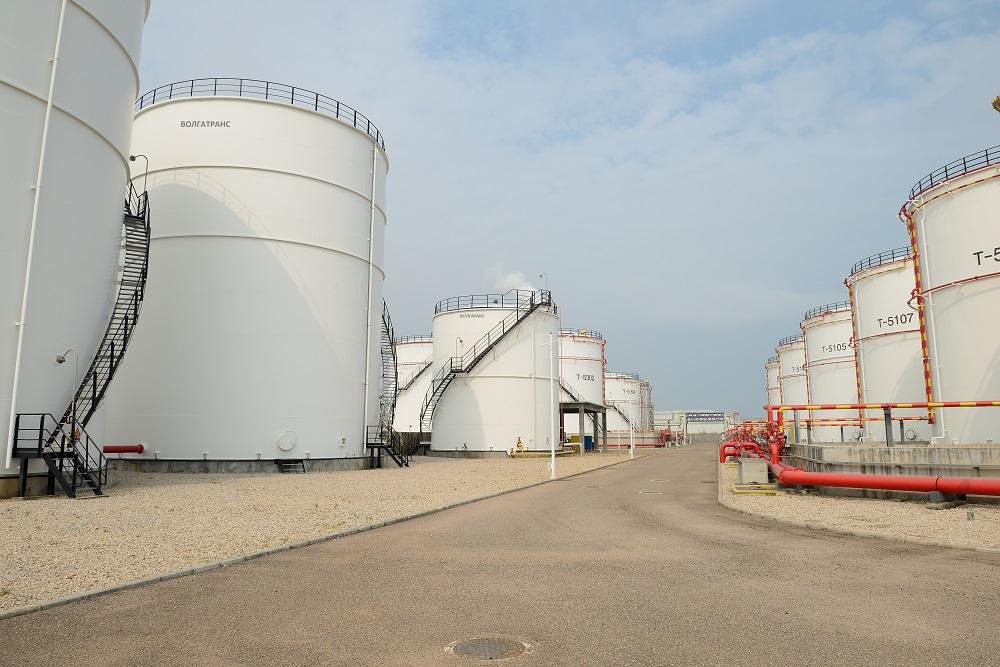
The industry has not been able to slow production fast enough to counter the drop in demand. The other mechanism that normally stabilises prices, US oil storage, appears to be nearing capacity.
West Texas Intermediate is typically stored at the Cushing facility in Oklahoma which is on the way to being full.
Cushing is said to be able to hold 62 million barrels of oil – enough to fill all the tanks of half the cars in United States.
That’s why prices have gone negative. Traders with contracts to take delivery of oil in May fear they won’t be able to store it. They are willing to pay not to have to take it and have nowhere to put it.
Not all oil contracts went negative. West Texas Intermediate contracts for June and subsequent months are still positive, reflecting a feeling that the supply and demand imbalance will soon be corrected.
Brent, the international price benchmark, remained positive, dropping to US$25.57 – a fall of about 9%. Unlike West Texas Intermediate, Brent deliveries can be put on ships and transported to storage facilities anywhere in the world.
Not confined to the US
There is no guarantee the problems of storage evident in the US won’t spread to other markets.
This is despite the decision of OPEC-Plus (the mainly Middle Eastern member of the Organisation of the Petroleum Exporting Countries plus Russia and other former Soviet states) to respond to the free fall by cutting output by 9.7 million barrels per day, ending the recent duel over production levels between OPEC and Russia.
Adding another element to the COVID-19 story, on March 9, the day of the Black Monday stock market crash, the Chicago Mercantile Exchange reported a new daily record for West Texas Intermediate trading, reaching 4.8 million contracts, surpassing the 4.3 million recorded on September 2019 following the drone attacks on Saudi oil facilities.
The future does not look good. With rising unemployment, stuttering economies, and collapsing financial markets the prospects for substantial recovery in the oil markets seems far away.
The US, these days an exporter itself through shale oil, will suffer in the same way as traditional exporters in the Middle East.
Historically, oil markets have been considered good at predicting recessions, although in this case the causation might go the other way.
At this point the industry might be starting to consider that the best place to store oil is a natural one – leaving it in the ground.
Christina Nikitopoulos has received funding from the Australian Research Council.
Warren Hogan does not work for, consult, own shares in or receive funding from any company or organisation that would benefit from this article, and has disclosed no relevant affiliations beyond their academic appointment.







