


 TrumpRx Website Launches to Offer Discounted Prescription Drugs for Cash-Paying Americans
  CK Hutchison Launches Arbitration After Panama Court Revokes Canal Port Licences
  Nvidia, ByteDance, and the U.S.-China AI Chip Standoff Over H200 Exports
  Ford and Geely Explore Strategic Manufacturing Partnership in Europe
  OpenAI Expands Enterprise AI Strategy With Major Hiring Push Ahead of New Business Offering
  Once Upon a Farm Raises Nearly $198 Million in IPO, Valued at Over $724 Million
  Instagram Outage Disrupts Thousands of U.S. Users
  Prudential Financial Reports Higher Q4 Profit on Strong Underwriting and Investment Gains
  Nasdaq Proposes Fast-Track Rule to Accelerate Index Inclusion for Major New Listings
  Uber Ordered to Pay $8.5 Million in Bellwether Sexual Assault Lawsuit
  SoftBank Shares Slide After Arm Earnings Miss Fuels Tech Stock Sell-Off
  Tencent Shares Slide After WeChat Restricts YuanBao AI Promotional Links
  Sony Q3 Profit Jumps on Gaming and Image Sensors, Full-Year Outlook Raised
  Alphabet’s Massive AI Spending Surge Signals Confidence in Google’s Growth Engine
  Global PC Makers Eye Chinese Memory Chip Suppliers Amid Ongoing Supply Crunch
  Weight-Loss Drug Ads Take Over the Super Bowl as Pharma Embraces Direct-to-Consumer Marketing
  Hims & Hers Halts Compounded Semaglutide Pill After FDA Warning


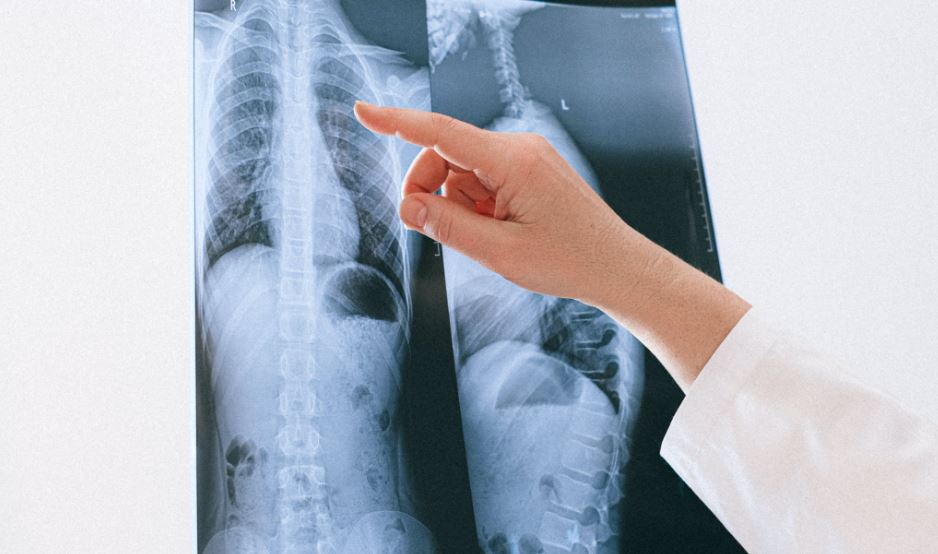
In the past century, millions of hard-working Americans were exposed to asbestos. This material was used as a fire-retardant insulator in many industrial, commercial, and manufacturing settings. The fibers from asbestos were commonly inhaled since protective gear was not provided.
Years later, as many workers developed mesothelioma, it became a growing concern. Mesothelioma is a cancer that affects the lining found around the heart, lungs, and abdomen. If you’ve worked in certain industries, you should know more about this type of cancer and how it is caused.
Causes of Mesothelioma
The most common cause of mesothelioma is by having exposure to asbestos in settings such as oil refineries, power plants, asbestos mines, and shipyards. Even if you never worked in one of those settings, there are other ways that you could come into contact with these cancer-causing fibers.
Anyone working in construction, particularly in demolition, may be exposed to asbestos in older homes and buildings. Those that work in the auto industry are also exposed to asbestos through brake and clutch pads. You don’t even need to work in an industry where asbestos exposure was or is currently common. If you live near an asbestos mine, you may be exposed to these fibers. If you make any home repairs or renovations on your home, you could come into contact with asbestos without even realizing it.
How Does Asbestos Lead to Mesothelioma?
It only makes sense to understand how asbestos can cause you to develop this form of cancer. Years ago, it was commonly used in construction materials including tile and drywall. It was used in vehicle parts, fireproof clothing, military facilities, and in many industrial settings.
While use of it was restricted in the 1970s, it still exists in certain places. When asbestos is disturbed in some kind of way, such as in the demolition of a building, the fibers can get into the air and workers or anyone around can inhale them. In time, the asbestos fibers build up in the lungs. This can lead to mesothelioma for countless hard-working people and their families. Construction workers, mechanics, military service members, industrial workers, and many more may have been exposed to this dangerous material if they were not using protective equipment.
The families of these workers can also suffer from these toxic substances as these fibers can attach to clothing, hair, and skin. This secondhand exposure can cause mesothelioma for the families of those who worked with or near asbestos. Additionally, it was used in the manufacturing of many common household goods including appliances and cosmetics.
In short, anyone can be exposed to asbestos by inhaling these tiny fibers. When they embed in the mesothelial linings, they can cause inflammation and then irritate the cells. This changes the natural cell division process and in time, can develop into mesothelioma.
What Are the Symptoms of Mesothelioma?
Mesothelioma symptoms will vary based on the type, though all three kinds of mesothelioma do share some common symptoms. Those symptoms include weight loss, decreased appetite, and night sweats.
Take a look at the three types of mesothelioma to learn more about the specific symptoms.
Pleural Mesothelioma
This type of mesothelioma affects the lining around the lungs and is the most common version of the disease. You may experience shortness of breath even while resting, weight loss, pain underneath your rib cage, and have a cough that never goes away.
Peritoneal Mesothelioma
Peritoneal mesothelioma impacts the lining around your intestines. You may have abdominal swelling and pain, nausea, bowel obstructions, weight loss, frequent diarrhea or constipation, fever, and blood clotting. Additionally, you may experience the development of a tissue mass in your abdomen.
Pericardial Mesothelioma
This form of mesothelioma affects the lining around the heart, causing fluid to build up in between it and the heart. If you have pericardial mesothelioma, you may experience irregular heartbeat and breathing patterns, chest pain, fatigue, and cough.
Since mesothelioma is a type of cancer, it has the potential to spread to other parts of your body. You may experience pain in other parts of your body and the inflammation it causes may cause difficulty in swallowing.
It is very common for some of these symptoms to mimic those of common colds or the everyday aches and pains associated with aging. Mesothelioma often doesn’t appear for 20 to 50 years after exposure, which makes it very difficult to get a timely diagnosis.
When Should You See a Doctor About Mesothelioma?
If you or a member of your household worked in any industry that could have exposed you to asbestos at some point in your life or you lived near an asbestos mine, you will want to get checked by a doctor. You should do this whether you are experiencing any unexplained pains or symptoms or even if you feel fine.
Mesothelioma is rare, and it is not uncommon for it to be missed since there is such a large gap in time from the point of exposure to when symptoms develop. Often, it is mistaken for upper respiratory infections, pneumonia, bronchitis, asthma, or chronic pulmonary obstructive disorder. In some cases, it may even be misdiagnosed as a type of lung cancer. You may want to consider obtaining a second medical opinion to ensure you are properly diagnosed.
What Can You Do If You Receive a Diagnosis for Mesothelioma?
It can be incredibly upsetting to find out that after years of hard work, you have mesothelioma. However, you can take action by filing a mesothelioma lawsuit. These industries and the workplaces within them are mandated by federal and state regulations when it comes to asbestos.
They must provide protective gear to reduce your risk of inhaling these volatile particles. They must also train all workers on how to work safely around asbestos and other dangerous substances. If you think an employer that you worked for did not do what was required to prevent asbestos exposure, you may have a valid claim and be able to hold them liable for your damages.
This article does not necessarily reflect the opinions of the editors or management of EconoTimes.













