


 US Appeals Court Keeps Trump IRS Case Sanctions in Place
  Trump Denies Offering Iran Sanctions Relief for Nuclear Concessions
  Denmark Expects Long-Term NATO Presence in Greenland, Arctic
  UN Condemns Myanmar Airstrike That Kills 50 in Rakhine
  US Alcohol Ban Exposes Canada’s Internal Trade Barriers
  Russian Drone Strikes Kill Nine Across Ukraine, Hit Kyiv Science Academy
  Israeli Settlers Attack West Bank Village, Block Palestinian Family’s Return
  Senate Democrats Say Tether USDT Helps Iran Evade Sanctions
  White House Blames Democrats as CLARITY Act Stalls
  UK Police Probe Foreign State Link in RAF Fairford Plot
  UN Extends Haiti Security Force Mandate Ahead of Elections
  California Bans Memecoins Issued by Public Officials Under New Law
  Judge Blocks Trump Election Conditions on Counterterrorism Grants
  US Plans Iran Sanctions Waiver for Pilgrim Flights to Iraq
  Trump, Tech Leaders Sign ‘Morally Binding’ AI Safety Accord
  US Forces Exit Iraq as Iran Influence and ISIS Risks Grow
  Trump Eyes $54 Billion South Korean Investment in Alaska LNG


 Add as a preferred source on Google
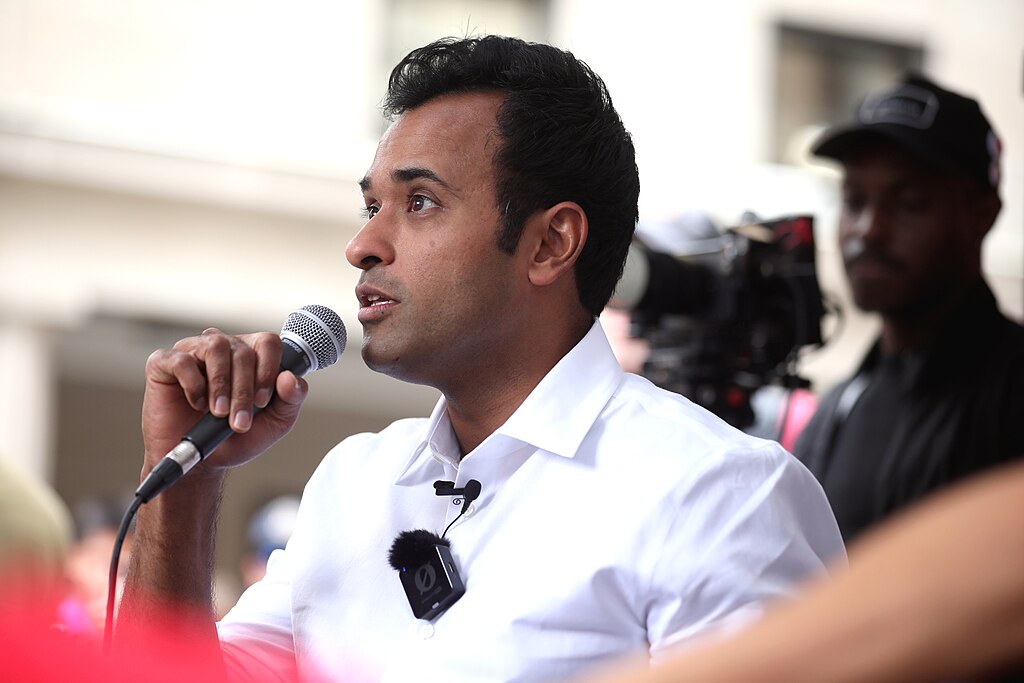
Entrepreneur and former presidential candidate Vivek Ramaswamy is raising eyebrows with his latest proposal to implement sweeping reforms to the U.S. government, modeled after Argentine President Javier Milei’s dramatic cuts, but with what he describes as an intensified approach. Critics and supporters alike are locked in heated debate over the radical vision.
Ramaswamy’s approach, inspired by Milei’s libertarian ideology, promises to eliminate unnecessary bureaucracies, streamline agencies, and reduce federal overreach to an unprecedented degree. While he has long been an advocate of small government, this proposal signifies an aggressive pivot toward a minimalist federal structure, which he touts as the solution to America’s economic and administrative inefficiencies.
Speaking at a policy forum, Ramaswamy outlined his vision, calling for "bold, decisive action" to tackle what he termed “decades of bureaucratic bloat.” His proposed cuts span a range of departments and programs, targeting agencies he argues have overstepped their original mandates or become redundant due to state-level alternatives.
The Proposal: What’s on the Chopping Block?
Ramaswamy’s reform plan includes:
- Drastic Downsizing of Federal Agencies: Departments like Education and Commerce could see significant budget reductions or complete dissolution. He argues that education oversight is best left to state governments.
- Privatization and Deregulation: Ramaswamy proposes the privatization of non-essential federal functions and slashing regulations that hinder business growth, particularly in energy and technology.
- Tax Simplification: His plan includes reducing income tax brackets and eliminating certain corporate tax loopholes to create a more streamlined revenue system.
In addition to these changes, Ramaswamy is calling for greater fiscal accountability from government contractors, which he claims have contributed to “wasteful spending” in sectors such as defense and infrastructure.
Praise and Criticism
Ramaswamy’s bold agenda has drawn praise from libertarian and conservative circles, with proponents lauding his commitment to reducing the federal government’s footprint. They argue that his plan could spur economic growth, reduce the deficit, and restore power to state and local governments.
However, critics are sounding alarms over the potential fallout of such drastic measures. Progressive lawmakers and policy analysts have warned that scaling back federal agencies could erode vital programs, including those that address education disparities, healthcare access, and environmental protections. Some have labeled the proposal as “reckless,” accusing Ramaswamy of disregarding the broader societal impact of these cuts.
Economists remain divided on the long-term implications. While some agree that reducing government inefficiency could yield economic benefits, others caution that abrupt changes could destabilize critical sectors and leave vulnerable populations without a safety net.
A Comparison to Milei
Javier Milei’s libertarian reforms in Argentina, which Ramaswamy credits as an inspiration, have been a polarizing topic. Milei’s policies include the elimination of entire ministries and a push toward dollarization, which have sparked both optimism and apprehension. Ramaswamy’s approach differs in its focus on American federalism but retains the same spirit of aggressive reform.
What’s Next?
Ramaswamy’s proposal has ignited a fierce political debate, setting the stage for potential legislative battles should his vision gain traction among lawmakers. For now, the entrepreneur-turned-politician continues to rally support for what he describes as a once-in-a-generation opportunity to reimagine the U.S. government.







