


 Palantir Stock Jumps After Strong Q4 Earnings Beat and Upbeat 2026 Revenue Forecast
  SoftBank and Intel Partner to Develop Next-Generation Memory Chips for AI Data Centers
  OpenAI Expands Enterprise AI Strategy With Major Hiring Push Ahead of New Business Offering
  Jensen Huang Urges Taiwan Suppliers to Boost AI Chip Production Amid Surging Demand
  Oracle Plans $45–$50 Billion Funding Push in 2026 to Expand Cloud and AI Infrastructure
  Nvidia CEO Jensen Huang Says AI Investment Boom Is Just Beginning as NVDA Shares Surge
  SpaceX Reports $8 Billion Profit as IPO Plans and Starlink Growth Fuel Valuation Buzz
  Elon Musk’s SpaceX Acquires xAI in Historic Deal Uniting Space and Artificial Intelligence
  Anthropic Eyes $350 Billion Valuation as AI Funding and Share Sale Accelerate
  Google Cloud and Liberty Global Forge Strategic AI Partnership to Transform European Telecom Services
  Nvidia, ByteDance, and the U.S.-China AI Chip Standoff Over H200 Exports
  Global PC Makers Eye Chinese Memory Chip Suppliers Amid Ongoing Supply Crunch
  Tencent Shares Slide After WeChat Restricts YuanBao AI Promotional Links
  Nvidia Confirms Major OpenAI Investment Amid AI Funding Race
  Elon Musk’s Empire: SpaceX, Tesla, and xAI Merger Talks Spark Investor Debate


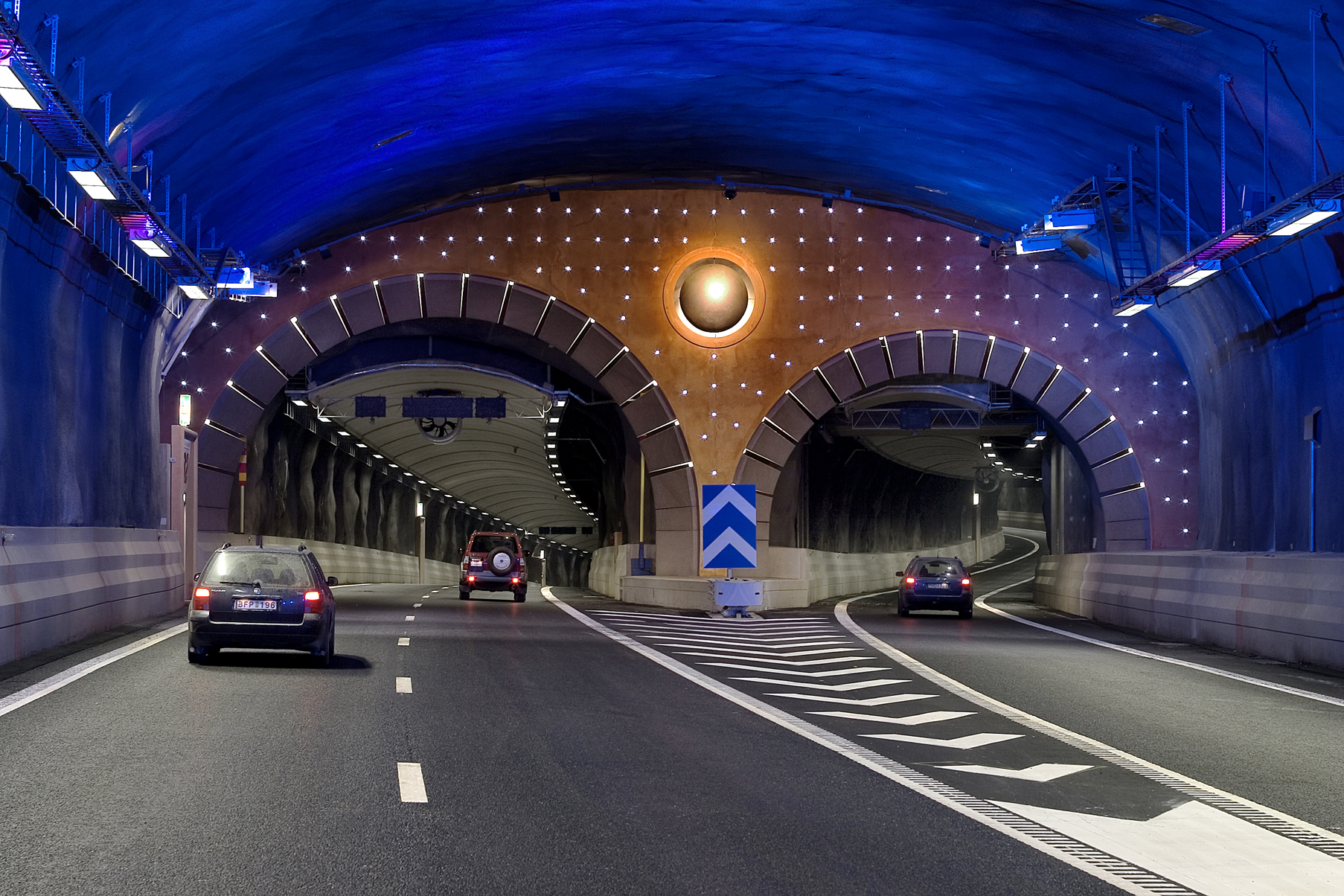
For months now, trailblazer tech billionaire Elon Musk has been providing hints at his ambitions to create a series of underground tunnels to help alleviate the worsening traffic in some of the biggest cities in the US. The Tesla boss finally unveiled how his Boring Company could achieve this while also hinting at possible Hyperloop conjunction.
The new details were revealed during a TED Talk that was held in Vancouver, Canada last Friday where Musk talked about his plans for the future. One of those plans include drilling into the earth to create underground highways for cars to travel under to avoid heavy traffic, CNET reports. The billionaire showed a video of how this could come about as well and the method is certainly novel.
In the video, a platform can take vehicles down from the surface streets, through the tunnel, and then back up to the roads again. Based on the idea that the footage is showing, the underground roads seem to be inherently dependent on these platforms, which effectively removes control from the drivers. It would certainly help alleviate traffic, but diesel heads likely won’t find it too enticing.
Aside from helping drivers avoid those nasty traffic jams, it would seem that the Boring Company will also have an effect on the fabled Hyperloop concept that Musk had envisioned. According to Inverse, Musk thinks that the underground tunnel would be able to provide the kind of pressure that would be perfect for pods to travel through.
The Tesla boss also noted that people can drill as far as they want, which, in the case of the Hyperloop would mean cross-continent travel. This would be ideal as well since travel between countries or continents would be best done underground to avoid the obstacles that are typically found on the surface.













