


 Alphabet’s Massive AI Spending Surge Signals Confidence in Google’s Growth Engine
  SpaceX Pushes for Early Stock Index Inclusion Ahead of Potential Record-Breaking IPO
  Trump Backs Nexstar–Tegna Merger Amid Shifting U.S. Media Landscape
  Tencent Shares Slide After WeChat Restricts YuanBao AI Promotional Links
  Baidu Approves $5 Billion Share Buyback and Plans First-Ever Dividend in 2026
  SoftBank Shares Slide After Arm Earnings Miss Fuels Tech Stock Sell-Off
  Global PC Makers Eye Chinese Memory Chip Suppliers Amid Ongoing Supply Crunch
  Nvidia, ByteDance, and the U.S.-China AI Chip Standoff Over H200 Exports
  Nvidia CEO Jensen Huang Says AI Investment Boom Is Just Beginning as NVDA Shares Surge
  FDA Targets Hims & Hers Over $49 Weight-Loss Pill, Raising Legal and Safety Concerns
  Toyota’s Surprise CEO Change Signals Strategic Shift Amid Global Auto Turmoil
  OpenAI Expands Enterprise AI Strategy With Major Hiring Push Ahead of New Business Offering
  Amazon Stock Rebounds After Earnings as $200B Capex Plan Sparks AI Spending Debate
  Once Upon a Farm Raises Nearly $198 Million in IPO, Valued at Over $724 Million
  Uber Ordered to Pay $8.5 Million in Bellwether Sexual Assault Lawsuit
  SpaceX Prioritizes Moon Mission Before Mars as Starship Development Accelerates
  Sony Q3 Profit Jumps on Gaming and Image Sensors, Full-Year Outlook Raised


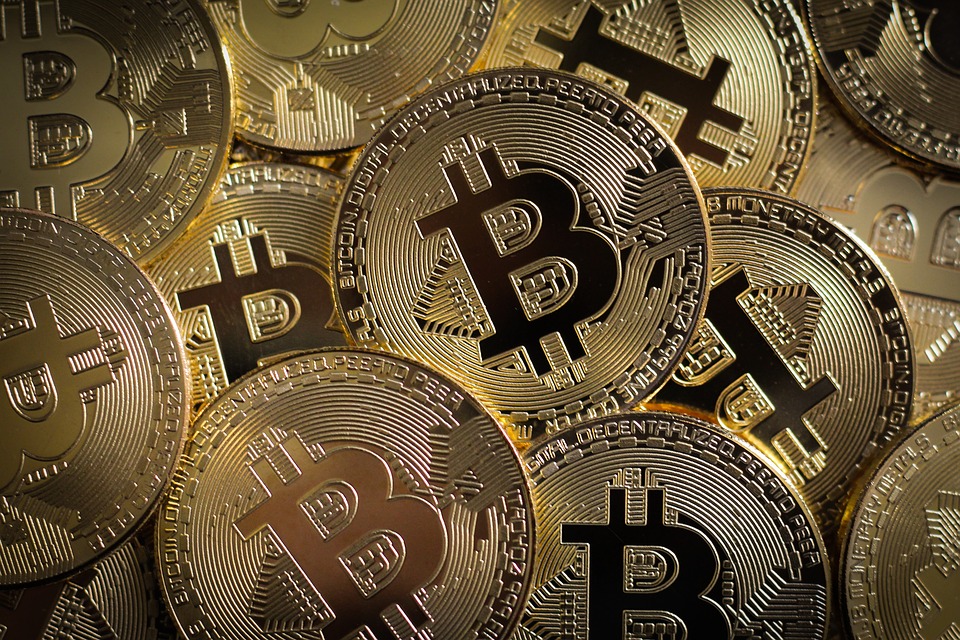
Despite numerous headline-grabbing cryptocurrency stories in the media in recent years, a surprising number of people still don’t really understand how cryptocurrencies work. They have a vague idea that the likes of bitcoin could make them “rich”, but they are not sure how or why. If you’re still in the dark, read on.
Bitcoin was the first established cryptocurrency. It appeared in 2009, although the underlying technology was around before then. If you had invested in bitcoin way back then, you would likely be a millionaire by now. A $100 investment in bitcoin in 2011, which was when it first became available to the public, is worth $2.131,193 in today’s money. There are not many investments that claim to offer such excellent returns.
A Question of Trust
Public perception is that banks caused the global financial crash of 2008-09. Unfortunately, when you use fiat currency, you have no choice but to work with banks. Bitcoin was invented in response to the disastrous economic recession that crippled the global banking sector and pushed many big-name banks to the wall. Even now, a decade later, many people don’t trust banks.
The root problem with conventional currency is all the trust that’s required to make it work – Satoshi Nakamoto.
Cryptocurrencies like bitcoin are underpinned by blockchain technology. It is a peer to peer electronic cash system with no trusted third-party. The aim was to create a digital currency that would eventually replace all forms of fiat currency.
What nobody expected was that bitcoin would evolve into a number of new cryptocurrencies. This happened because the bitcoin source code was open source. Developers could view the code, make their own tweaks, and come up with their own cryptocurrencies.
With the explosion of cryptocurrencies, the wider market has begun to see the value of digital currencies. Digital cryptocurrencies have evolved from something very few people were aware of, to an asset anyone can buy or sell online. There are numerous cryptocurrency trading platforms that are freely available to the public. You can buy bitcoin using your credit card or sell Ethereum via a cryptocurrency exchange.
The Next Step
Despite public acceptance of cryptocurrencies, the financial services sector has been very reticent about embracing cryptocurrencies. We can now use bitcoin to pay for flights on Expedia or buy food from Subway, but most banks have distanced themselves from bitcoin and other cryptocurrencies.
Nevertheless, some banks are making plans to embrace cryptocurrencies. The NY Times reported that Goldman Sachs is setting up a bitcoin trading arm, despite the risks. It won’t be buying or selling cryptocurrency until it gains regulatory approval, but it is clear that the bank is moving in that direction.
Steve Chiavarone from Federated Investors, a US investment firm, believes blockchain will be the driving force behind the next technology revolution.
“We think blockchain will one of five key technologies along with automation, robotics, AI, and the Internet of Things,” he told CNBC.
The Future
Back in 2015, PWC predicted that individual market participants – investors, banks, regulators, merchants, and consumers – were the driving force behind mass-market acceptance of cryptocurrencies.
Three years later, banks are investing, investors are keen to buy, merchants are getting on board, and consumers are embracing cryptocurrencies. Regulatory attitudes remain inconsistent, but it is likely that over time, governments will become more comfortable with non-fiat currencies and regulatory frameworks will relax.
Cryptocurrencies are here to stay. They represent a new phase in technology that has the power to disrupt existing markets. From smart contracts to supply chain management, the underlying blockchain is already evolving fast.
When will cryptocurrencies reach maturity? That remains to be seen, but it is likely that fiat currencies will one day be replaced by digital currencies.
This article does not necessarily reflect the opinions of the editors or management of EconoTimes













