


 Physicists zoom into the birth of cosmic rainstorms with new CERN study
  Hyundai CEO Warns Chinese Automakers Could Disrupt US Market
  MediaTek Unveils 2nm Dimensity 9600 Pro AI Chip
  FxWirePro- Major Crypto levels and bias summary
  NASA, Boeing Discuss Expanding Starliner Missions
  Big AI wants to slow down AI research. Is it a safety pause or a strategic retreat?
  FxWirePro- Major Crypto levels and bias summary
  Bitcoin Surges Past $85,000 Amidst Rising Risk Appetite
  Apple Pay Set for India Launch With Axis Bank
  Rosenblatt Starts Nokia at Buy on AI Networking Growth


 Add as a preferred source on Google
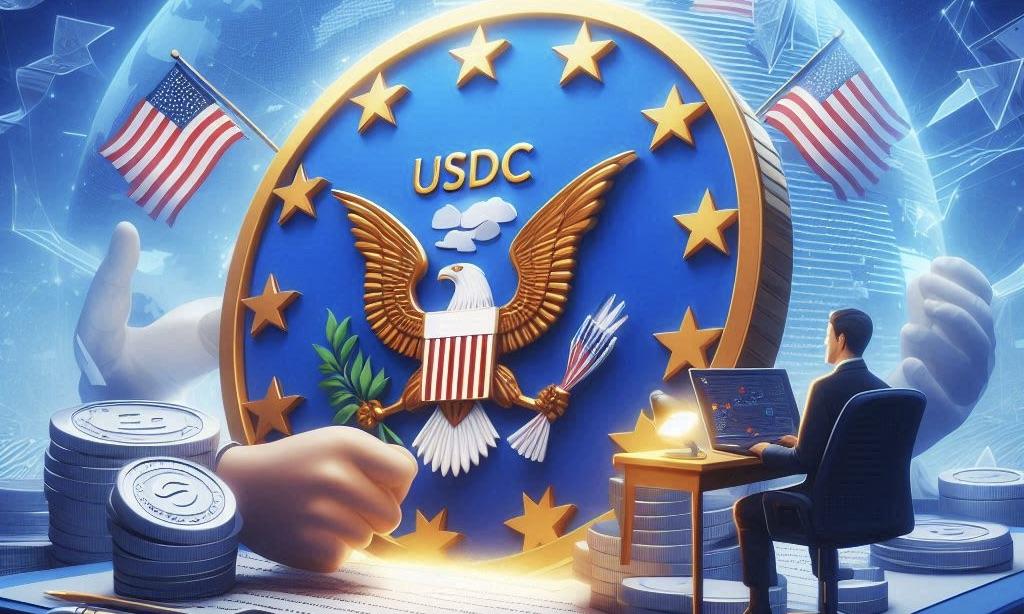
Binance has verified that it will continue providing uninterrupted support for the stablecoin USD Coin (USDC), tied to the United States Dollar, throughout the European Economic Area (EEA).
USDC Gains Regulatory Approval in the EEA, Marking a Significant Milestone for Circle and Binance
Binance CEO Richard Teng announced USDC's new status in the European Economic Area (EEA) region in a prior post on X. He stated quite clearly that the USD-pegged stablecoin is now subject to regulation in the geographic area.
To put it another way, USDC has now complied with the Market in the Crypto Asset (MiCA) framework currently in effect within the European Union. Consequently, its accessibility for dealing is ensured on the most prominent cryptocurrency exchange for individuals residing in the European Economic Area (EEA).
This was accomplished after Circle's achievement of becoming the first worldwide stablecoin issuer to get an Electronic Money Institution (EMI) license in the European Economic Area (EEA). The EMI license allows businesses to provide crypto tokens that are tied to either the dollar or the euro, including stablecoins, per the new MiCA rule.
USDC's new status as a MiCA-compliant e-money token (EMT) has given the cryptocurrency industry a positive vibe. Binance's CEO is optimistic that many additional EMTs that comply with MiCA will be available soon.
This new development highlights Circle's expansion across numerous locations, which should be taken into consideration. It also places the issuers ahead of their closest competitor, Tether. It is not yet known for definite whether the USDT issuer will also receive an EMI license. This is the case in the meantime.
Tether Faces Regulatory Challenges with MiCA Compliance but Expands Utility Through New Partnerships
It would appear that the likelihood of Tether obtaining a license from the MiCA is relatively low, notably since the company concluded that the MiCA regulatory framework is damaging to the stablecoin industry, as per Coingape.
During this time, Tether recently suspended the distribution of USDT on the public blockchains of Algorand and EOS. Before reaching this conclusion, the stablecoin issuer considered not only the community's interest in the stablecoin but also its maintainability and how it will be used on both blockchains.
According to Tether, the company is not uncommon to be concerned about the security, usefulness, and long-term viability of its token on any conceivable blockchain. It appears that neither EOS nor Algorand met the requirements set for them.
Following the swift removal of USDC from these blockchains, a significant relationship with UQUID was established shortly after. As a result of the agreement, Filipinos can pay their payments to the Social Security System (SSS) using USDT on the TON blockchain.
Although Tether does not appear to have an EMI license, it appears to have other positive aspects.
Photo: Microsoft Bing







