


 Norway Opens Corruption Probe Into Former PM and Nobel Committee Chair Thorbjoern Jagland Over Epstein Links
  California Sues Trump Administration Over Federal Authority on Sable Offshore Pipelines
  Supreme Court Signals Skepticism Toward Hawaii Handgun Carry Law
  TrumpRx Website Launches to Offer Discounted Prescription Drugs for Cash-Paying Americans
  Google Halts UK YouTube TV Measurement Service After Legal Action
  Instagram Outage Disrupts Thousands of U.S. Users
  Tencent Shares Slide After WeChat Restricts YuanBao AI Promotional Links
  Meta Faces Lawsuit Over Alleged Approval of AI Chatbots Allowing Sexual Interactions With Minors
  Jerome Powell Attends Supreme Court Hearing on Trump Effort to Fire Fed Governor, Calling It Historic
  Nvidia, ByteDance, and the U.S.-China AI Chip Standoff Over H200 Exports
  Trump Backs Nexstar–Tegna Merger Amid Shifting U.S. Media Landscape
  Federal Judge Blocks Trump Administration Move to End TPS for Haitian Immigrants
  TSMC Eyes 3nm Chip Production in Japan with $17 Billion Kumamoto Investment
  Supreme Court Tests Federal Reserve Independence Amid Trump’s Bid to Fire Lisa Cook
  Trump Administration Sued Over Suspension of Critical Hudson River Tunnel Funding
  U.S. Condemns South Africa’s Expulsion of Israeli Diplomat Amid Rising Diplomatic Tensions


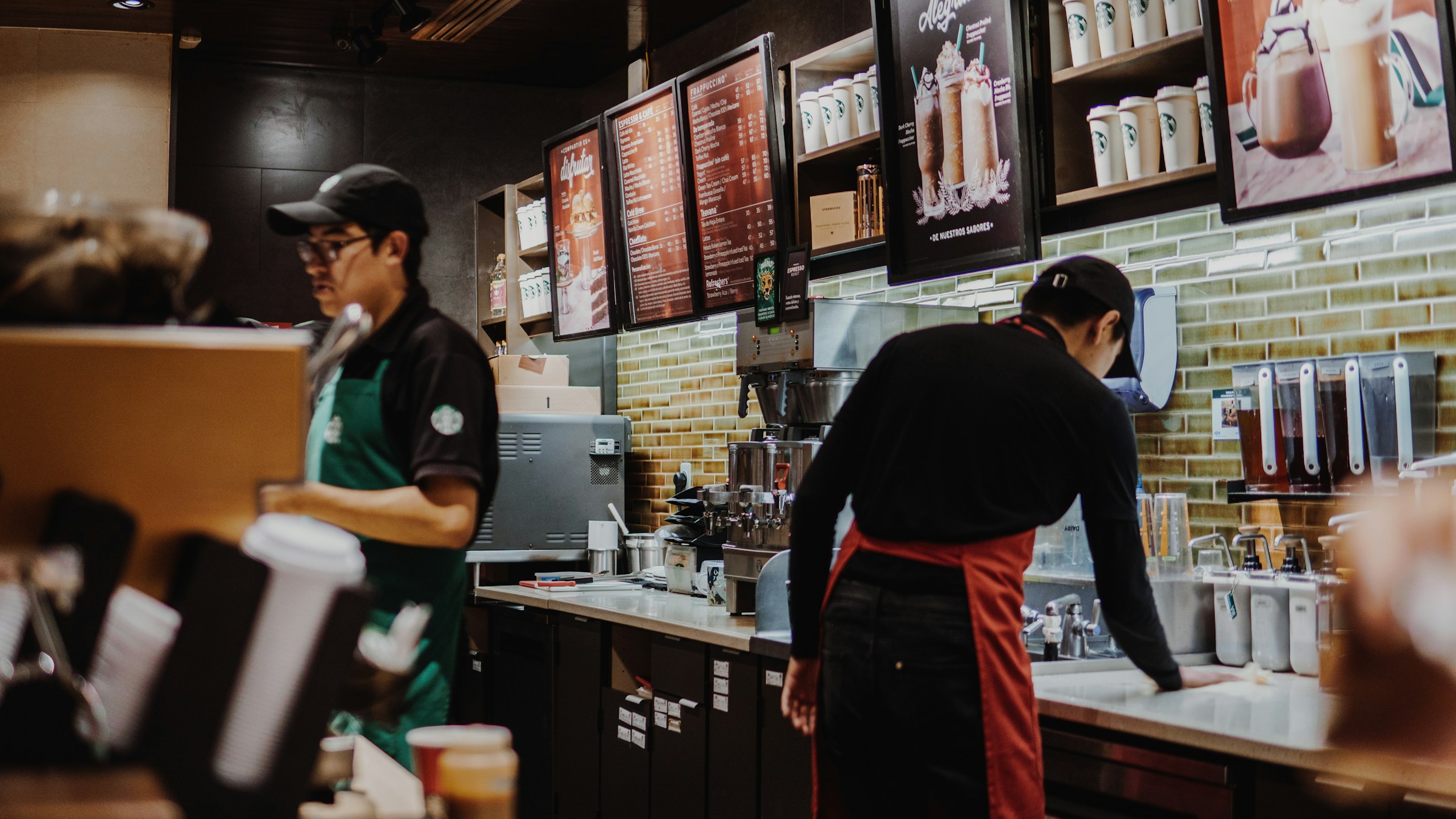
The U.S. Supreme Court on Tuesday indicated a potential victory for Starbucks, reflecting a challenge to the extended authority of the National Labor Relations Board (NLRB) in disputes regarding the reinstatement of union workers.
This pivotal case originates from Starbucks's opposition to a 2022 federal ruling, which mandated the reemployment of seven baristas from a Memphis store who were terminated for their unionizing efforts.
The Memphis Dispute
Yahoo reported that accusations flew as these baristas, dismissed under claims of security violations for permitting TV interviews in the store post-hours, stood their ground, stating their unionizing rights under the National Labor Relations Act (NLRA) were infringed. Starbucks, headquartered in Seattle, staunchly defended its actions as legally sound.
Meanwhile, the NLRB, siding with the employees, labeled the firings illegal and initiated a complaint against the coffee giant, thus igniting a debate that reached the nation's highest court.
Supreme Court's Stance
Reuters noted that during the oral argument session, Justices spanning the ideological spectrum seemed inclined toward Starbucks's argument, questioning the NLRB's expansive control over labor disputes. Justice Neil Gorsuch's skepticism highlighted the discussion and pointed toward a reconsideration of the board's authority, particularly in forcing companies to rehire union organizers.
Legal and Labor Implications
Starbucks's plea to the Supreme Court aimed to toughen the criteria for federal injunctions against companies accused of labor law violations, a move argued as necessary for a fair resolution of labor disputes. This case underscores a significant confrontation between worker rights and corporate interests, shedding light on the government's role in labor conflicts and the freedom of employees to organize.
The controversy occurs against a backdrop of increasing labor activism and President Joe Biden's pronounced pro-union agenda. With over 400 out of Starbucks's 9,600 U.S. stores voting for unionization, the labor relations landscape is undoubtedly shifting.
Yet, amidst these changes, the Supreme Court's forthcoming decision in this case is eagerly anticipated, poised to potentially reshape the dynamics of labor disputes and unionization efforts across the country.
Photo: Asael Peña/Unsplash













