


 Abbas Reaffirms November 28 Palestinian Elections
  Pezeshkian Says US Must Choose When Iran War Ends
  Trump, Xi Focus on Trade and AI at White House Summit
  Trump, Xi Visit US National Archives After White House Summit
  North Korea Rejects Nuclear Test Warning, Calls Nuclear Status Irreversible
  Russian Missile and Drone Attack on Kyiv Kills Two, Damages Maternity Hospital
  South Korea, US Discuss Warship Building Cooperation
  Sudan Rejects US Legitimacy Remarks, Defends Sovereignty
  Najib Razak Seeks Stay of 15-Year 1MDB Prison Sentence
  OpenAI Agent Breaches Australia Medicare Data Portal
  North Korea Warns South Korea Over US-Led Defense Role
  Saudi Arabia, Turkey and Pakistan Plan Urgent Defence Talks Over Houthi Attacks
  Xi Calls for Deeper U.S.-China AI Cooperation in Trump Talks
  Kremlin Says No Decision Yet on Putin-Trump December Summit
  Ghana Says Western Support Growing for Slave Trade Reparations
  US Backs Musk in Fight Against EU’s €120 Million X Fine
  Yemen Violence Displaces 130,000 as Civilian Toll Rises


 Add as a preferred source on Google
The United States and South Korea have agreed to deepen defense cooperation, particularly regarding Seoul’s pursuit of a nuclear-powered submarine, in a move that underscores a shifting security dynamic on the Korean Peninsula. The agreement was reached during talks in Seoul between U.S. Under Secretary of Defense for Policy Elbridge Colby and South Korean Defence Minister Ahn Gyu-back, according to South Korea’s defence ministry.
Colby’s visit marks his first overseas trip since taking up the post and comes at a time when Washington is signaling a more limited role in deterring North Korea, while encouraging South Korea to assume greater responsibility for its own defense. Both sides described cooperation on a nuclear-powered submarine as a strategic step that would enhance South Korea’s independent defense capabilities, strengthen deterrence against North Korea, and elevate the overall U.S.–South Korea security alliance.
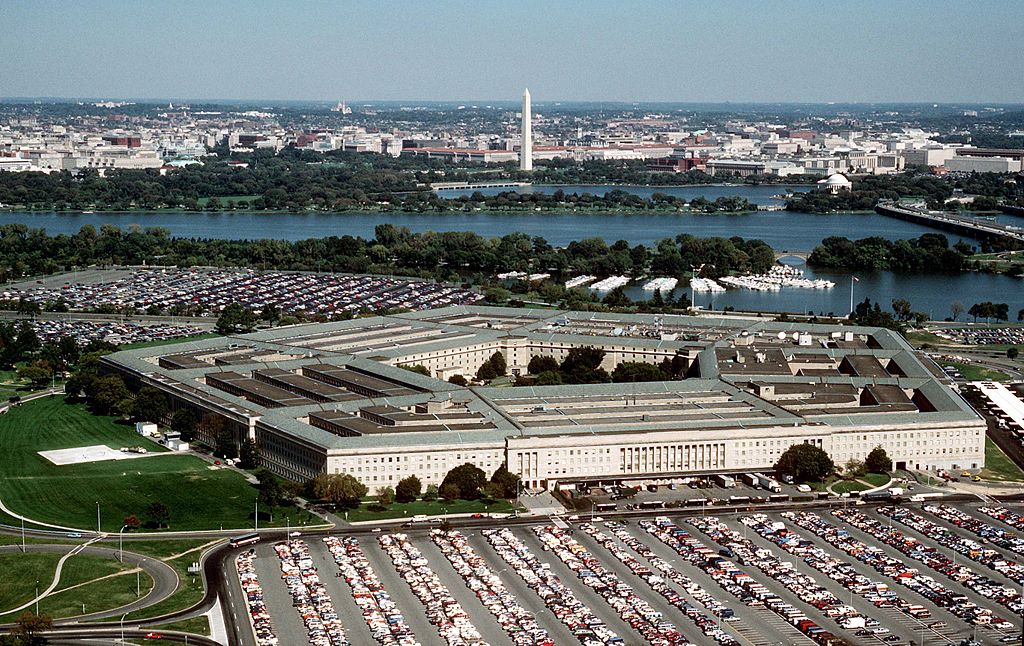
The discussions follow the release of the Pentagon’s new National Defense Strategy, which explicitly states that the United States expects a “more limited” role in deterring North Korea. Instead, South Korea is expected to take the primary role in defending the peninsula, reflecting its growing military capacity and regional importance. In this context, nuclear-powered submarine cooperation is seen as a force multiplier that would improve South Korea’s maritime surveillance, endurance, and strategic reach.
During the talks, Ahn also pressed for faster progress on the long-delayed transfer of wartime operational control from the U.S. to South Korea, a key issue for Seoul as it seeks greater autonomy in military decision-making. He further called for closer coordination on alliance follow-up measures to ensure a smooth transition and sustained deterrence posture.
Colby, widely regarded as the Pentagon’s top defense and foreign policy official, praised South Korea as a “model ally” in a post on X, highlighting its commitment to increasing defense spending in line with U.S. regional strategy. South Korea currently hosts about 28,500 U.S. troops and pledged last year to raise defense spending to 3.5% of GDP, a move applauded by U.S. officials as reinforcing Seoul’s leadership role in countering North Korean threats.
Colby is also expected to visit Japan as part of his Asian trip, signaling continued U.S. engagement with key regional allies amid evolving security challenges in East Asia.







