


 NIO ES9 SUV Launch Sends HK Shares Down 7% Despite Bold Pricing Strategy
  Chalco Stock Surges as Q1 2025 Profit Forecast Jumps Up to 58%
  Alibaba Shares Slide as Jefferies Slashes Price Target Over AI Spending and Business Losses
  MATCH Act: How New U.S. Chip Legislation Could Freeze China's Semiconductor Ambitions
  U.S. Automakers Push Back Against EU Rules Blocking American Trucks from European Market
  Goldman Sachs, ANZ Cut Oil Forecasts Amid U.S.-Iran Ceasefire Hopes
  Abbott Laboratories Ordered to Pay $53 Million in Premature Infant Formula Lawsuit
  Anthropic Fights Pentagon Blacklisting in Dual Federal Court Battles
  Tokyo Electric Power Attracts Major Investors Amid Billion-Dollar Restructuring Push
  China's AI Stocks Surge as Zhipu and MiniMax Hit Record Highs
  Bill Ackman Eyes New Fund to Bet Against Market Complacency
  Kia Cuts EV Sales Target for 2030 Amid Slowing Demand and U.S. Policy Shifts
  Bendigo and Adelaide Bank Posts Strong Q3 Earnings, Announces AI-Driven Job Cuts
  Lumentum Holdings Rides AI Wave With Order Book Filled Through 2028
  China Vanke Seeks Bond Extension Amid Mounting Debt Crisis
  Disney Plans to Cut 1,000 Jobs Amid Ongoing Restructuring Efforts


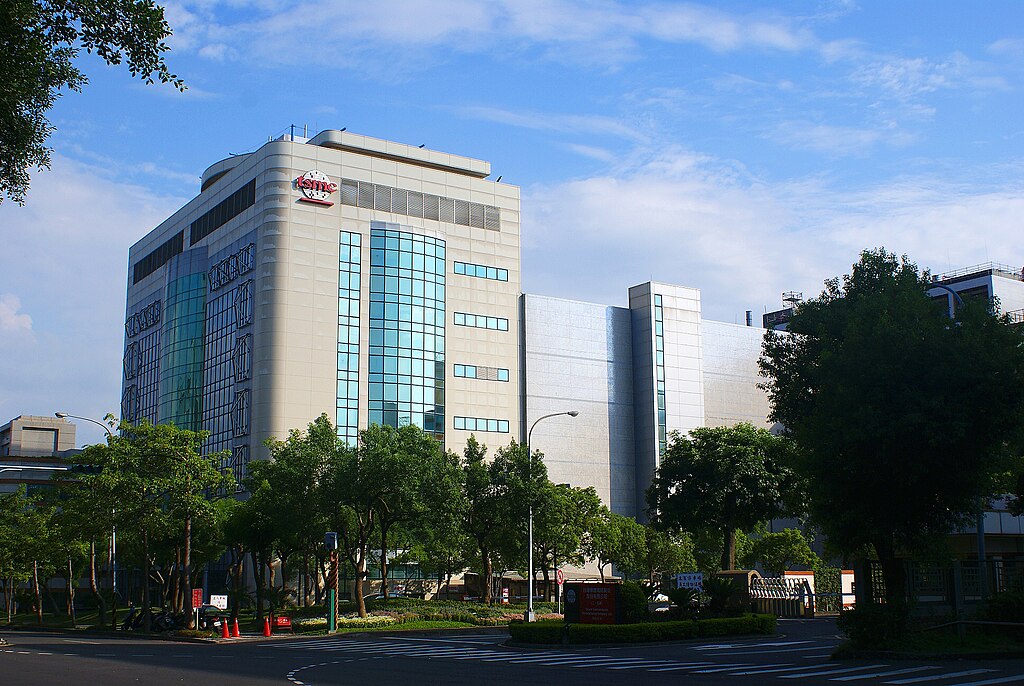
U.S. Mandates Halt of TSMC Advanced AI Chip Exports to China
The United States has directed Taiwan Semiconductor Manufacturing Co. (TSMC) to cease shipments of advanced semiconductor chips used in artificial intelligence (AI) applications to Chinese customers. Starting Monday, the U.S. Department of Commerce imposed export restrictions on chips designed at 7 nanometers or smaller, impacting high-tech processors commonly used in AI and graphics processing units (GPUs), according to a source familiar with the matter.
Why TSMC’s Exports Are Halted
The order followed an incident reported last month where one of TSMC’s chips was found in a Huawei AI processor, possibly violating U.S. export controls. Huawei remains on the U.S. restricted trade list, meaning suppliers must obtain specific licenses to supply goods or technology to the company, especially for AI-related products. This restriction is part of the U.S. effort to curtail China's access to critical AI hardware.
Broader Industry Impact
In response, TSMC has informed its affected Chinese clients of suspended shipments. Chinese semiconductor firms, including chip designers like Sophgo, will experience delays and potential setbacks in accessing cutting-edge AI chip technology. This restriction is part of a larger initiative: in 2022, similar "is-informed" letters were sent to Nvidia and AMD, limiting exports of advanced AI chips to China.
With bipartisan U.S. political support, these measures reflect growing national security concerns around AI capabilities. The new restrictions will expedite U.S. oversight of export compliance for other semiconductor firms exporting to China.







