


 Russian Envoy Dmitriev Heads to US for Ukraine Talks
  Pezeshkian Says US Must Choose When Iran War Ends
  US Backs Musk in Fight Against EU’s €120 Million X Fine
  Najib Razak Seeks Stay of 15-Year 1MDB Prison Sentence
  Asian Stocks Fall as Surging Bond Yields Rattle Markets
  Oil Prices Ease as Iran Tensions Clash With Diplomacy Hopes
  Trump, Xi Visit US National Archives After White House Summit
  Mexico-US Trade Talks Delayed to October as Tariff Negotiations Continue
  Ukrainian Drone Attacks Hit Russian Regions, Injuring at Least 12
  Netanyahu Defends Israel at UN as Delegates Stage Walkout
  EU Defence Build-Up Too Slow for 2030 Russia Readiness Goal
  Taiwan Thanks US for Support Ahead of Trump-Xi Summit
  Oil Prices Jump 3% as Houthi Attack Revives Supply Fears
  Russian Missile and Drone Attack on Kyiv Kills Two, Damages Maternity Hospital
  U.S. Treasury Yields Surge as 30-Year Hits 22-Year High
  Netanyahu’s Brief US Trip Highlights Strains With Trump
  European Stocks Fall as Bond Yields and Geopolitical Risks Weigh


 Add as a preferred source on Google
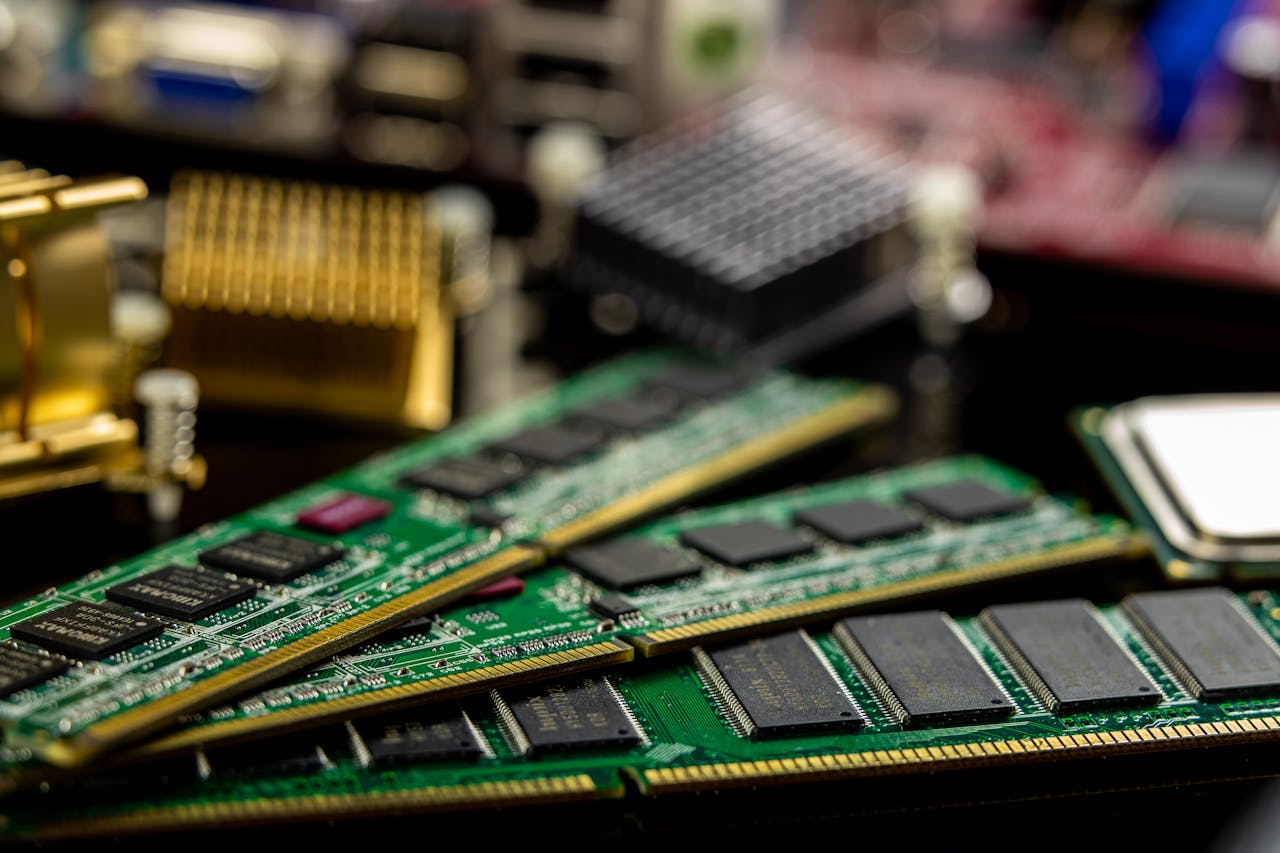
The United States government has announced a 25% national security tariff on certain high-end semiconductors, marking what officials describe as a “phase one” step in a broader strategy to protect and strengthen the domestic semiconductor industry. The tariff, announced by the U.S. Commerce Department on Wednesday, targets advanced chips that are considered critical to national security and technological leadership.
According to a White House official who spoke on condition of anonymity, this initial semiconductor tariff may be followed by additional trade measures. These future actions will depend largely on ongoing negotiations with foreign governments and major semiconductor companies. The official emphasized that the administration views this move as part of a longer-term plan rather than a one-off decision, signaling that the global chip supply chain could face further policy shifts.
President Donald Trump has repeatedly stressed the importance of reshoring semiconductor manufacturing to the United States. In previous statements, he warned that chips not produced domestically could face tariffs as high as 100% in the future. The goal, according to the administration, is to reduce reliance on foreign-made semiconductors, particularly those used in sensitive industries such as defense, artificial intelligence, and advanced computing.
The new tariff underscores growing concerns in Washington about supply chain vulnerabilities and geopolitical risks tied to semiconductor production. High-end semiconductors are essential components in everything from smartphones and electric vehicles to military systems, making them a strategic priority for national security. By imposing tariffs, the U.S. hopes to incentivize companies to invest more heavily in domestic chip manufacturing facilities.
Industry experts note that while the tariff could encourage long-term investment in U.S.-based semiconductor plants, it may also increase costs in the short term for companies that rely on imported chips. Global chipmakers and trade partners are closely watching the situation, as further announcements could reshape international trade dynamics in the technology sector.
As negotiations continue, the semiconductor tariff signals a clear message: the U.S. government is prepared to use trade policy as a tool to bolster domestic manufacturing and protect critical technologies.







