


 Nvidia Eyes $2.5 Billion Investment in Thinking Machines Lab
  Nvidia CEO Says AGI Has Arrived With OpenAI GPT-6 Astra
  Xiaomi Shares Jump on Europe EV Expansion Plan
  South Korea, US Discuss Chip Investments Amid Tariff Plans
  Qualcomm Stock Jumps on Amazon AI Chip Deal
  MongoDB Stock Sinks 14% as Atlas Growth Misses Expectations
  Adobe Names Anil Chakravarthy CEO as AI Push Accelerates
  South Korea Unveils Record $597 Billion 2027 Budget to Boost AI and Chips
  Anthropic Drops $6 Billion Decart AI Acquisition Talks
  Huawei Launches Mate XT2 Foldable Phone in China
  Texas Republicans Turn Against AI Data Centers as Election Backlash Grows
  Apple’s Phil Schiller Steps Back as Leadership Shake-Up Accelerates
  Australia Plans New Rules Giving Users Control Over Social Media Feeds
  OpenAI Rejects Apple Trade Secret Theft Claims
  US Tech Giants’ AI Bond Boom Raises Euro Zone Borrowing Risks


 Add as a preferred source on Google
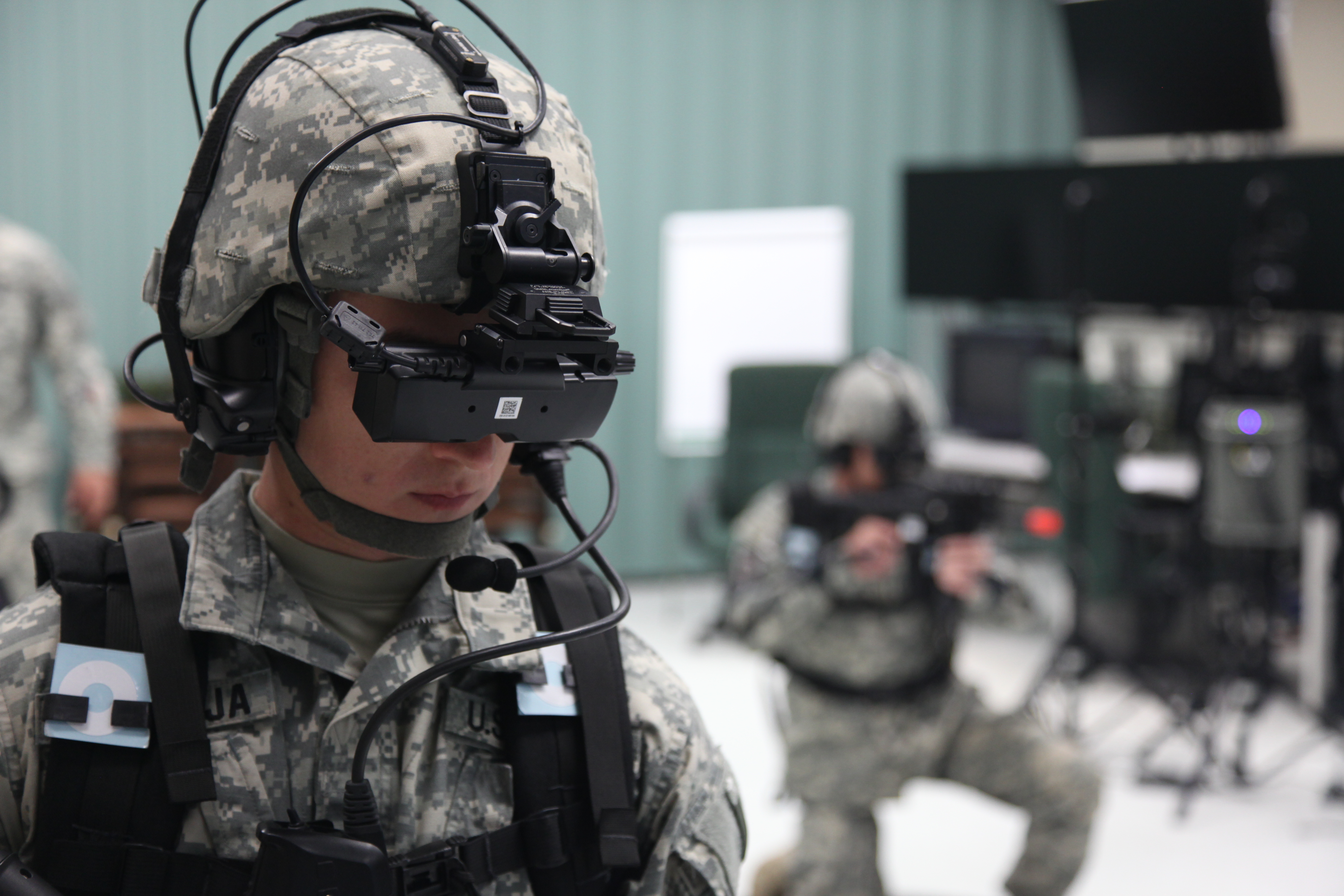
When it comes to being tactically effective in battle, knowing the terrain is a huge advantage that soldiers regularly try to employ. If the fight should take place in North Korea, this is where U.S. soldiers can lag behind since the terrain in the region is not exactly well-known to Americans. Fortunately, there is virtual reality to compensate for the absence of common knowledge, which can prepare U.S. Army soldiers for engagement in the reclusive territory if the need arises.
Training in VR, where soldiers fight digital enemies in digital environments, has been something of a sci-fi mainstay for decades. In the case of the North Korea terrain issue, the developers of the simulation took data via satellite images and other available intel that has been gathered to generate what’s called Synthetic Training Environments. According to a white paper discussing the matter, the environment is generated by an artificial intelligence that was fed with the data.
While the environment is naturally going to remain relatively the same, it would seem that the AI throws in some variability to the simulation from time to time. This helps simulate actual, unpredictable scenarios wherein soldiers will need to cope with developments that they were not expecting.
The U.S. Army has actually been employing VR training since back in 2012, but the technology has advanced significantly since then. Now, trainers can create life-like environments and conditions in a more rapid fashion than before.
According to engineers who spoke to New Scientist, it would seem that other than North Korea, the VR simulation also features other areas such as South Korea and New York. Basically, places where live fire exercises can cause quite a bit of an issue.
On that note, it’s understandably unsettling to consider that the U.S. is using these environments as training grounds for combat. While movies might like to depict burning American cities all the time, the thought of such occurrences happening in real life is naturally worrisome.







