


 Judge Orders Trump to Restore White House Access for CNN, MS NOW and Politico
  South Korea, US Discuss Warship Building Cooperation
  US Senate Rejects Iran War Powers Resolution in 50-49 Vote
  Netanyahu Takes Aim at Mamdani as Israel Election Nears
  EU Defence Build-Up Too Slow for 2030 Russia Readiness Goal
  Russian Missile and Drone Attack on Kyiv Kills Two, Damages Maternity Hospital
  Trump, Xi Focus on Trade and AI at White House Summit
  Abbas Reaffirms November 28 Palestinian Elections
  Trump Asks Supreme Court to Restore Third-Country Deportations
  France Defends Netanyahu Airspace Clearance Despite ICC Warrant
  Russian Envoy Dmitriev Heads to US for Ukraine Talks
  Pezeshkian Says US Must Choose When Iran War Ends
  Netanyahu Defends Israel at UN as Delegates Stage Walkout
  North Korea Rejects Nuclear Test Warning, Calls Nuclear Status Irreversible
  NATO Boosts Intelligence Sharing Amid Russia Hybrid Threats
  North Korea Warns South Korea Over US-Led Defense Role
  Yemen Violence Displaces 130,000 as Civilian Toll Rises


 Add as a preferred source on Google
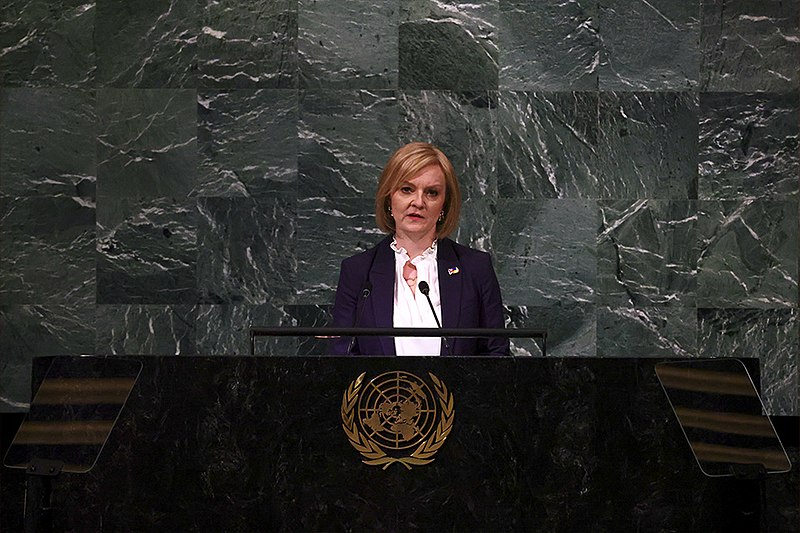
The spokesperson for British Prime Minister Liz Truss said this week that the government must control immigration in a way that works for the country. The comments come amidst reported calls by the interior minister for reduced levels in net migration as ministers consider relaxing visa restrictions.
Truss’s spokesperson said Monday said she wants the government to control immigration in a manner that works for the country. This follows local media reports that interior minister Suella Braverman was pushing for reduced levels of net migration.
The push also comes as ministers are considering relaxing visa restrictions on foreign workers to address labor shortages.
“The prime minister wants to make sure we maintain control of immigration and that it works for the UK,” said the spokesman. “I will let the Home Secretary come forward with further detail.”
Meanwhile, opposition Labor Party leader Keir Starmer is set to unveil his proposal for economic growth and end what he described as a cycle of “crisis” by saying the Labor Party supports “sound money” compared to the current Conservative government.
During the Labor Party’s annual conference, Starmer is expected to target Truss’s plan to revive the country’s economic growth. Starmer is set to say the Labor Party in government would create jobs, improve skills, and address climate change instead of offering tax cuts for the wealthiest.
In excerpts of his remarks, Starmer will say his proposal “will require a different way of working – the biggest partnership between government, business, and communities this country has ever seen.”
Starmer will also say that in the first 100 days of a Labor government, he will start his plan to create one million new jobs in cities and towns, lower energy bills, raise living standards, and tackle climate change.
Sunday, Truss said allies must remain firm in supporting Ukraine while ignoring the “saber-rattling” by Russian leader Vladimir Putin in his threats to the West.
In an interview with CNN, Truss said Putin’s plan to escalate his invasion of Ukraine by partially mobilizing reserve troops was because the Russian leader was not winning and that he made a “strategic mistake” by not anticipating the reaction from the rest of the world to his threats.







