


 US Invites Putin to Miami G20, Opening Door to Trump Summit
  Russian Missile and Drone Attack on Kyiv Kills Two, Damages Maternity Hospital
  Kremlin Says No Decision Yet on Putin-Trump December Summit
  US Senate Rejects Iran War Powers Resolution in 50-49 Vote
  Netanyahu Defends Israel at UN as Delegates Stage Walkout
  US Officials Split Over Response to Israeli West Bank Settlements
  Mexico-US Trade Talks Delayed to October as Tariff Negotiations Continue
  US, China Extend Trade Truce to Jan. 10 Ahead of Trump-Xi Summit
  US Backs Musk in Fight Against EU’s €120 Million X Fine
  Netanyahu Takes Aim at Mamdani as Israel Election Nears
  Trump Asks Supreme Court to Restore Third-Country Deportations
  EU Defence Build-Up Too Slow for 2030 Russia Readiness Goal
  Yemen Violence Displaces 130,000 as Civilian Toll Rises
  France Defends Netanyahu Airspace Clearance Despite ICC Warrant
  Judge Orders Trump to Restore White House Access for CNN, MS NOW and Politico
  North Korea Warns South Korea Over US-Led Defense Role
  Netanyahu’s Brief US Trip Highlights Strains With Trump


 Add as a preferred source on Google
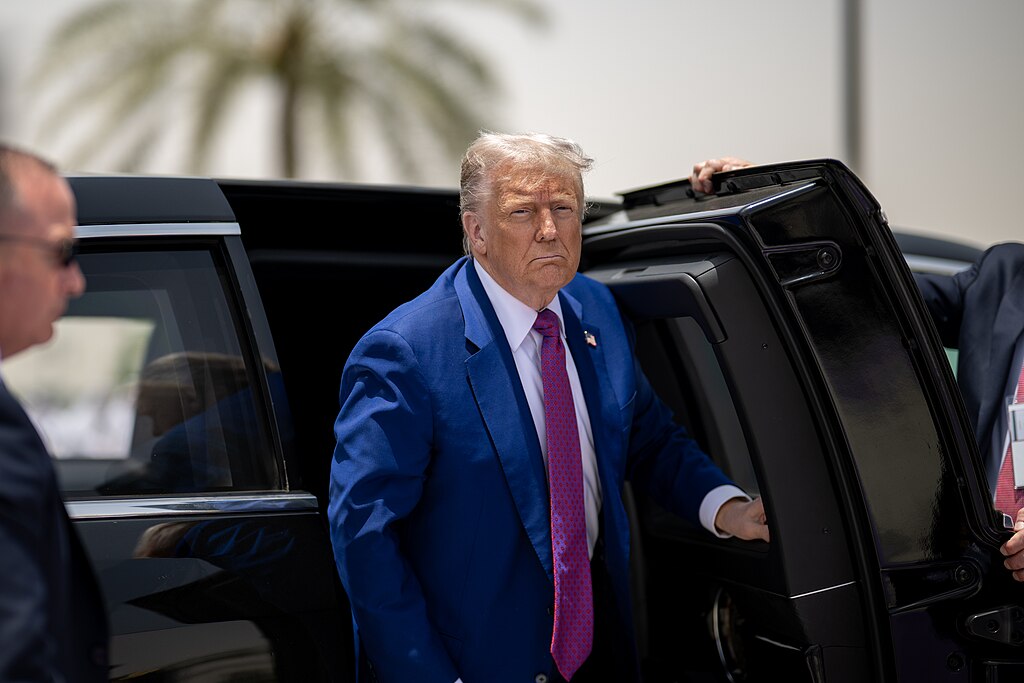
A fierce internal battle within the Trump White House is shaping how the United States navigates its ongoing military campaign against Iran — and how the president ultimately defines what victory looks like.
Nearly two weeks into what officials describe as the largest American military operation since the 2003 invasion of Iraq, competing factions are lobbying Trump from different directions. Economic advisers from the Treasury Department and National Economic Council have cautioned that rising gasoline prices could quickly turn public opinion against the war effort. Chief of Staff Susie Wiles and her deputy James Blair are echoing those concerns, urging Trump to frame the campaign as limited in scope and close to completion.
On the other side, hawkish Republican senators like Lindsey Graham and Tom Cotton, along with conservative media figures, are pushing for sustained military pressure to permanently dismantle Iran's nuclear ambitions and curb its regional influence. Meanwhile, Trump's populist allies — including strategist Steve Bannon and commentator Tucker Carlson — are warning against being drawn into another prolonged Middle Eastern conflict.
Trump himself has sent mixed signals. At a Kentucky rally, he declared the U.S. had won, then immediately suggested the mission was not yet finished. Behind the scenes, aides reportedly prepared messaging memos encouraging him to describe the conflict as a "short-term excursion," language he has since repeated publicly.
The stakes are significant. Iran's continued disruption of oil shipments through the Strait of Hormuz — a critical route for roughly one-fifth of global oil supply — is straining energy markets and threatening economic stability ahead of November's midterm elections.
Some White House officials are quietly exploring an exit strategy: declaring that military objectives have been achieved, then transitioning to sanctions and diplomatic negotiations. However, not everyone inside the administration supports that path, and Iran shows no signs of backing down.







