


 Ukraine Names Yevhenii Khmara Defence Minister Amid Election Row
  US, South Korea Cut Joint Military Drills After Trump Orders Reduced Role
  US, South Korea Cut Joint Military Drills as Trump Seeks North Korea Talks
  Israel, Syria Discuss Turkey’s Military Presence Before Airstrike
  Erdogan Urges Trump to Resume Iran Talks, Offers Turkey’s Support for Peace Efforts
  Trump Eyes 15% Tariff on Canadian Auto Imports in New Trade Deal
  Pentagon Weighs Permanent U.S. Military Drawdown in Persian Gulf
  Trump Approval Rating Hits Presidency Low as Iran War Concerns Grow
  UN Chief Raises Concern Over US Sanctions on ICC Officials
  Israel Strikes Syrian Airbase Near Aleppo, Raising Tensions With Turkey
  Gaza Zoo Struggles to Save Animals Amid War
  South Korea Estimates North Korea Has Up to 120 Nuclear Warheads
  US Eyes Refinery Boost as Trump Seeks Relief From High Gas Prices
  Prince Harry and Meghan Markle Reportedly Plan UK Move With Children
  South Korea’s Lee Calls for Stronger Defence as US Eyes Reduced Joint Drills
  Israeli Airstrikes Kill 10 Palestinians in Gaza as Ceasefire Diplomacy Stalls
  Russia Strikes Kyiv With Drones and Airstrikes, Targets Military Facilities


 Add as a preferred source on Google
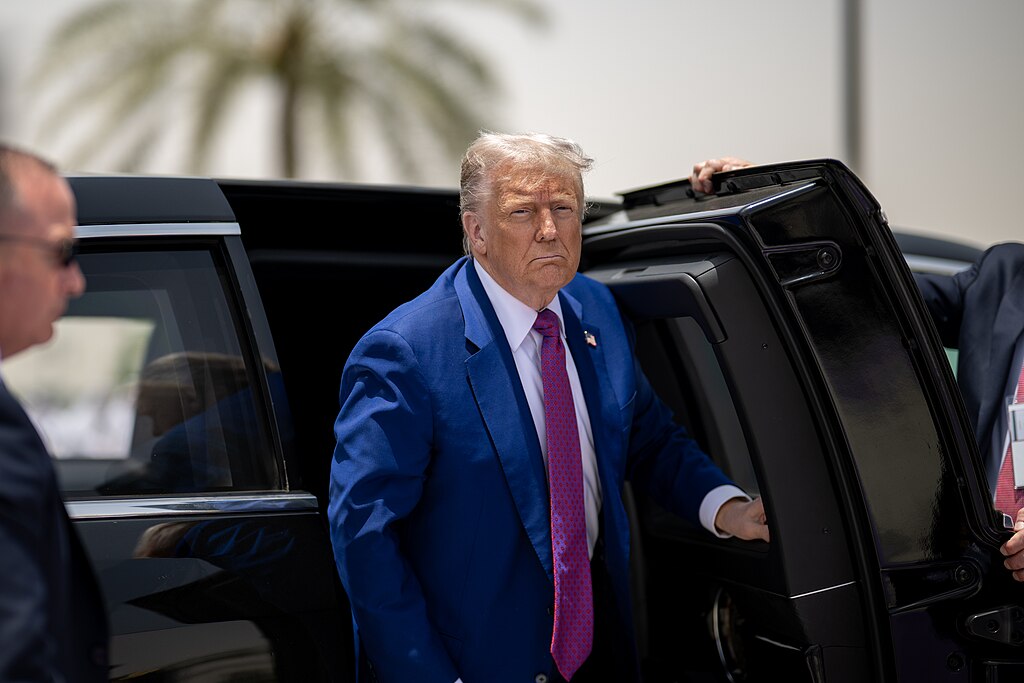
U.S. President Donald Trump said Wednesday evening that Washington is preparing tougher economic restrictions on Iran as tensions between the two countries continue over the Strait of Hormuz.
Trump warned that countries conducting business with Iran could face “TREMENDOUS Economic Consequences,” although he provided few details about the measures under consideration.
In a post on Truth Social, Trump described the initiative as the “MOST CRUSHING ECONOMIC OPERATION EVER TAKEN AGAINST ANY COUNTRY,” pledging economic warfare and international isolation on an unprecedented scale.
The U.S. president claimed Iran was “hanging by a thread” following months of American operations and urged Washington’s allies to participate in the economic pressure campaign. He also reiterated the U.S. position that Iran must not obtain a nuclear weapon.
The exact scope of the proposed Iran sanctions remains unclear. Tehran already faces extensive U.S. restrictions targeting its oil industry, while Washington has also moved to blockade Iranian ports.
Trump’s announcement comes as the U.S.-Iran standoff over the Strait of Hormuz remains unresolved. Iran has said the crucial shipping route will stay closed until Washington complies with provisions of an interim agreement reached in June.
That agreement expired earlier this week, with neither side appearing ready to renew the ceasefire. Reports have suggested Trump could shift U.S. strategy toward a prolonged economic pressure campaign rather than relying primarily on additional military operations.
The Iran conflict is approaching its seventh consecutive month without a clear path toward de-escalation. Trump also threatened earlier this week to strike Oman over its discussions with Iran concerning Hormuz.
The Strait of Hormuz remains central to the dispute. Shipping data indicates traffic through the waterway remains limited despite U.S. assertions that it is open.
Before the conflict, roughly 20% of global oil supplies passed through the Strait of Hormuz. Continued disruption has therefore intensified concerns about crude oil availability, energy markets and the broader economic impact of the U.S.-Iran confrontation.







