


 Samsung Electronics Eyes Record Q1 Profit Amid AI-Driven Chip Boom
  UPS and Teamsters Reach Agreement to Limit Driver Severance Program
  OpenAI Executive Shake-Up Ahead of Anticipated 2026 IPO
  Bank of America Identifies Top Asia-Pacific Semiconductor Stocks Poised for AI-Driven Growth
  FedEx Pilots and Union Reach Tentative Agreement on 40% Pay Increase
  Pony.ai, Uber, and Verne Launch Europe's First Commercial Robotaxi Service in Zagreb
  Chalco Stock Surges as Q1 2025 Profit Forecast Jumps Up to 58%
  Deere & Company Agrees to $99 Million Settlement Over Right-to-Repair Dispute
  China's AI Stocks Surge as Zhipu and MiniMax Hit Record Highs
  Alibaba Shares Slide as Jefferies Slashes Price Target Over AI Spending and Business Losses
  Ford Issues Major Recall on Over 422,000 Vehicles Due to Windshield Wiper Defect
  Bill Ackman Eyes New Fund to Bet Against Market Complacency
  Anthropic Fights Pentagon Blacklisting in Dual Federal Court Battles
  LG Electronics Posts Record Q1 Revenue Amid Strong Demand and Cost Improvements
  UAE's Largest Natural Gas Facility Suspended After Attack-Triggered Fire
  Private Credit Under Pressure: Is a Slow-Motion Crisis Unfolding?
  Britain Courts Anthropic Amid US Defense Department Dispute


The Trump administration’s tariffs have jolted Caribbean leaders into addressing a reality that has long been known but often overlooked: the region must urgently reduce its overdependence on the US if it is to build a secure economic future.
The Caribbean was largely spared the heaviest tariffs imposed on ‘Liberation Day’ – all but Guyana and the heavily sanctioned Cuba initially received the baseline 10% – although the President has since returned the import levy to this rate for most nations following the announcement of a 90-day pause.
Nevertheless, the US accounts for an enormous 44% of imported goods to CARICOM, and is the destination for 20% of the region’s exports, so any disruption to bilateral trade therefore threatens significant disruption to Caribbean economies.
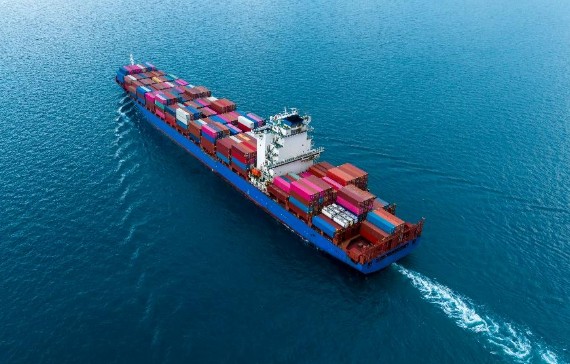
Of greater immediate concern, however, are the port services fees proposed by US policymakers, which would levy up to $1.5 million per port call made by vessels built or flagged in China. As the Caribbean Hotel and Tourism Association explained in a formal submission to the US Trade Representative, the charges would sharply raise the cost of imports and threaten to dampen tourism demand.
But for all the fanfare, these moves merely highlight a trend in global affairs that has been evident for several years now: we are entering a world of unprecedented instability and, when push comes to shove, countries will prioritize their own national interest above all else.
That’s why the Prime Minister of Barbados and current chair of CARICOM Mia Mottley’s statement, just two days after the announcement of US tariffs, was so timely. Mottley called on the Caribbean to come together to build self-sufficient economies and invest in ties beyond the United States to diversify the region’s trading relations.
The United States should and will, of course, remain an important partner to the Caribbean regardless of the short-term shock. And the US runs a healthy trade surplus in goods to the Caribbean, standing at $5.8 billion in 2024, which should set the region in good stead in the negotiations that are likely to come.
But prudent leadership requires decision-making that looks far into the future to defend against the worst risks of instability and uncertainty. It’s therefore incumbent on Caribbean leaders, as the Premier of Nevis Mark Brantley pithily put it, to move ‘with alacrity to forge new relationships and new partnerships with the global South’.
To safeguard its economic security for years to come, the Caribbean must pursue three critical goals. First, the Caribbean must build self-sufficiency in strategic sectors.
Energy security is a vital component to this, as fluctuating prices and supply chain shocks leave the Caribbean exposed to political and economic vulnerability. Investing in local energy generation can also bring down the region’s notoriously high energy prices, unlocking funds for further business investment and growth.
Geothermal energy projects in Dominica and Nevis are already showing great promise, and both islands’ governments have secured financing from the Caribbean Development Bank. The latter has also secured a further $20 million loan from the Saudi Arabia Fund for Development, illustrating international appetite for investing in renewable energy sources.
Second, the Caribbean must lean into its unique economic assets to secure its position in a competitive global environment. Tourism is an excellent card at the region’s disposal, but as the pandemic showed, overreliance on one single sector could spell fiscal trouble.
It’s time therefore to look towards other revenue streams to shore up the region’s economic resilience. Citizenship by Investment programs, led by St. Kitts and Nevis, Antigua and Barbuda and Dominica, are a vital source of funds for several Caribbean governments. According to the IMF, a whopping 37% of Dominica’s GDP was derived from CBI in the financial year 2022/23.
But as the EU considers cutting visa-free access to countries offering Citizenship by Investment, the Caribbean’s small island nations must move swiftly to ensure their programs retain investor appeal.
Third, it is vital that Caribbean nations pursue closer ties with other nations of the Global South. The Afri-Caribbean Investment Summit held in Abuja, Nigeria, last month is a promising step – but it is imperative that the region’s leaders build on this progress to diversify their nations’ bilateral relationships.
President Trump’s imposition of tariffs presents Caribbean leaders with an unenviable challenge during a period of global upheaval. But it also makes plain a vulnerability that, for too long, has remained unaddressed.
The Caribbean’s longstanding economic dependence on the US has evolved into a strategic weakness. The time has come for the region’s leaders to act decisively to build self-sufficient, diversified economies that will secure long-term prosperity regardless of shifts in the global landscape.







