


 EU Defence Build-Up Too Slow for 2030 Russia Readiness Goal
  Synthetic data could ease people’s concerns about privacy breaches. But who gets to create it?
  Saudi Arabia Shuts East-West Oil Pipeline After Drone Attack
  Ghana Says Western Support Growing for Slave Trade Reparations
  Abbas Reaffirms November 28 Palestinian Elections
  Russian Missile and Drone Attack on Kyiv Kills Two, Damages Maternity Hospital
  Trump Scales Back Endangered Species Act Protections
  China Reviews Broadcom Switch Use in State Data Centres
  Yemen Violence Displaces 130,000 as Civilian Toll Rises
  Pentagon Restarts Testosterone Testing for US Troops
  US Resumes Immigrant Visa Processing for Hungary, Poland
  US Immigration Arrests Surge as Deportations Lag Behind
  US Judge Dismisses Imran Ahmed Deportation Lawsuit
  Trump Asks Supreme Court to Restore Third-Country Deportations
  FCC Approves Foreign Investment in $110B Paramount-Warner Bros. Deal
  What ‘Taiwan Independence’ Means as Xi Presses Trump on US Policy
  Netanyahu Takes Aim at Mamdani as Israel Election Nears


 Add as a preferred source on Google
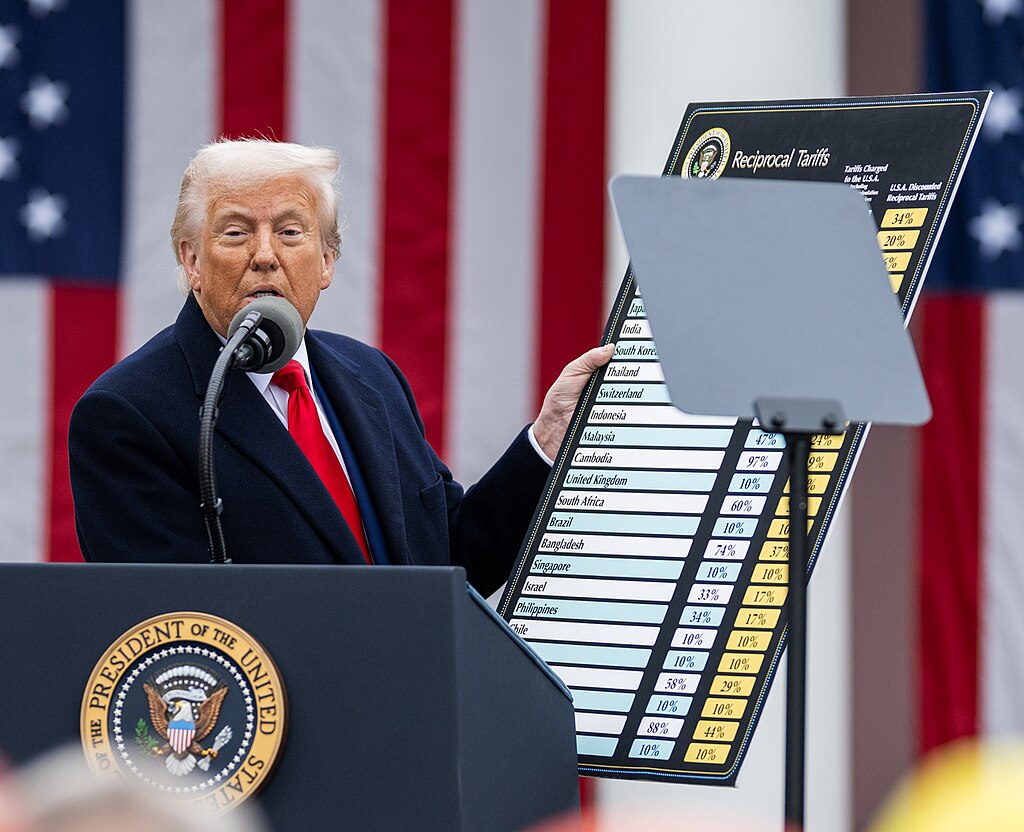
U.S. President Donald Trump revealed Friday that Pakistani officials are heading to Washington next week to discuss a potential trade agreement. The talks come as Pakistan faces up to 29% tariffs on its exports to the U.S., a consequence of a $3 billion trade surplus, following tariff hikes Washington announced last month targeting multiple countries.
Trump, speaking at Joint Base Andrews after a Pennsylvania rally, emphasized that any trade discussions would be off the table if Pakistan and India were to resume military conflict. The two nuclear-armed neighbors recently engaged in their most intense fighting in decades, involving airstrikes, missiles, drones, and artillery over four consecutive days.
“As you know, we’re very close to making a deal with India,” Trump told reporters, noting that he would not pursue talks with either country in the event of further escalation.
India, which currently faces a 26% tariff on exports to the U.S., is actively negotiating its own trade pact. Indian Trade Minister Piyush Goyal recently visited Washington, where both sides advanced discussions on an interim trade deal expected by early July.
In a bid to strengthen its position in the negotiations, India is reportedly preparing to open over $50 billion in public procurement contracts to U.S. companies, primarily involving federal agencies. This potential market access is a key incentive for Washington as it pushes for reciprocal trade terms.
The high-stakes tariff talks underscore the shifting landscape of U.S. trade policy and highlight the geopolitical balancing act between maintaining regional stability and securing economic gains. As both Pakistan and India navigate rising tariffs and trade uncertainties, the outcomes of these upcoming negotiations could have far-reaching consequences for their economic and diplomatic ties with the United States.







