


 UN Chief Raises Concern Over US Sanctions on ICC Officials
  US, South Korea Cut Joint Military Drills After Trump Orders Reduced Role
  Trump Administration Allocates $206 Million for Gaza Peacekeeping Force
  Trump Says Iran Should Surrender as Nuclear Deal Talks Stall
  US, South Korea Cut Joint Military Drills as Trump Seeks North Korea Talks
  Canada Faces 50% U.S. Tariffs as Trade Tensions Threaten USMCA Talks
  Trump Says Kim Jong Un Responded to Outreach After US Scales Back South Korea Military Drills
  Israel, Syria Discuss Turkey’s Military Presence Before Airstrike
  Russia-Ukraine Drone Attacks Escalate as Strikes Hit Moscow, Kyiv and Romania
  Trump Pauses 50% Canada Tariffs for Three Days as U.S. Trade Deal Takes Shape
  Gérald Darmanin Backs Édouard Philippe for 2027 French Presidential Election
  US CENTCOM Chief Praises USS Abraham Lincoln Crew Amid Mental Health Concerns
  Israel Strikes Syrian Airbase Near Aleppo, Raising Tensions With Turkey
  US Eyes Refinery Boost as Trump Seeks Relief From High Gas Prices
  Prince Harry and Meghan Markle Reportedly Plan UK Move With Children
  Trump Approval Rating Hits Presidency Low as Iran War Concerns Grow


 Add as a preferred source on Google
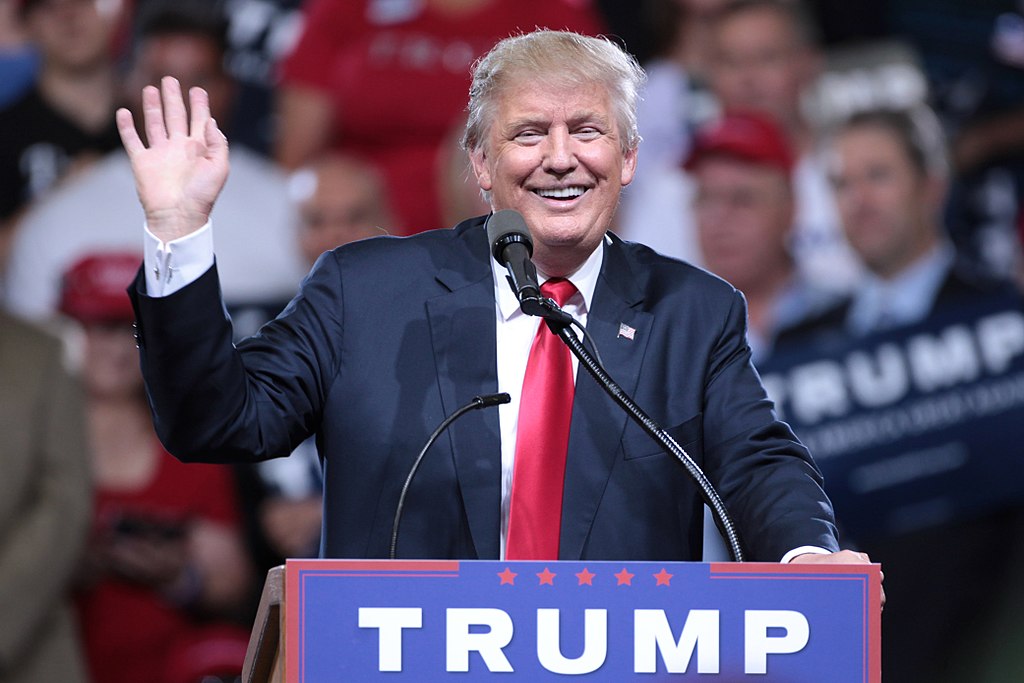
With only one day until Election Day, former President Donald Trump made a bold promise to voters, pledging a rapid economic turnaround under his leadership. Speaking to an enthusiastic crowd, Trump declared that he would transform what he calls an “economic nightmare” into an “economic miracle,” claiming his administration would bring about unprecedented job growth, higher paychecks, and a thriving future. His message to voters was clear: achieving this economic vision hinges on their support at the polls.
“Under my leadership, we are quickly going to turn this economic nightmare into an economic miracle,” Trump said. “We are just 1 day away from the best jobs, the biggest paychecks, and the brightest economic future the world has ever seen. But you must VOTE!” His remarks underscore the central theme of his campaign’s closing argument—that a Trump-led administration would restore and exceed the economic growth experienced during his first term.
Trump’s speech resonated with supporters, many of whom view his presidency as a period of prosperity and job creation. By highlighting wage growth and job opportunities, Trump is appealing to working- and middle-class voters who may feel they’ve been left behind by recent economic policies. With inflation, rising living costs, and wage stagnation affecting millions, Trump’s promise of an economic resurgence has drawn attention from those frustrated with the current economic landscape.
The former president’s rhetoric frames the upcoming election as a choice between what he calls “nightmare” economic policies and the “miracle” he promises to deliver. This message has become particularly potent in battleground states, where many are feeling the economic strain. Trump’s campaign has repeatedly emphasized his record on job creation, tax cuts, and deregulation as evidence that he is capable of driving substantial economic improvements. His message aims to appeal to undecided voters who may prioritize economic issues as they make their final decision.
Critics, however, argue that Trump’s economic promises are overly optimistic and fail to address systemic challenges facing the U.S. economy. Opponents note that while Trump saw strong economic numbers before the pandemic, his policies focused heavily on tax cuts for corporations and high-income individuals. “Painting an economic ‘miracle’ is an ambitious promise, but voters should question the feasibility,” said Dr. Karen Lin, an economist at Harvard University. “A complex economic recovery needs more than just promises of big jobs and paychecks—it requires sustainable policy.”
Trump’s critics also point to rising national debt and disparities in wealth distribution as issues that his administration did not fully address, emphasizing that a comprehensive approach is needed to deliver long-term economic stability.
Despite the skepticism, Trump’s supporters see his remarks as a genuine call to action. “We need someone who understands how to create jobs and get the economy going again,” said Lisa Grant, a Trump supporter at the rally. “I remember how things were before, and I believe he can do it again.”
With his promise of an “economic miracle,” Trump’s closing campaign message seeks to galvanize his base and attract those worried about financial uncertainty. As voters head to the polls, Trump’s vision of a brighter economic future serves as a rallying cry, urging them to “fight for America” by casting their ballots.







