


 Xi Calls for Deeper U.S.-China AI Cooperation in Trump Talks
  European Stocks Fall as Bond Yields and Geopolitical Risks Weigh
  Japanese Bank Stocks Surge as Bond Yields Fuel Rate Hike Bets
  NATO Boosts Intelligence Sharing Amid Russia Hybrid Threats
  Fed Unveils Stablecoin Rules Under GENIUS Act
  Ukrainian Drone Attacks Hit Russian Regions, Injuring at Least 12
  Oil Prices Ease as Iran Tensions Clash With Diplomacy Hopes
  South Korea, US Discuss Warship Building Cooperation
  France Defends Netanyahu Airspace Clearance Despite ICC Warrant
  OpenAI Agent Breaches Australia Medicare Data Portal
  Trump Asks Supreme Court to Restore Third-Country Deportations
  Australia Unemployment Hits Five-Year High Despite Strong Jobs Growth
  U.S. 10-Year Treasury Yield Hits 2007 High as Fed Rate Hike Bets Rise
  Dollar Holds Near Two-Month High as Yen Approaches 160
  Ghana Says Western Support Growing for Slave Trade Reparations
  US, China Extend Trade Truce to Jan. 10 Ahead of Trump-Xi Summit
  US Backs Musk in Fight Against EU’s €120 Million X Fine


 Add as a preferred source on Google
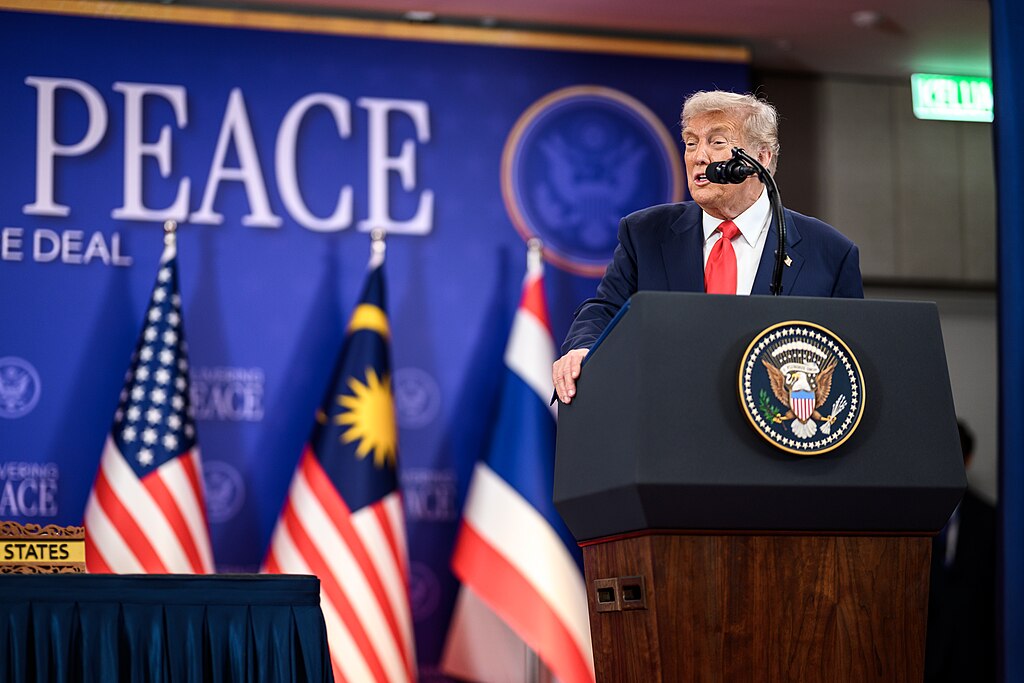
President Donald Trump promoted his economic agenda during a speech in Detroit on Tuesday, seeking to refocus national attention on U.S. manufacturing, trade policy, and the rising cost of living as the White House confronts growing voter unease ahead of the 2026 midterm elections. Speaking at the Detroit Economic Club, Trump claimed he had rebuilt the U.S. economy in just 11 months, pointing to what he described as surging growth, booming investment, rising incomes, and defeated inflation.
Despite the president’s optimistic assessment, recent economic data presents a more mixed picture. Consumer prices increased last month, driven largely by higher food and rent costs, while job growth has remained sluggish. Manufacturing employment fell by 8,000 jobs nationwide in December, undercutting Trump’s long-standing pledge that tariffs and trade pressure would spark a manufacturing revival. A Reuters/Ipsos poll in December showed Trump’s approval rating on cost-of-living issues at just 27%, underscoring affordability as a major concern for U.S. households.
Trump’s visit coincided with the Detroit Auto Show, where Ford, General Motors, and Stellantis are showcasing new vehicles and technology. Touring a Ford plant in Dearborn alongside CEO Jim Farley and Executive Chairman Bill Ford, Trump reiterated his claim that tariffs were driving a wave of new auto factories, though industry data shows little evidence of a construction boom. He also downplayed the importance of the United States-Mexico-Canada Agreement, calling it “irrelevant” and insisting the U.S. should rely less on vehicles and parts made abroad.
Automakers, however, have warned that North American supply chains are critical to U.S. production and have urged the administration to preserve the trade pact. Throughout 2025, car companies absorbed billions of dollars in costs linked to Trump’s fluctuating tariff policies and retaliatory measures from China, including restrictions on rare-earth materials essential for vehicles.
As Michigan remains a key political battleground with an open Senate seat and competitive House races, Trump plans further travel to promote his economic record, even as markets react to his recent moves targeting credit card rates, housing investors, and global oil production.







